


OLCO construct is a leading provider of quality waterproofing solutions, committed to ensuring compliance with industry standards while delivering exceptional performance.
1. What Is AS 3740? Defining Australia's Domestic Wet Area Waterproofing Code
AS 3740 is crucial for professionals in the construction industry, particularly for those dealing with the installation of wet areas such as bathrooms and laundry facilities. This code provides a comprehensive set of guidelines aimed at safeguarding the structural integrity and livability of Australian homes. It serves as the national standard for waterproofing in wet areas and establishes critical regulations that builders, contractors, and homeowners must adhere to. For detailed structural regulations and technical benchmarks, explore our insights on Engineering & Compliance.
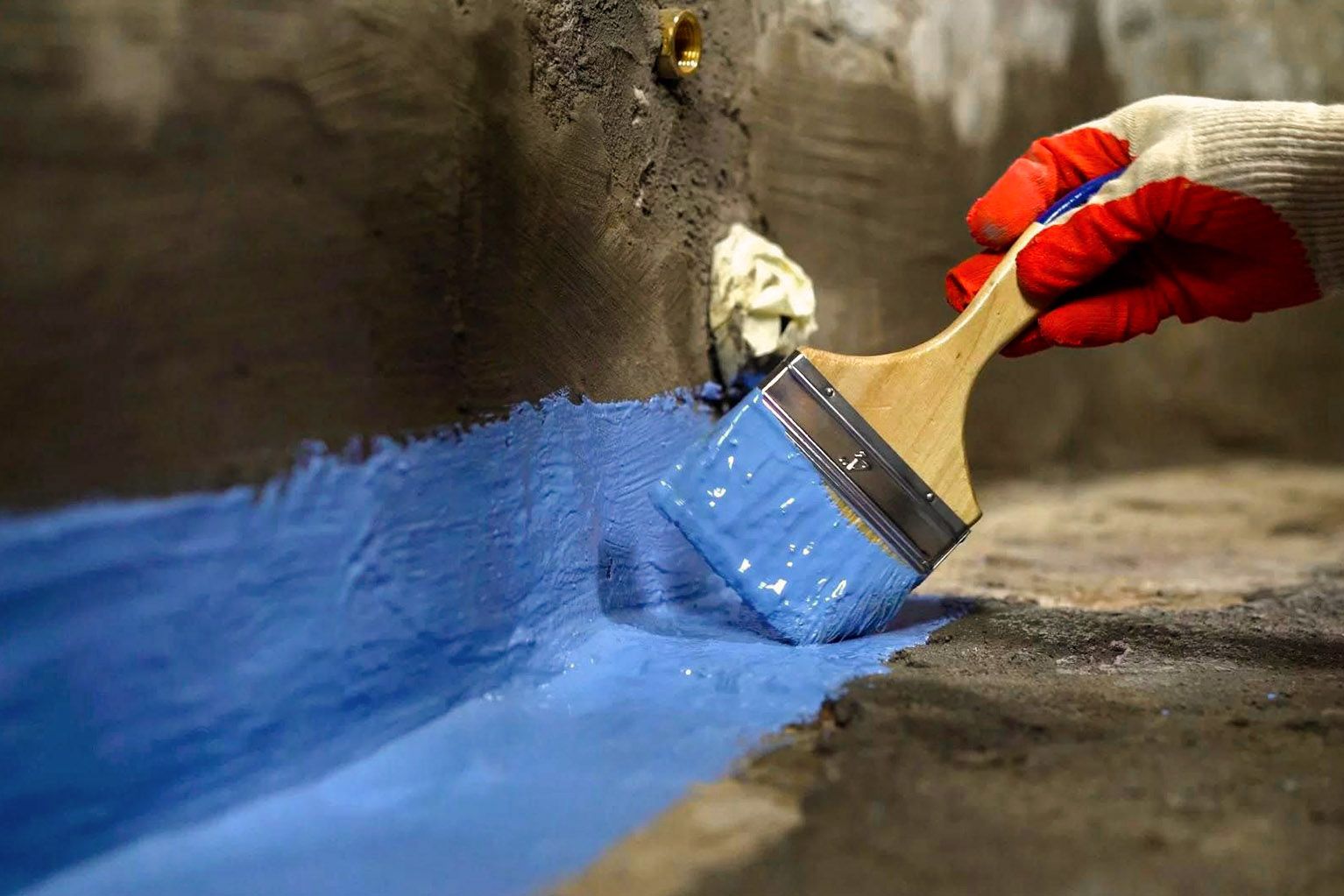
The driving force behind the establishment of AS 3740 was the widespread issues associated with water intrusion and moisture damage in domestic properties. With a clearer regulatory framework, the industry can strive towards higher resilience against leaks, mold growth, and other water-related failures. The code encompasses various aspects of waterproofing, including the choice of materials, installation practices, and maintenance protocols.
In essence, AS 3740 compliance is not merely a checklist but a philosophical approach to preserving the health and safety of building occupants. It emphasizes prevention through systematic assessments and rigorous adherence to best practices, which is where the contributions from businesses like OLCO construction come into play. They understand that integrating the principles outlined in AS 3740 enhances the quality of their OLCO building materials and provides customers with peace of mind.
2. Key Technical Performance Criteria Mandated by AS 3740 Compliance
The technical performance criteria set forth by AS 3740 go beyond basic waterproofing; they focus on durability and adaptability to various environmental conditions. These criteria are integral in evaluating the suitability of materials and systems used in wet areas. When adhering to these regulations, builders ensure a robust defense against potential water entry and damage.

The adherence to these performance standards provides a comprehensive framework that not only protects the building but also enhances customer satisfaction in the long run. Thus, these guidelines influence the decision-making processes of designers, builders, and contractors involved in wet area construction projects.
2.1 Elongation Properties and Crack-Bridging Capability Analysis
AS 3740 stipulates that materials must demonstrate adequate elongation properties for effective performance. This means the product can stretch without breaking, which is essential in preventing fissures that may allow moisture to penetrate. For example, a material with good elongation can adapt to small structural movements better than one that is rigid.
Crack-bridging capability is another critical performance metric encompassing the membrane's ability to bridge pre-existing cracks in the substrate. A well-designed waterproofing membrane will ensure that even in the presence of hairline fractures, water cannot infiltrate the underlying structure. The utilization of OLCO quality control procedures ensures that their products meet or exceed these performance criteria. With an efficient inspection process in place, they can assure customers of outstanding performance in real-world applications.
2.2 Mandatory Height Vertical Terminations for Shower Walls and Penetrations
Height vertical terminations are pivotal in the context of AS 3740, especially regarding shower walls and penetrations. These regulations dictate that membranes should extend to certain points above the shower floor and encircle all plumbing fittings. Such specifications prevent overland water flow and potential infiltration through joints and penetrations, which are often weak points.
The height requirements vary based on design considerations, but generally require that the membrane be installed to at least the top edge of the wall tiles or further up, depending on the shower setup. Properly executed installations result in a more robust defense against water damage, thereby enhancing the longevity of the wet area. OLCO plumbing and sanitary installations ensure that these requirements are met through attention to detail and skilled craftsmanship. Their team understands the complexities of navigating these compliance stipulations while ensuring functional and aesthetic quality. Explore our range of compliant tiles and flooring tailored for high-performance wet area applications.
3. The Vital Necessity of Pre-Installation Material Inspections
Prior to commencing any wet area installation, pre-installation material inspections play a crucial role in ensuring overall system efficacy. This step is vital for identifying potential issues before the project begins, thus minimizing risks and enhancing compliance with AS 3740 standards.
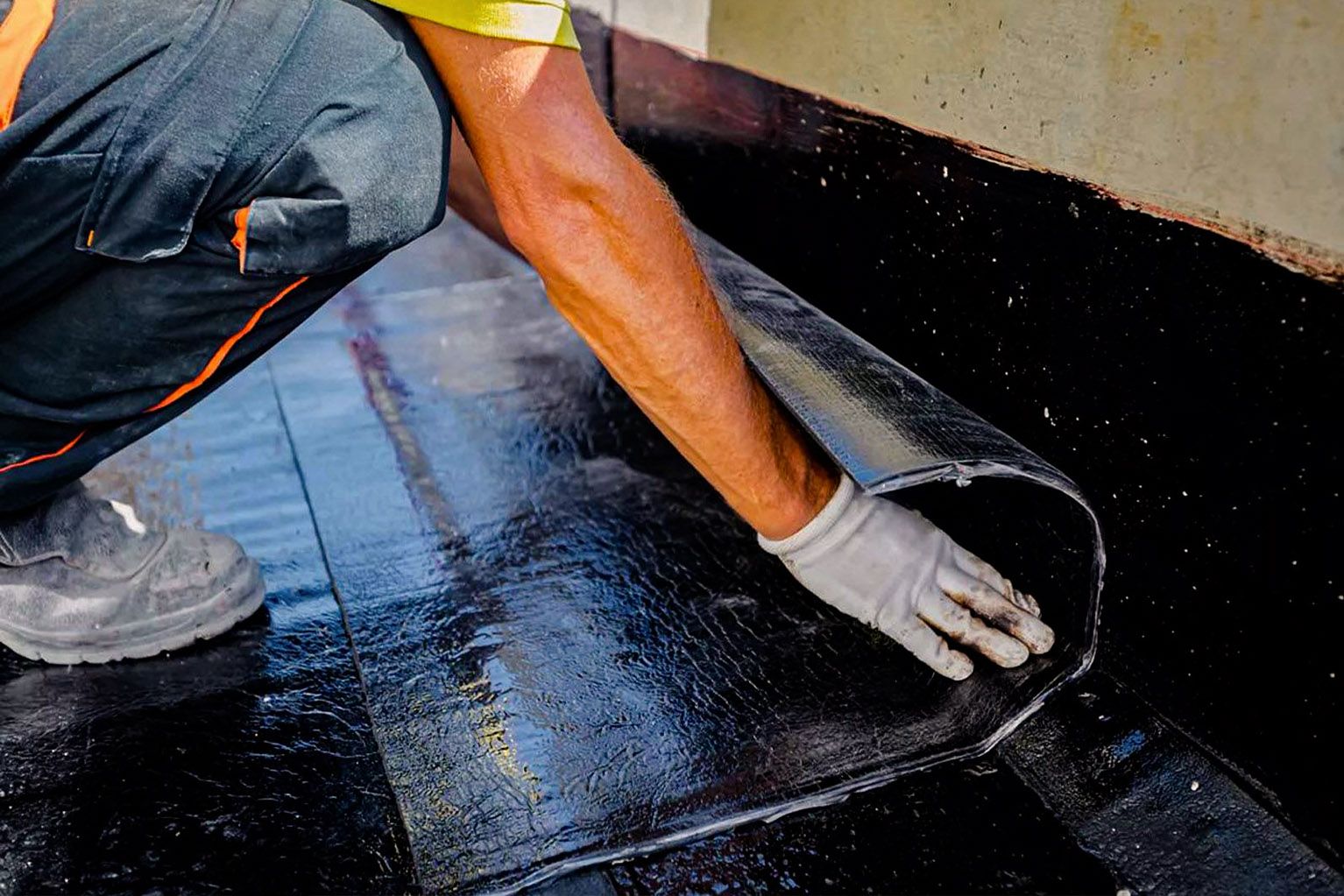
Thorough inspections conducted by professionals instill confidence and encourage proactive measures against waterproofing failures, ultimately protecting both the client and the builder. Additionally, adhering to these practices not only fulfills compliance requirements but also sets the stage for successful overall project outcomes.
3.1 Verifying Substrate and Flange Compatibility for Sanitary Assemblies
Verifying the compatibility of substrates and flanges with the proposed waterproofing systems is an essential quality control measure. The substrate material directly influences the performance of waterproofing membranes; therefore, it must be appropriate for this application. For instance, uneven surfaces can hinder effective adhesion and result in water seepage. Flanges, on the other hand, need to be braced in such a manner that allows the waterproofing layers to integrate seamlessly. OLCO construct recognizes these compatibility issues and emphasizes the importance of rigorous inspections prior to any project commencement.
By prioritizing these assessments, OLCO construction ensures that both the substrate materials and flange systems employed are ideal for long-lasting waterproofing solutions.
3.2 Pre-Mixing Quality Audits to Prevent Batch Defect Risks
The quality of waterproofing materials is intricately tied to the mixing process in the factory. To ensure that the products used in wet area installations are up to the AS 3740 compliance, pre-mixing quality audits are a non-negotiable aspect of the OLCO quality control process. Quality audits assess not just the composition but also the mixing methodologies employed by the manufacturers. By ensuring consistent batch quality, OLCO minimizes the likelihood of encountering defects related to poor formulation or inadequate mixing.
These precautions significantly reduce the risk of applying compromised materials, which can lead to devastating consequences if undetected during or after wet area installation. Hence, embracing a thorough pre-mixing audit process fortifies the integrity of waterproofing projects.
4. Performance Matrix: AS 3740 Certified OLCO Systems vs. Generic Membranes
When comparing AS 3740 certified OLCO systems to generic membranes, it becomes clear that there are key differences in performance metrics that justify the distinction. Evaluating various products through a rigorous performance matrix allows builders to make informed decisions about their waterproofing solutions. The performance metrics evaluated include elongation at break, hydrostatic pressure resistance, chemical aging durability, and certifier approval rates. These metrics empower architects and contractors to assess product longevity and reliability in wet areas.
Evaluation Metrics | Low-Grade Acrylic Membranes | Unverified Self-Declared Coatings | AS 3740 Certified OLCO Waterproofing Systems |
| Elongation at Break | Limited flexibility, more prone to cracking under structural movement. | Performance is inconsistent and often unsupported by testing. | High flexibility designed to accommodate substrate movement. |
| Hydrostatic Pressure Resistance | Basic resistance suitable for light-duty applications only. | Performance may vary due to lack of independent verification. | High water-pressure resistance validated through certified testing. |
| Chemical Aging Durability | May degrade more quickly when exposed to cleaning chemicals and moisture. | Long-term durability is uncertain due to limited quality assurance. | Designed for long-term resistance against moisture and common household chemicals. |
| AS 3740 Compliance | May not fully satisfy AS 3740 requirements. | Compliance is often unsupported by verified documentation. | Tested and certified to comply with AS 3740 waterproofing standards. |
| Certifier Approval Rate | Approval may require additional verification. | Higher risk of rejection because of insufficient documentation. | Supported by comprehensive certification documents, reducing approval risk. |
| Quality Documentation | Basic product information available. | Documentation may be incomplete or unavailable. | Comprehensive testing reports and certification records provided. |
| Long-Term Reliability | Suitable for basic applications but with limited service life. | Performance can vary significantly between suppliers. | Engineered for long-term waterproofing performance in demanding wet-area environments. |
| Recommended Applications | Small residential projects with basic waterproofing requirements. | Budget-sensitive projects with lower compliance requirements. | Residential and commercial wet areas requiring certified waterproofing performance. |
5. Factory Quality Control and On-Site Inspection Protocols
Quality control extends beyond the manufacturing phase and into on-site inspections. To safeguard the integrity of installations, rigorous protocols must be in place. This multilayered approach to quality assurance underscores the importance of vigilance in both manufacturing and application stages.
Ensuring that standards are upheld throughout the entirety of the construction process not only mitigates risks but also fosters a culture of accountability among builders and contractors. By aligning with AS 3740 compliance through strategic quality control measures, builders can elevate the construction process and enhance the quality of the final product.
5.1 Multi-Axis Hydrostatic Pressure and Thermal Shock Laboratory Testing
At the core of any robust quality control system are rigorous testing protocols. Multi-axis hydrostatic pressure testing simulates various loading conditions that a waterproofing system may face over time, providing a realistic evaluation of its performance. This intensive testing process allows manufacturers to ascertain whether their products can withstand significant pressure without compromising integrity.
Thermal shock testing further complements the performance analysis, evaluating how materials respond to extreme temperature fluctuations. This is particularly important in regions known for considerable thermal variations, making it imperative for products to maintain their performance under diverse conditions. By integrating such comprehensive testing protocols into their OLCO inspection team’s practices, manufacturers can confidently provide products that exceed AS 3740 standards and enhance waterproofing efficiency.
5.2 On-Site Compliance Verification by Professional Auditing Teams
Once products are delivered and installed, it becomes necessary to ensure that the installation process adheres to the industry’s best practices. On-site compliance verification serves as a safeguard to confirm that all elements of the waterproofing system are implemented correctly.
Professional auditing teams play a significant role in this phase, performing detailed inspections of the installation processes. Their expertise allows them to identify inconsistencies and validate compliance with AS 3740 standards. This level of scrutiny not only enhances the likelihood of achieving long-lasting waterproofing outcomes but also instills confidence in builders and clients alike. By prioritizing on-site compliance, OLCO plumbing and sanitary teams enhance the overall quality and sustainability of wet area installations, ensuring that the clients have invested in a resilient solution.
>> See more: Streamlining Commercial Builds with Certified OLCO Construction Materials
6. Frequently Asked Questions Regarding AS 3740 Wet Area Protocols (FAQ)
Frequently asked questions regarding AS 3740 and wet area protocols shed light on common concerns and misconceptions that arise in the building and construction community. Addressing these questions is vital for fostering understanding and confidence in waterproofing practices.
How do builders verify that liquid membranes satisfy AS 3740 compliance before commencing wet area installation?
Builders have a responsibility to verify the compliance of liquid membranes with AS 3740 standards prior to commencing any installation in wet areas. This process typically involves assessing certification documents provided by manufacturers, which demonstrate that products have undergone rigorous testing essential for compliance. Builders must also ensure that they are sourcing their materials from reputable suppliers. Through reputable channels, they can gain access to detailed information on the testing and certification process each product has undergone to guarantee its appropriateness for their intended application. By ensuring compliance before installation, builders minimize the risks associated with water damage and safeguard the long-term integrity of their construction projects. This diligence ultimately protects not only the structural framework but also the quality of living within the property.
What role does the OLCO inspection team play in guaranteeing long-term bathroom waterproofing performance?
The OLCO inspection team serves as a cornerstone of quality assurance in the waterproofing process. Their expertise covers all stages from material selection and application techniques to ongoing assessments of installed systems. This comprehensive oversight ensures that installations remain aligned with AS 3740 standards. By conducting rigorous inspections both before and after installation, the team is adept at identifying potential failures or deficiencies. This proactive approach significantly reduces the likelihood of costly reparations caused by assessable water damage. Ultimately, the role of the OLCO inspection team is to instill confidence in builders and homeowners alike, promoting effective bathroom waterproofing solutions that stand the test of time.
How do OLCO plumbing and sanitary fixtures integrate with OLCO building materials to pass certifier inspections?
The integration of OLCO plumbing and sanitary fixtures with OLCO building materials is a prime example of how comprehensive planning leads to successful compliance with certifier inspections. When these components are designed to work cohesively, the overall system achieves lower failure rates and enhanced performance over time. By using materials that are specifically rated for compatibility, builders can ensure that all products perform cohesively under the stressful conditions often found in wet areas. This compatibility facilitates smoother installation processes and substantially enhances the likelihood of adhering to compliance standards during inspections. This synergy ultimately benefits the end consumer by providing a waterproofing solution that works effectively, reduces risks, and ensures longevity, all of which are stipulated within AS 3740 requirements.
7. Conclusion
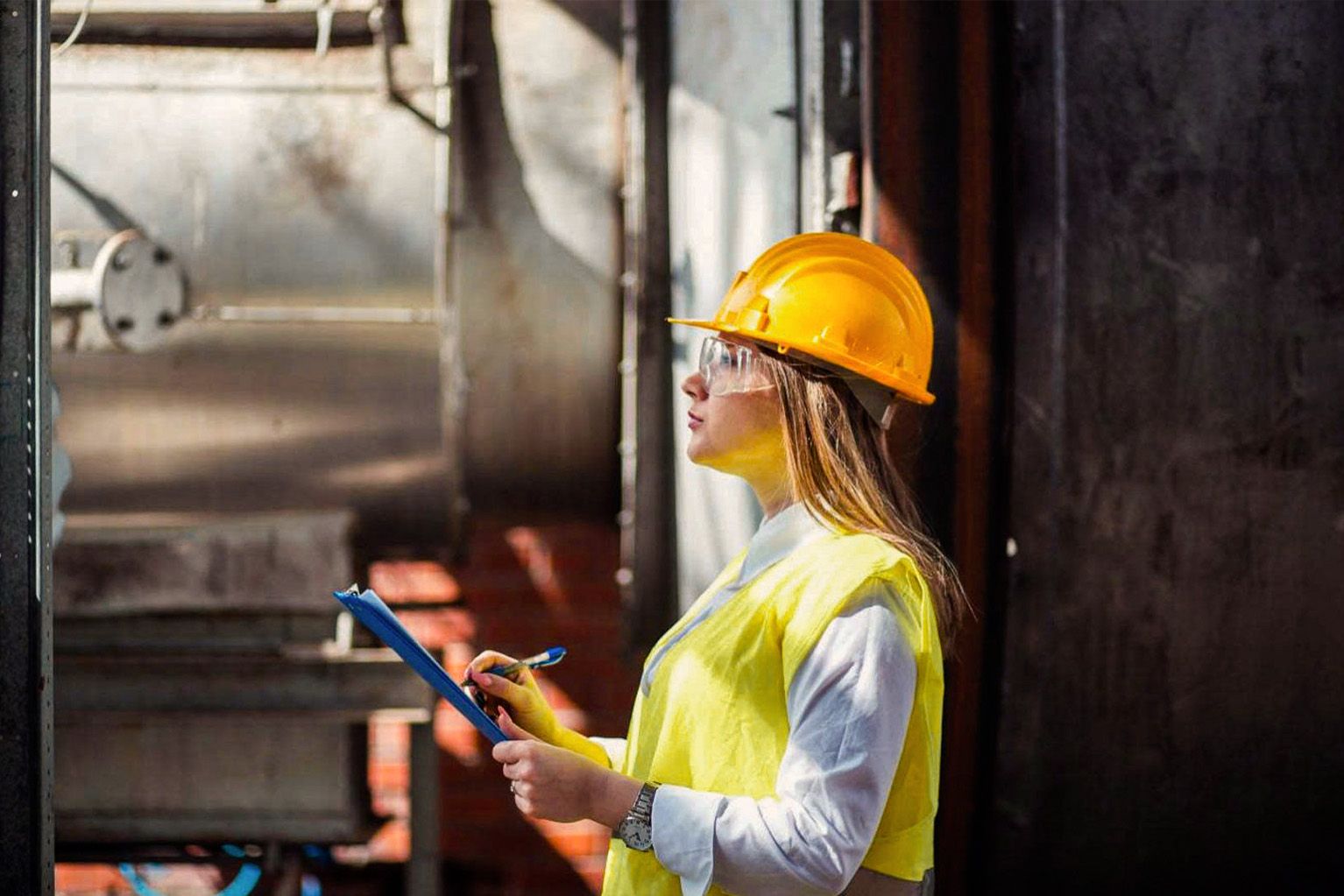
In conclusion, understanding and implementing AS 3740 waterproofing standards is crucial for ensuring quality and durability in wet area installations. The necessity of thorough product inspections cannot be overstated, as they form the backbone of compliance and effective waterproofing solutions. For project-specific advice, Contact industry leaders like OLCO construct, where our team is committed to rigorous quality control processes so substantial attention can be directed toward safeguarding homes from water intrusion damage. The comprehensive testing, inspections, and adherence to compliance set a standard that not only protects structures but also enhances the overall experience for property owners. In pursuing excellence in waterproofing, both builders and consumers stand to gain from the structured approach outlined within AS 3740, ultimately leading to safer and more sustainable living environments.

 Read more