


In the ever-changing landscape of construction, understanding how to navigate fluctuating prices is crucial for builders. Employing strategies such as those offered by OLCO construction can help streamline procurement and lock in essential materials at fixed prices.
1. Challenges of Fluctuating Construction Material Prices in Long-Term Projects
The construction industry is frequently impacted by unpredictable swings in material costs. These fluctuations can take a toll on project budgets, timelines, and overall financial viability.

The dynamic nature of the construction market is driven by various factors, including supply chain constraints and shifting consumer demand. High demand for certain materials often leads to price hikes, which becomes galling for builders engaged in long-term projects. Builders need to establish strategies to mitigate these risks to ensure project profitability.
Additionally, the rapid growth in the real estate sector has made construction materials scarcer. As more projects come online, suppliers can easily take advantage of demand surges. Consequently, builders must remain vigilant about market trends and establish long-term relationships with suppliers to ensure consistent material availability at lower prices. To counter these challenges, utilizing OLCO construction’s services can prove advantageous. By establishing relationships with reliable suppliers that are capable of providing OLCO construction materials directly from the factory, builders can mitigate risks associated with price fluctuations. This can involve setting up bulk ordering agreements that secure fixed pricing and long-term availability for essential materials.
2. Financial Mechanics of Locking In Material Prices via Bulk Ordering Protocols
2.1 Strategic Bulk Ordering Frameworks for 1-Year Developments
Navigating the financial mechanics of a construction project can be complex, particularly when it comes to budgeting. To lock in prices, builders can consider implementing a bulk ordering construction strategy. This entails ordering large quantities of materials upfront to ensure locked pricing for a defined period.
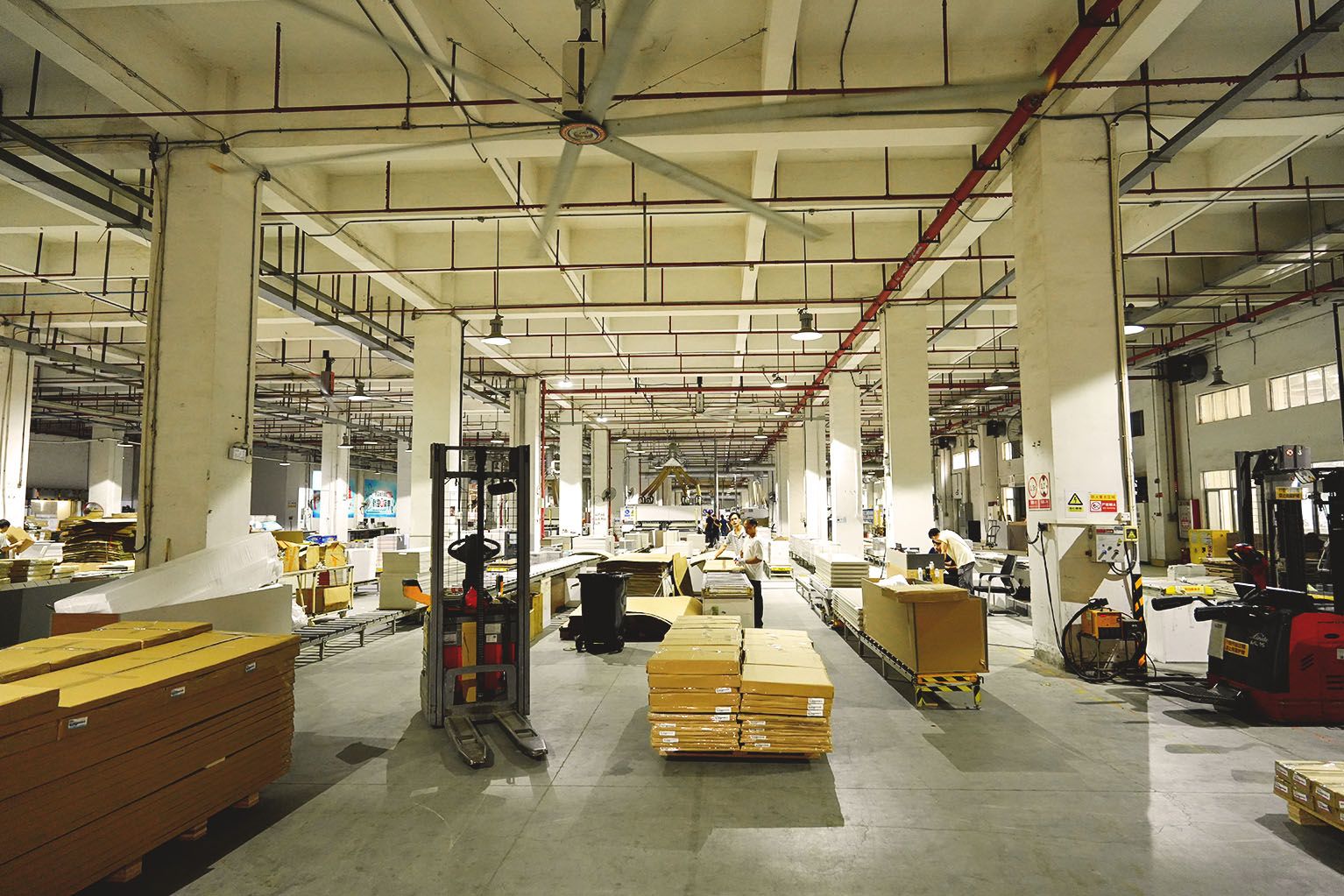
Such a strategy not only helps in controlling costs but also allows builders to streamline their procurement processes, thereby enhancing efficiency. Choosing OLCO building materials can also contribute to significant cost savings on long-term projects, as pre-negotiated agreements can exclude unpredictable price surges. Moreover, using tailored financing solutions, builders can create budgets that encompass both material costs and labor expenses. By anticipating these costs in advance, teams can allocate resources more effectively, ensuring project deadlines are met without overspending.
2.2 Margin Protection via Direct Factory Supply Agreements
Engaging in direct factory supply contracts for core materials such as structural steel can further reinforce budgetary discipline. By leveraging relationships with OLCO factory direct suppliers, builders gain access to competitive pricing structures that safeguard against inflation.
Such contractual agreements can cover the duration of projects, allowing builders to maintain stable margins. Additionally, this approach can alleviate reliance on spot-market procurement, which often comes with unpredictable pricing and potential supplier markups that can threaten project profitability. Employing this strategy not only fosters a healthier financial forecast but promotes a more proactive approach to construction management that focuses on safeguarding project margins and timelines.
3. Fixed-Price Contractual Structure and Staggered Warehousing Logistics
3.1 Structuring Fixed-Price Supply Contracts to Eliminate Price Slippage
Building a solid foundation for large-scale construction projects involves structuring fixed-price contracts carefully. By negotiating fixed-price terms with suppliers, builders can eliminate the threat of price slippage during the course of a project.

OLCO construction advocates for comprehensive contracts that outline clear terms for pricing and delivery timelines. This guarantees that builders have a predictable cost baseline, allowing them to manage cash flow and set a clear financial agenda throughout project execution. Additionally, the adoption of technology in drafting and managing these contracts can streamline communication and provide a clear audit trail. Builders need a robust system that monitors contract compliance while anticipating potential bottlenecks that may arise in the supply chain.
3.2 Off-Site Warehousing and Just-In-Time Site Delivery Protocols
Staggered warehousing logistics play a pivotal role in balancing cost with material availability. Utilizing off-site warehouses allows builders to keep construction projects running smoothly without overstocking materials at the job site, which can lead to space constraints and added costs.
Just-In-Time (JIT) delivery protocols ensure that materials arrive when needed, reducing waste and optimizing cash flow. By implementing such strategies, builders relying on OLCO construction materials can take advantage of stockpiling essentials while making sure they meet delivery milestones efficiently. This combination of fixed-price contracts and intelligent warehousing practices positions builders to better cope with external market pressures, ensuring a seamless project execution experience.
>> See more: How a Direct Supply Chain Model with OLCO Building Materials Secures Project Timelines
4. Performance Matrix: Fixed-Price Factory Direct vs. Spot-Market Procurement
In comparing procurement strategies, performance matrices help determine the most effective approach to material acquisition. By valorizing fixed-price factory-direct agreements over sporadic spot-market purchases, builders can evaluate the inherent benefits of such practices.
Evaluation Metric | Spot-Market Procurement | Fixed-Price Factory-Direct (OLCO) |
| Inflation Price-Surge Exposure | High exposure to market price fluctuations and inflation. | Lower exposure through fixed-price agreements that provide pricing stability. |
| Procurement Cost Savings | Limited savings due to fluctuating market prices and intermediary costs. | Greater cost savings through factory-direct sourcing and negotiated pricing. |
| Cash Flow Predictability | Less predictable budgeting because material costs can change during the project. | More predictable cash flow with stable pricing throughout the project lifecycle. |
| Jobsite Storage Footprint | Larger on-site storage requirements due to irregular purchasing and delivery schedules. | Reduced storage needs through scheduled deliveries and off-site inventory management. |
| Supply Stability | Material availability depends on market conditions and supplier inventory. | Stable supply supported by long-term procurement planning and factory coordination. |
| Project Cost Control | Budget is more vulnerable to unexpected cost increases. | Better cost control through long-term pricing agreements and procurement planning. |
| Project Efficiency | Procurement disruptions may negatively affect project progress. | Streamlined procurement improves scheduling, coordination, and overall project efficiency. |
5. A 4-step process for purchasing directly from the factory for 12 month projects
5.1 Volume Take-Off Audit and 12-Month Delivery Timeline Mapping
A comprehensive approach to bulk ordering construction begins with an accurate volume take-off audit. During this phase, builders determine the material quantity needed during the project's lifecycle.
This meticulous auditing process also includes crafting a detailed delivery timeline, ensuring that materials arrive when required. By methodically aligning procurement schedules with project milestones, builders can avoid delays that often derail construction timelines.
Moreover, ensuring transparency throughout the audit process fortifies the purchasing framework. Communication with suppliers regarding anticipated project requirements can help sync external resources with an organization’s needs.
5.2 Contract Execution, Batch Manufacturing, and Staged Off-Site Storage
After outlining the material requirements, the next step involves executing contracts with suppliers. Builders can leverage pre-negotiated agreements with OLCO factory direct to facilitate smooth contract execution, emphasizing the importance of clear terms and expectations.
Through batch manufacturing agreements, suppliers can ensure timely deliveries, mitigated from unexpected delays. Additionally, utilizing staged off-site storage arrangements allows materials to be stored under optimal conditions, preserving quality and accessibility. These steps collectively contribute to a streamlined procurement process that not only enhances project flow but also reassures builders of their budgetary forecasts.
6. Frequently Asked Questions Regarding Long-Term Price Lock Protocols (FAQ)
How do commercial builders lock in material prices for 12 month project procurement cycles?
Commercial builders often resort to establishing bulk purchasing agreements with suppliers to secure fixed material prices. By anticipating their material needs and negotiating contracts upfront, builders can effectively mitigate the risks posed by fluctuating market prices throughout the project's duration. Additionally, leveraging strategic relationships with OLCO construction materials enables builders to ensure that material standards are consistently met, further enriching their procurement strategy.
What role does OLCO factory direct play in securing fixed-price contracts in construction?
OLCO factory direct acts as an intermediary between builders and the manufacturers, offering competitive pricing structures that allow builders to lock in material prices effectively. By fostering these relationships, builders can enjoy the benefits of direct supply chains that circumvent additional markups commonly seen within intermediary distributor channels. Moreover, dealing directly with manufacturers provides insights and access to various material choices, enriching the overall project experience.
How does OLCO construction manage off-site warehousing for bulk ordering construction contracts?
OLCO construction utilizes state-of-the-art logistics and inventory management systems that cater specifically to large-scale projects. By enabling off-site warehousing, builders can keep their job sites organized and efficient, ensuring they have the right materials on hand without the constraints of excessive onsite storage. Managing these logistics helps builders optimize their procurement processes, enabling on-time project fulfillment while reducing associated costs.
7. Conclusion
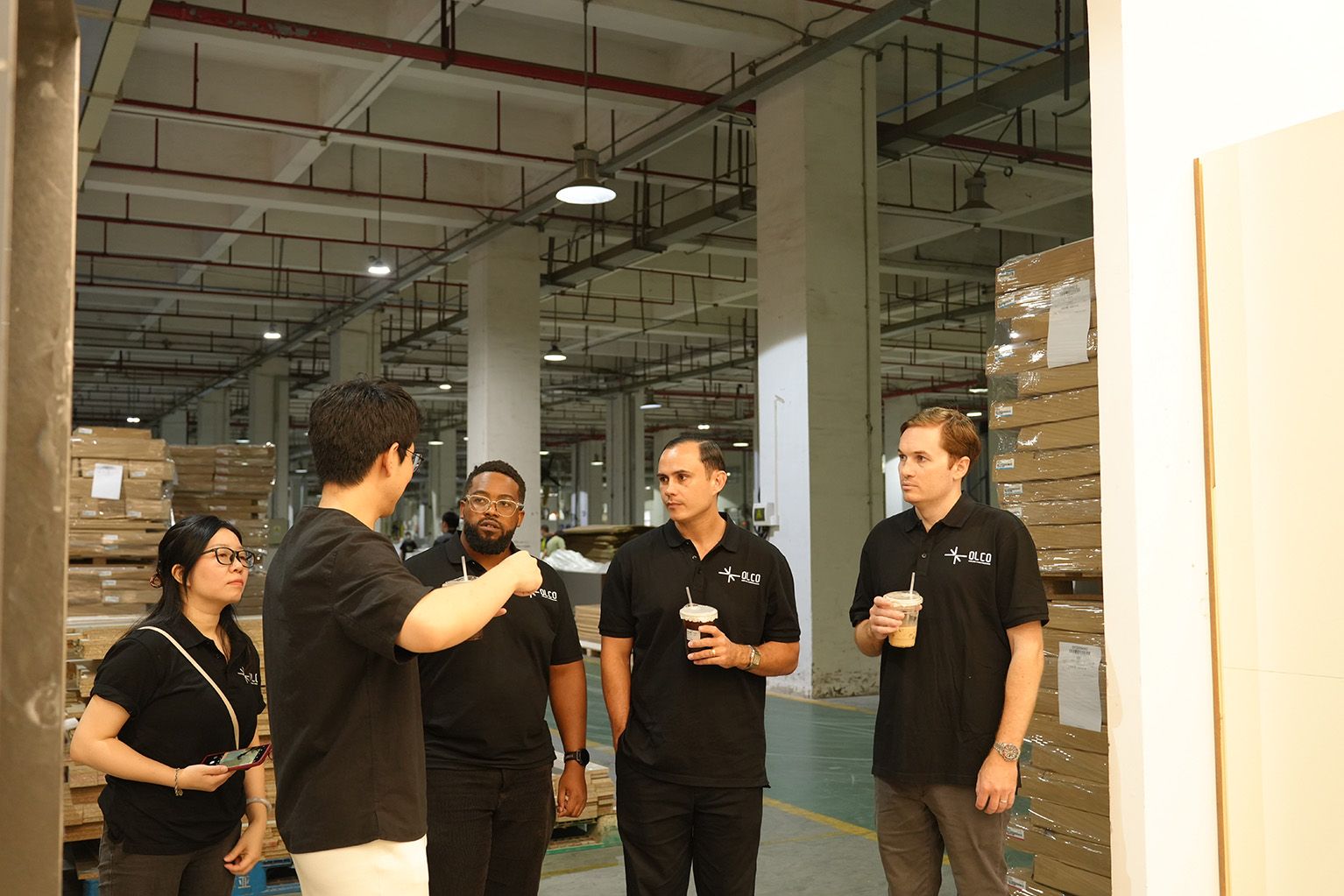
In conclusion, as construction material prices fluctuate unpredictably, employing strategic approaches to procurement can help builders secure their projects successfully. By utilizing OLCO construction strategies that center around fixed-price contracts (fixed price contracts construction), bulk ordering protocols (bulk ordering construction), and smart warehousing logistics across commercial building supply portfolios, builders can effectively lock in material prices (lock in material prices) for 12 month project procurement cycles. Navigating this landscape requires a thorough understanding of market dynamics, but with the right resources and strategies from certified OLCO building materials, builders can enhance cost predictability and operational efficiency, bringing their developments to successful fruition. For deeper insights into managing budgets and maximizing ROI, explore our complete guide on Project Cost Optimization.



 Read more