


Choosing the right construction strategy is pivotal in today's fast-paced commercial environment. The significance of OLCO construct emerges in this milieu as a key player in the realm of pre-assembled fit-outs, providing solutions that streamline operations while saving valuable time and costs.
1. The Heavy Burden of On-Site Assembly in Commercial Projects
In the construction industry, on-site assembly has traditionally posed a hefty burden. A substantial part of the project cycle involves logistical coordination and labor management, which can escalate costs exponentially. Recognizing the added complexities of labor-driven assembly, many project managers have turned to factory-based solutions that ease these challenges.

Labor costs, often seen as an unavoidable expense, can balloon when dealing with unexpected delays or material shortages on-site. A survey by construction industry analysts suggests that over 30% of a project's budget may go towards unplanned labor hours. Such inefficiencies arise predominantly during the assembly stages, where every minute spent can impact overall project timelines. A proactive change towards pre-assembled interior fit-outs invites a new paradigm. Performed primarily in controlled factory settings, these systems permit superior precision and quality control that directly alleviates on-site pressures. By reducing the dependency on manual labor during fit-out phases, companies are better equipped to meet deadlines and expectations.
1.1 The Hidden Costs of On-Site Construction
One of the most concerning aspects of conventional on-site construction is the risk of hidden costs. These expenses often manifest through unforeseen obstacles, such as weather delays, labor shortages, or miscommunication among trades. Each of these elements can lead to inflated project bills that might have been avoided with a more efficient assembly method.
With OLCO construction, the timeline and budget can be accurately forecasted before any physical labor occurs. This allows for a more transparent budgeting process, where stakeholders can assess the actual investment required for each phase, thus making more informed financial decisions.
1.2 The Labor Motivation: Retrofitting Skills Gaps
As the construction industry evolves, a significant skills gap has emerged among laborers. The need for individuals equipped with technical expertise to manage intricate builds increases, creating a dependency on specialized roles. This scenario can lead to escalated wages and competition for skilled professionals, ultimately driving labor costs skyward. Employing pre-assembled solutions considerably diminishes the reliance on high-skill labor on-site. With most fitting components crafted in a factory, the level of expertise required on-site is drastically reduced. This shift allows for a broader labor pool, facilitating project delivery at a lower cost and reducing delays tied to specialized workforce availability.
2. Sourcing Battles: Flat Pack vs. Pre-Assembled Configurations
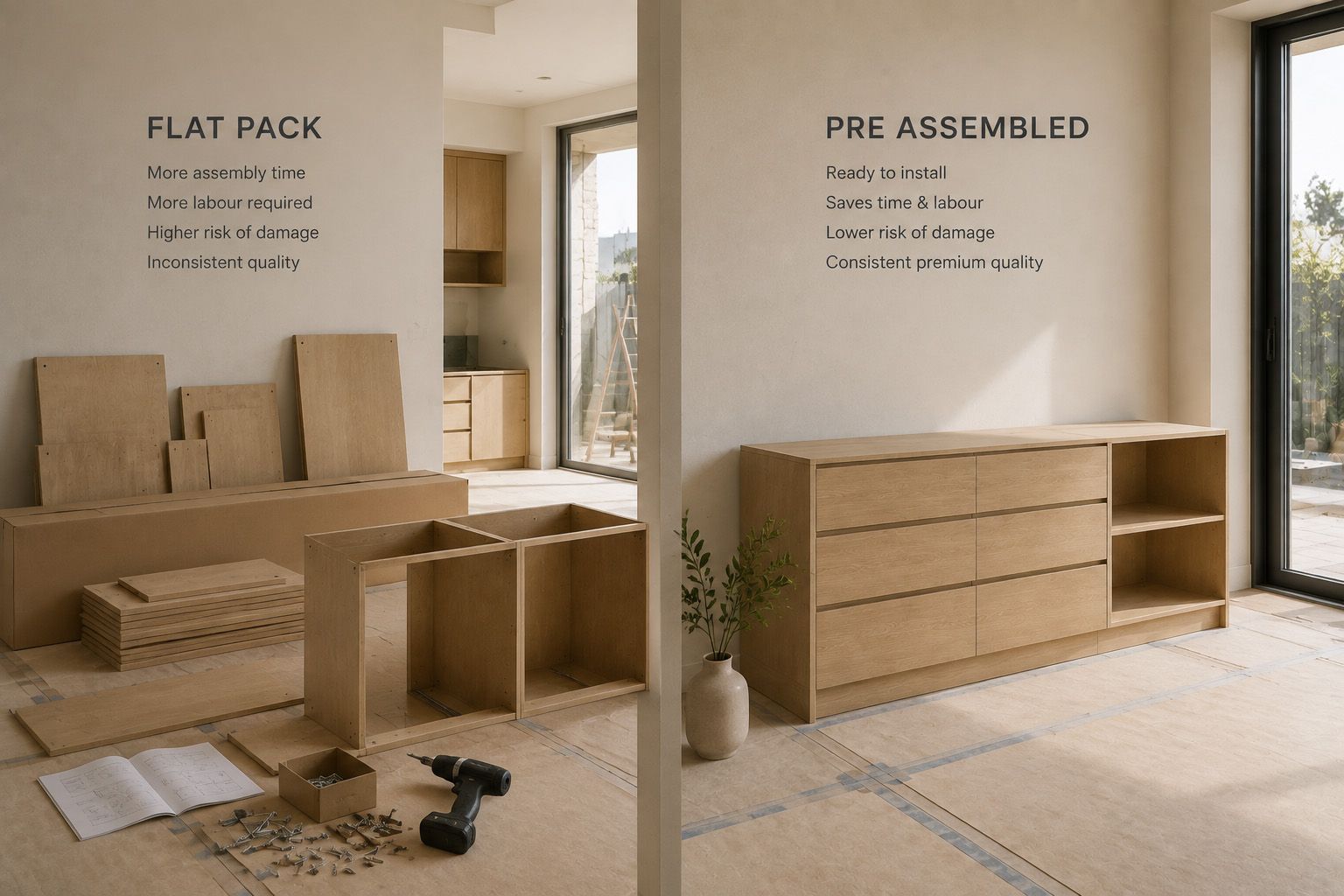
When considering fit-out options, the choice between flat pack vs pre assembled configurations is crucial. Both have their merits, yet the implications of each extend beyond mere price tags. Understanding these differences can offer invaluable insights into how a project will unfold.
2.1 Analyzing the Trade-offs
Flat-pack systems often lure project managers with initial cost advantages. They are typically lower in price and offer ease of transportation. However, the enticing façade of low initial expense belies the potential hazards of increased labor input and logistical nightmares on-site.
With flat-pack systems, each package's components need to be manually assembled, extending labor hours and increasing the likelihood of errors. By contrast, pre-assembled systems arrive ready to install, significantly reducing the complexity of on-site work. This method can yield substantial savings by compressing timelines and focusing operations rather than sidestepping unexpected costs associated with labor-intensive builds.
2.2 The Structural Supremacy of Pre-Assembled Systems
Beyond labor savings, one must consider the quality assurance brought by pre-assembled systems. Under controlled factory conditions, products undergo rigorous quality checks, ensuring they adhere to durability and safety standards. This level of scrutiny rarely replicates in on-site environments.
Integrating OLCO building materials into pre-assembled solutions further emphasizes the superior structural integrity of these systems. High-quality components work collectively to provide a comprehensive fitting framework, resulting in fewer callbacks and warranty claims. Consequently, focusing on assembly quality from the origin reinforces project reliability from the outset.
3. Installation Efficiency Matrix: Assembly Method Comparisons
An analytical approach to evaluating assembly methods necessitates establishing a set of metrics that encapsulates efficiency, cost-effectiveness, and quality.
3.1 Comparing Key Metrics: Siting Hours per Module, Crew Size Requirements, On-Site Waste Percentage, and Connection Durability
One leading metric is the average siting hours per module. Traditional on-site assembly often requires extensive hours due to individual component installations. Conversely, employing pre-assembled interiors drastically reduces siting times since the bulk of assembly work is previously accomplished in the factory. Moreover, the crew size necessary for installation plays a pivotal role in determining costs. Standard flat-pack systems usually require larger teams to manage the complexity of construction. In contrast, OLCO construction’s pre-assembled modules allow for streamlined installations often managed by smaller teams, enhancing productivity and further cutting labor costs. To optimize your installation timelines and explore modular options for your project, please Contact our technical specialists today
Lastly, analyzing the waste percentage on-site can illuminate an often-overlooked aspect of costs. With flat-pack systems, the potential for excess material cuts and mishaps is high, leading to unnecessary waste. Pre-assembled alternatives entail factory production efficiencies that minimize waste generation, delivering a cleaner, greener process to installations.
3.2 Sourcing Channels Evaluated
When evaluating sourcing options, not all suppliers are created equal. Understanding the available channels leads to informed decision-making. Standard retail flat-packs are widespread but often substitute quality for cost. Loose lumber carpentry may offer customization but typically fails to deliver efficiency. High-performance OLCO construction frameworks, on the other hand, provide a compelling mix of quality, efficiency, and cost control.
4. Sourcing Factory-Direct Fit-Out Modules to Protect Project Budgets
When project managers consider the critical stages of sourcing, the shift towards factory direct options like those provided by OLCO comes with multifaceted advantages.
4.1 Direct-from-Source Logistics
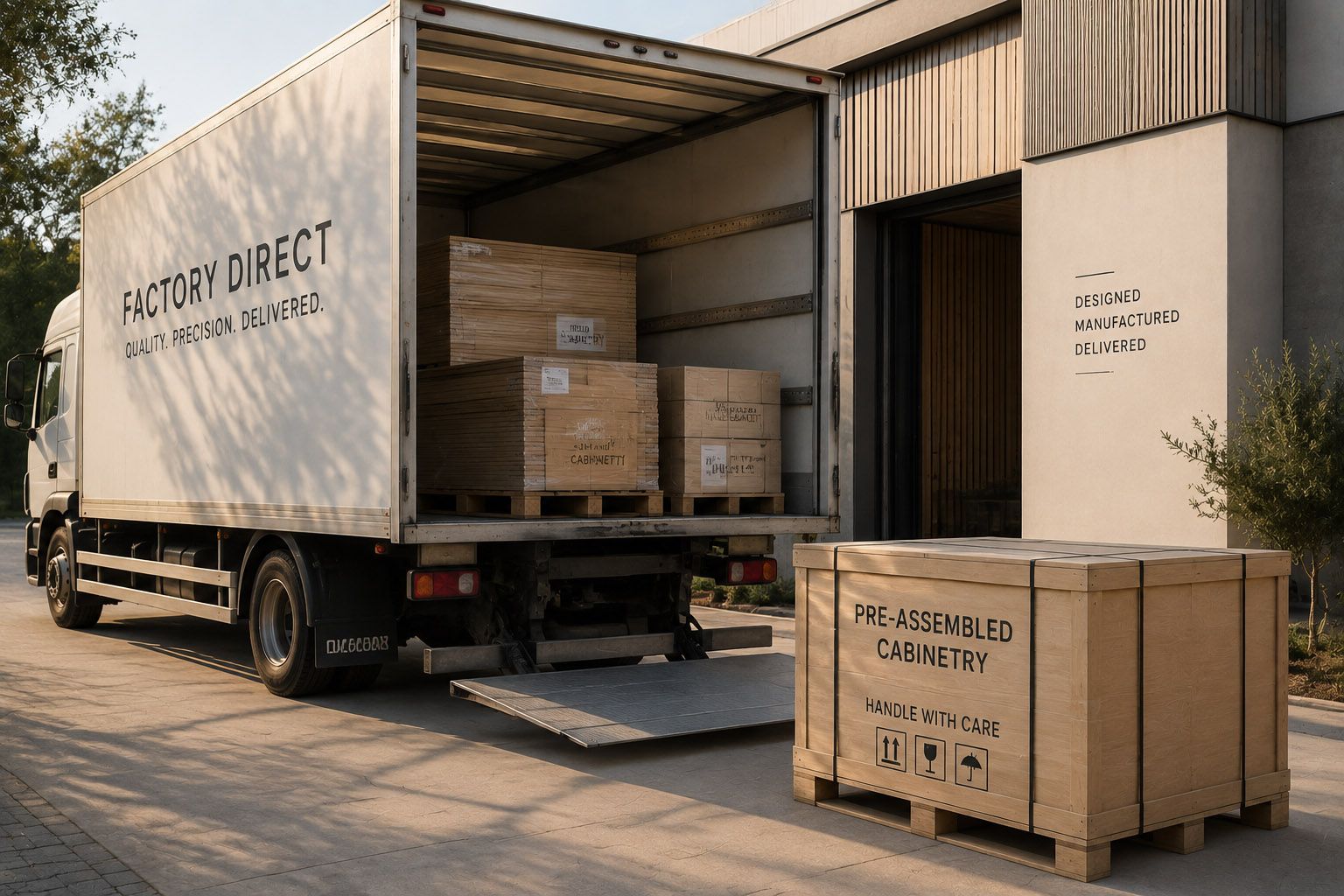
Logistics serve as the backbone of construction projects. When sourcing materials, OLCO factory direct logistics minimize unnecessary middlemen, allowing for better pricing structures and timelines. This streamlined approach ensures that the right materials arrive at the job site when needed, reducing downtime and miscommunication common with traditional sourcing routes.
By leveraging this strategy, project managers can eliminate the excessive costs tied to delays and order discrepancies, ultimately preserving project budgets. Knowing the supply chain, from factory to site, adds an element of transparency that was all too often missing in contemporary practices.
4.2 Consolidating High-Quality Material Packages
The ability to consolidate high-quality OLCO construction materials from a single supplier simplifies procurement processes. Project managers can bundle their requirements into packages that come pre-configured with everything they need for fit-outs. This consolidation reduces shipping fees, improves logistics efficiency, and further mitigates the risks of having to source various components from multiple vendors. Sourcing high-quality material packages can lessen project vulnerabilities related to fluctuating material costs, ensuring that the initial budget remains intact throughout the project lifecycle.
>> See more: The OLCO Advantage: How One-Stop Material Procurement Simplifies Australian Projects
5. Frequently Asked Questions Regarding Pre-Assembled Sourcing (FAQ)
Understanding the market dynamics surrounding pre-assembled sourcing can help address common concerns that surface when transitioning to these methods.
How does utilizing an OLCO factory direct logistics model assist general contractors in reducing on-site labor costs?
Utilizing OLCO factory direct logistics creates a structure that empowers general contractors with enhanced visibility and control over their material supply chain. By directly sourcing materials, contractors can expect quick and consistent deliveries, which eliminates onsite delays and labor overtime. The direct approach also sharpens the procurement process, reducing reliance on multiple suppliers and the time lost in managing various contracts. As a result, on-site workforce impacts are effectively minimized, yielding significant labor cost savings.
Why are factory-built pre-assembled interior fit outs preferred over flat-packs for high-traffic commercial interior fit outs?
Factory-built pre-assembled interior fit outs have become the preferred choice for high-traffic commercial venues due to their robustness and reliability. They are engineered for quick installations and high accuracy, ensuring that operations resume seamlessly without unnecessary downtime. Additionally, these ready-to-install units are built with durability in mind, reducing the risk of damages often associated with flat-pack alternatives that require construction on-site. The efficiency attained with factory solutions directly correlates to improved customer satisfaction and operational fluency, which commercial entities strive for.
Does specifying OLCO cabinetry along with unified raw OLCO construction materials ensure durability and perfect synchronization during practical assembly?
Absolutely. Specifying OLCO cabinetry and raw materials creates a synergistic advantage where each component interacts harmoniously. This calculated pairing enhances not only the aesthetic quality of builds but also contributes to structural rigidity, consistency, and longevity. In practice, integrated materials streamline the fitting process while minimizing the likelihood of discrepancies. It effectively reduces the time spent correcting for faults, allowing tradespeople to focus on timely and efficient assembly, reinforcing product confidence among stakeholders.
6. Conclusion
In the evolving landscape of construction, pre-assembled interior fit-outs emerge as a solution to the persistent issues surrounding on-site labor costs and logistical efficiencies. The preference for OLCO construct offerings has proven to provide smoother transitions in commercial projects, safeguarding investments while ensuring top-notch quality and performance. By embracing factory-direct methodologies and selectively engaging with pre-assembled modules, businesses can significantly enhance their project outcomes, driving accelerated installations and ultimately achieving a stronger return on investment. Explore our precision-manufactured furniture and joinery solutions to see how modular interiors can transform your next development.





 Read more