


In an industry where every dollar counts, the significance of sourcing materials wisely cannot be overstated. With OLCO building materials, developers can enhance their project viability and align with regulatory standards seamlessly. This article delves into the many benefits of OLCO's factory direct sourcing and how it maximizes return on investment for Australian developers.
1. The NCC Framework and Its Impact on Australian Projects
The National Construction Code (NCC) serves as a cornerstone for construction projects throughout Australia, guaranteeing that all buildings and structures meet specific safety and performance benchmarks. The code outlines critical regulatory measures that developers must heed to ensure compliance and maintain project integrity. This framework makes significant contributions to the quality and safety standards of the built environment.
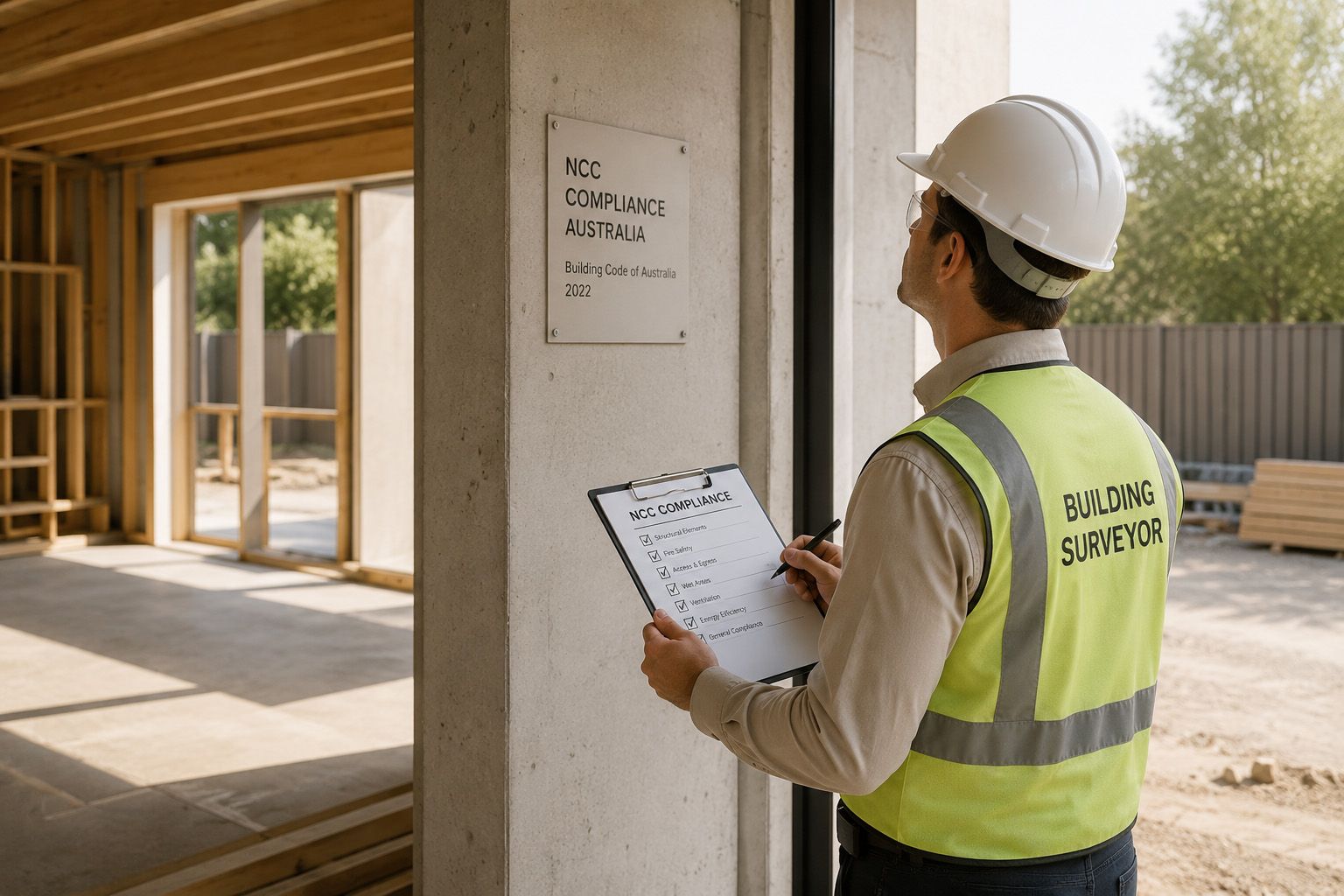
As Australian construction projects become increasingly complex and demanding, understanding the nuances of the NCC is critical. By utilizing OLCO construction materials, developers can increase the likelihood of compliance while also ensuring a return on investment that reflects both quality and safety.
1.1 The Importance of Compliance in Construction Projects
Compliance with the NCC is not just a bureaucratic checkbox; it’s fundamental to ensuring that a project can withstand Australia's unique environmental and climatic conditions. The NCC addresses critical factors, such as structural safety, fire safety, health and amenity, sustainability, and energy efficiency.
1.2 Quality Assurance in the NCC Framework
The NCC underscores the necessity of meeting rigorous standards for building materials. With OLCO building materials, developers are choosing products that undergo stringent testing protocols that align with the nationally recognized Australian building codes. This empowers developers to produce structures that not only meet local regulations but also provide a comfortable, durable, and safe space for occupants.
Moreover, integrating high-quality OLCO construction products into projects enhances marketability, as buyers and investors increasingly seek properties built with trusted materials. Establishing a reputation for quality leads to increased profits and sustained demand in the competitive Australian property landscape.
2. What Is the NCC and Why Must Contractors Comply?
A comprehensive understanding of the NCC is vital for developing strong, compliant structures. This code is adjusted and updated regularly to reflect changes in technology, building practices, and community needs, making it essential for developers to stay informed about current requirements and innovations.
The NCC also provides guidelines specific to various aspects of construction, including:
- Structure integrity
- Fire resistance
- Sustainability
- Health and safety
2.1 Simple Definition
The National Construction Code, more commonly recognized as the NCC, represents Australia's central regulatory framework governing the construction industry. It compiles all technical provisions that cover the design, construction, and performance expectations for residential and commercial buildings.
By anticipating the NCC's expectations in the design and materials selection stage, developers can create competitive yet compliant structures that stand the test of time and contribute positively to the environment. Additionally, OLCO construction materials are meticulously designed to satisfy NCC requirements, ensuring that compliance is straightforward and achievable.
2.2 The Risks of Using Non-Compliant Materials
Choosing non-compliant materials for construction poses significant risks that extend beyond simple project delays.
For instance, if a building is constructed using substandard materials that do not adhere to NCC stipulations, the developer risks:
- Legal liability for non-compliance with the national codes.
- Potential structural failures affecting occupants and surrounding properties.
- Financial losses incurred from fines or retrofitting requirements.
3. Technical Comparison Matrix: NCC Requirements for Windows and Glass Materials
Windows and glass materials present specific challenges concerning NCC compliance. As these components dramatically influence a building's energy efficiency and occupant safety, understanding their technical requirements becomes essential.
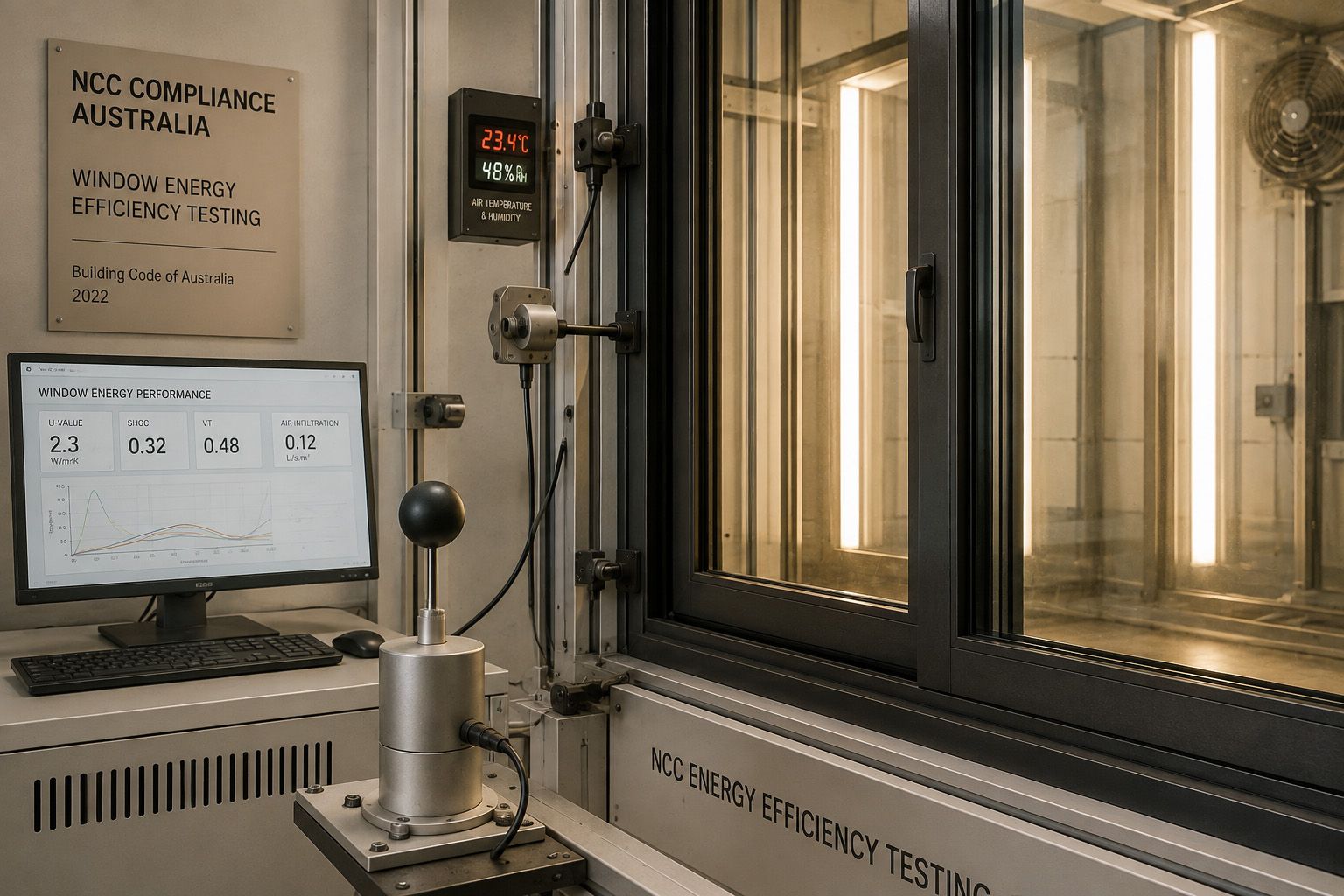
In the following sections, we will explore how OLCO aids developers in meeting these stringent standards by providing high-quality, compliant materials.
3.1 Core NCC Requirements: Structural Load Capacity, Impact Safety, and Water Penetration Prevention
The NCC lays out clear specifications for windows and glass materials regarding how they can bear loads, resist impacts, and prevent water infiltration.
This becomes especially critical in regions prone to severe storms or natural disasters. The Australian building codes mandate that windows withstand high winds and resist debris impact while ensuring airtight joints that minimize leaks.
OLCO’s windows and glass products undergo rigorous testing to align with these requirements, ensuring that the materials utilized meet the necessary load capacity and safety ratings. Their compliance with these standards reflects a commitment to quality that developers can rely on.
3.2 How Premium OLCO Construction Materials Meet and Exceed These Exact Metrics
The premium OLCO construction materials are engineered to not only meet the projections set forth by the NCC but often push beyond them. With advanced technologies embedded in the manufacturing process, these materials demonstrate increased resilience against environmental stressors while providing superior thermal performance and energy efficiency.
4. How OLCO Engineers Products to Meet Strict Commercial Standards
With a commitment to excellence, OLCO engages in a series of precise engineering processes that ensure their products adhere to the strict standards set by both the NCC and commercial construction requirements.
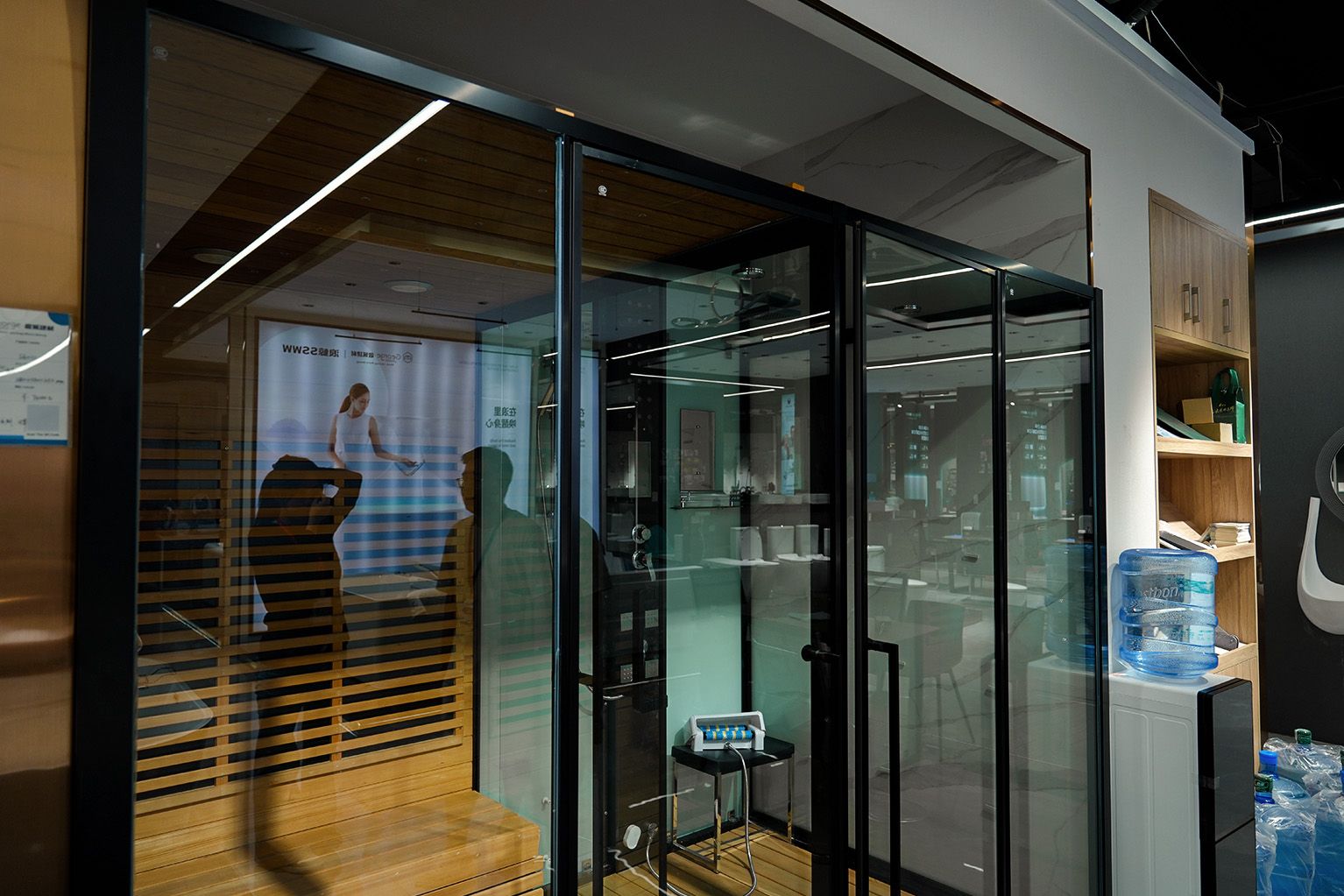
From product design to production, a focus on quality control and rigorous testing is crucial in maintaining a high standard.
4.1 Factory-Level Testing (OLCO Quality Control)
Quality control is integrated into every step of the manufacturing process for OLCO products. Factory-level testing is a strength of OLCO, as each component goes through standardized assessments to ensure compliance with necessary regulations.
This method not only guarantees that products reach their peak performance metrics but also significantly minimizes the risk of defects that could compromise a project. Every batch of OLCO construction materials undergoes examinations that confirm their capabilities, reinforcing the integrity of structures built with these materials.
4.2 Meeting Heavy-Duty Commercial Construction Standards
OLCO’s ability to meet heavy-duty commercial construction standards plays a pivotal role in building long-lasting, robust structures. By ensuring that their materials meet industry requirements, OLCO provides developers with the peace of mind that their projects will not only survive but thrive under various stressors.
The commercial standards implemented across Australia can vary extensively, but OLCO's dedication to uniform compliance guarantees that developers can work seamlessly within diverse project parameters.
>> See more: The Ultimate Construction Guide for AU Commercial & Residential Projects: Trends, Compliance, and Cost Optimization
5. Frequently Asked Questions Regarding the NCC Standard (FAQ)
In this section, we will address some common questions developers have about the NCC standard and how OLCO can facilitate compliance.
How does achieving verified OLCO NCC compliance help project owners speed up the final building inspection process in Australia?
Achieving verified OLCO NCC compliance dramatically advances the final building inspection process for project owners. Given that inspectors are well-versed in the NCC stipulations, presenting compliant materials inherently alleviates many concerns at the inspection phase. Developers using OLCO products can streamline the inspection experience, as compliant materials translate into fewer red flags and quicker approvals. Ensuring that every element of a building meets NCC standards eliminates potential delays and expedites project timelines, aligning perfectly with developers’ goals of efficiency and ROI.
What specific testing protocols are included in the OLCO quality control phase to ensure zero defects?
The OLCO quality control phase is marked by several rigorous testing protocols aimed at ensuring zero defects. Each product undergoes mechanical, thermal, and performance evaluations to assess durability and functionality.
Quality control testing may include:
- Stress testing to ensure proper load-bearing capabilities.
- Impact resistance assessments to confirm safety standards.
- Long-term performance evaluations through accelerated weathering tests.
These protocols reinforce the robustness of OLCO’s offerings, allowing developers to trust that their selected materials will perform optimally throughout the lifespan of their projects.
Why is choosing independent certified building materials a make-or-break factor for modern commercial developments?
Selecting independent, certified building materials is one of the most significant decisions for any commercial development. The robustness and reliability of these materials not only influence the structural integrity of a project but can also determine its market value.
- Buildings equipped with high-quality materials tend to attract tenants and investors due to perceived safety and durability.
- Properties constructed with compliant materials have a higher chance of meeting regulatory scrutiny, thus avoiding potential future financial pitfalls.
- Resilient building materials can endure wear over time, leading to lower maintenance costs and enhanced tenant satisfaction.
Ultimately, opting for certified materials like those from OLCO is integral to ensuring project success and longevity. To review our compliance certifications or discuss material specifications for your next development, please Contact our commercial project team today.
6. Conclusion
In conclusion, opting for OLCO's factory-direct sourcing of building materials presents a myriad of advantages for Australian developers Roi. Through adherence to the National Construction Code and commercial construction standards, OLCO establishes itself as a trusted ally in the compliance arena. By prioritizing quality and investment into rigorous testing, OLCO ensures that their materials are not only compliant but also contribute positively to the overall project outcomes. This translates into minimized risks, enhanced safety, and long-term savings, all pivotal elements that maximize return on investment in today’s competitive construction market. Explore our factory-direct catalogue across architectural finishing materials to optimize margins on your next project.





 Read more