

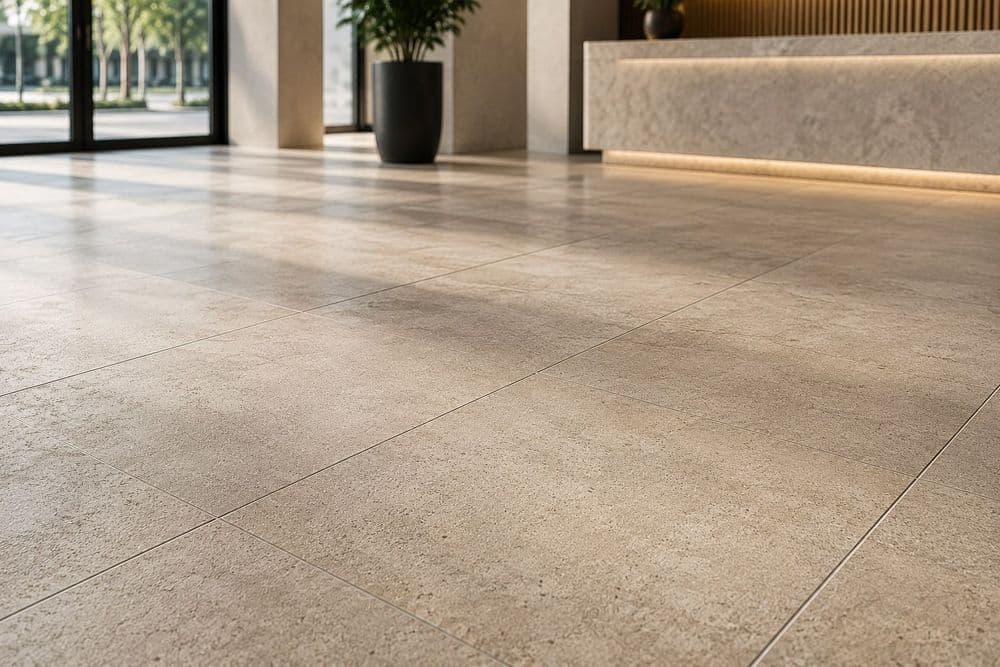
The choice of flooring material is critical in any commercial setting, especially when considering both slip resistance and heavy loading capabilities. Informed decisions about flooring solutions can prevent costly damages and ensure safety. At OLCO Building Materials, we prioritize quality and compliance with commercial specifications to provide durable solutions for high-traffic areas.
1. Low-Durability Commercial Floors: The Risk of Cracking and Slipping Accidents
In commercial environments, durability is not just a preference; it's a necessity. High-traffic environments like commercial lobbies, pedestrian walkways, and covered parking bays demand extreme structural resilience. Unfortunately, the overuse of thin-body tile materials or generic glazed surfaces triggers rapid floor cracking under heavy cart loads and creates dangerous slip hazards during wet seasons.
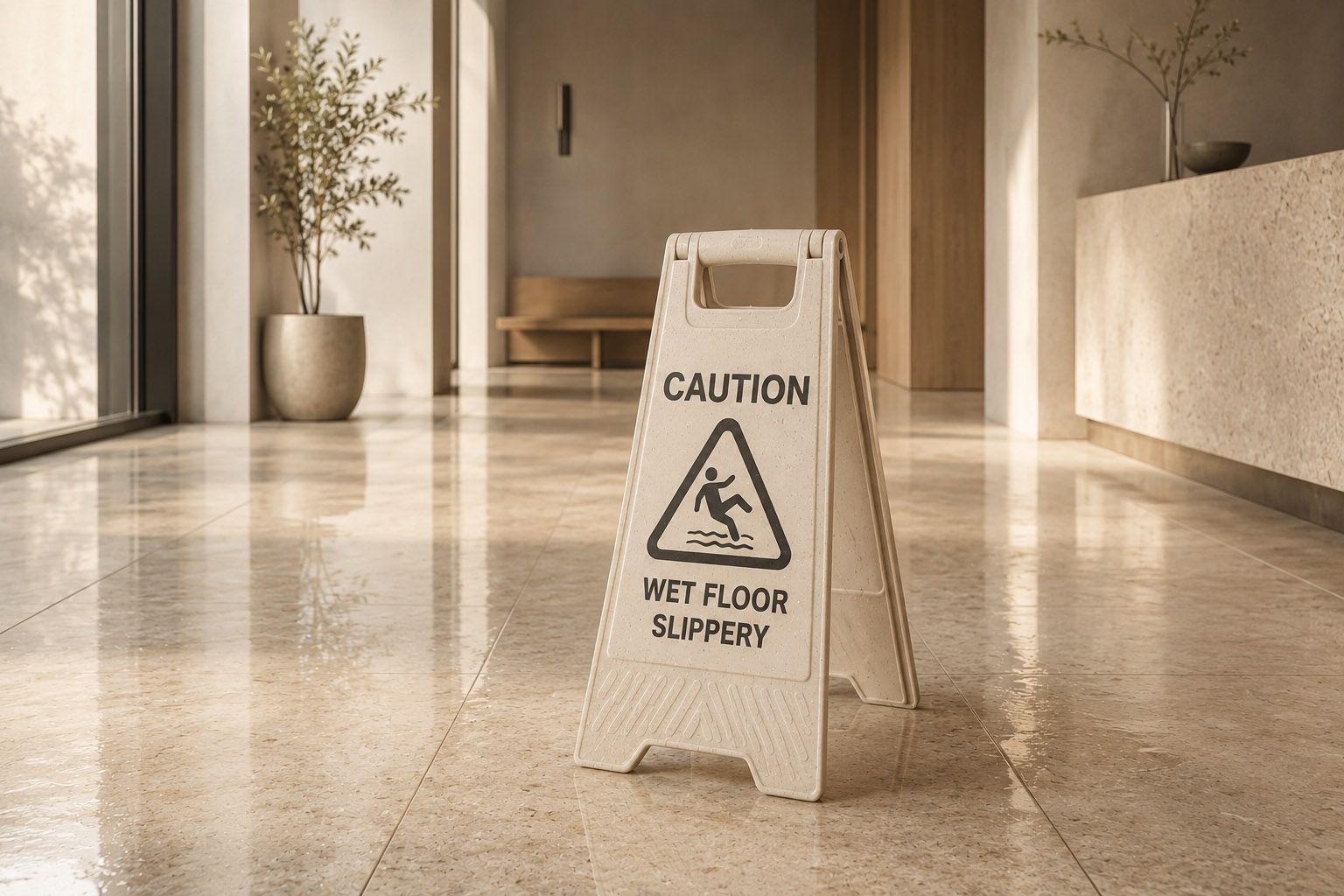
When floors crack, it can lead to a range of issues, from unsightly aesthetics to safety liabilities. Cracked floors can cause slips and falls, especially in areas prone to moisture or spills. Therefore, selecting the right flooring material from the onset is vital for minimizing accidents.
2. How to Choose Slip-Proof and Heavy-Duty Porcelain Tiles for Large Lobbies
Selecting the right porcelain tiles is essential for creating a balance between aesthetics and functionality in large lobbies. Choosing products specifically designed for heavy-duty applications ensures greater longevity and enhanced safety.
2.1 Selecting Dense Compacted Bodies for High Tonnage
When evaluating porcelain tiles, density is a crucial aspect. High-density tiles, such as OLCO’s architectural-grade OLCO porcelain tiles, deliver mechanical integrity while showcasing beautiful finishes. These tiles are engineered with a stone-powder base which efficiently absorbs massive weight pressures, effectively preventing cracking or structural failure.
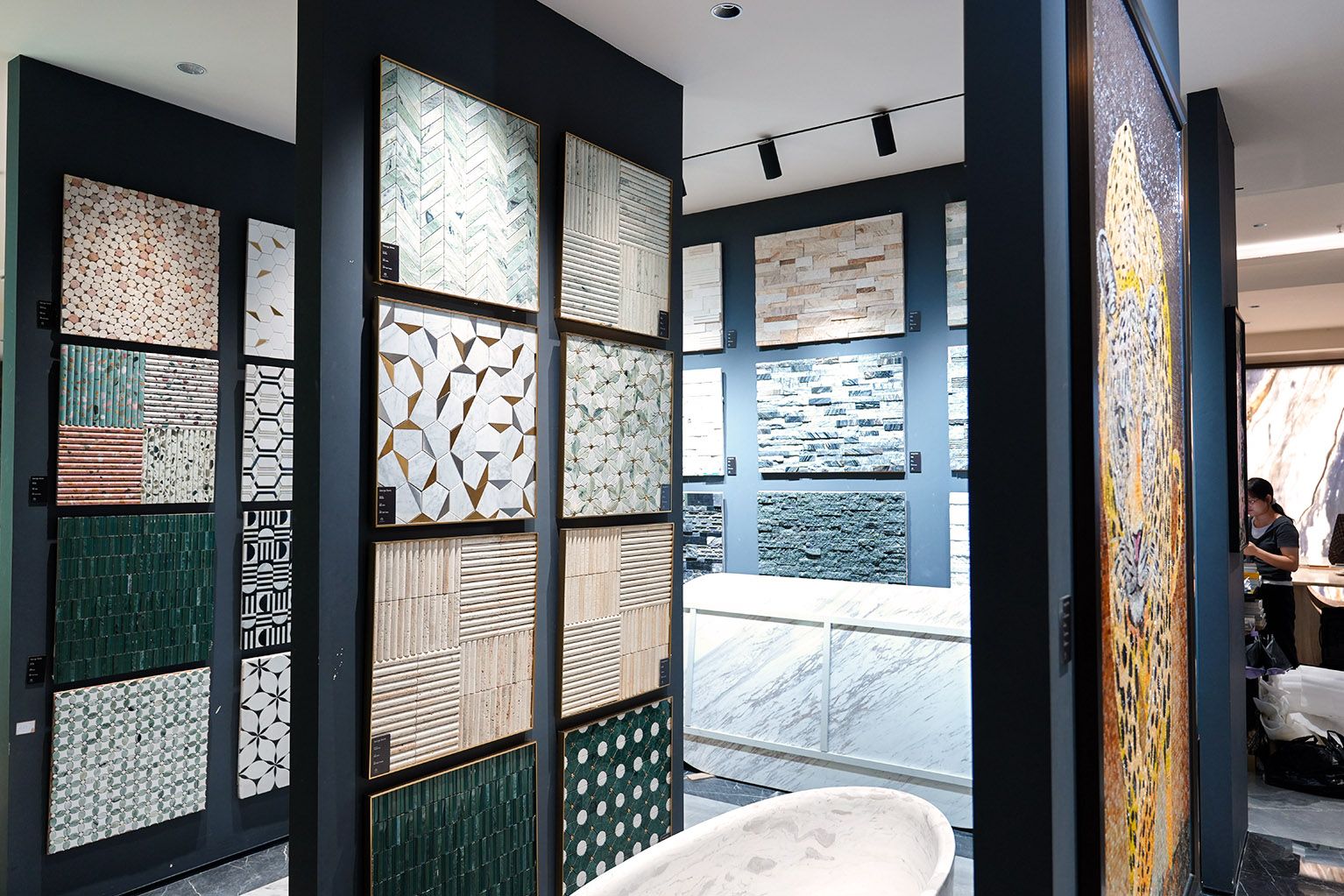
The beauty of high-density porcelain tiles lies in their ability to mimic natural stones, adding a high-end aesthetic without sacrificing durability. This deeper understanding of material science enables builders and architects to achieve the perfect blend of functionality and aesthetic appeal. Architectural-grade tiles can be utilized effectively in both high-traffic entrances and expansive open lobby spaces while balancing practical requirements with design aspirations. Explore our commercial-grade collection across tiles and flooring to find high-performance surfaces tailored for high-footfall developments.
2.2 Strict Slip-Resistance Benchmarks (R-Rating) for Public Spaces
In environments where people are constantly moving, the risk of slips and falls increases, particularly when floors become wet. To mitigate this risk, it is critical to source engineered flooring products that meet strict slip-resistance standards. OLCO’s porcelain tiles boast R10 to R12 ratings, ensuring optimal safety for all users. These ratings indicate the level of slip resistance the tiles possess under various conditions, helping to reduce the likelihood of accidents significantly. Investing in slip-resistant products is a preventive strategy that promotes safety while enhancing the integrity of public spaces.
Ensuring your material selection includes these important slip ratings can save businesses from costly legal liabilities related to slip and fall injuries.
3. Technical Performance Matrix: Mechanical Strength Benchmarks
When it comes to specifying flooring solutions for commercial applications, understanding mechanical strength benchmarks is of utmost importance. Comparing the characteristics of various tile types allows for informed decision-making.
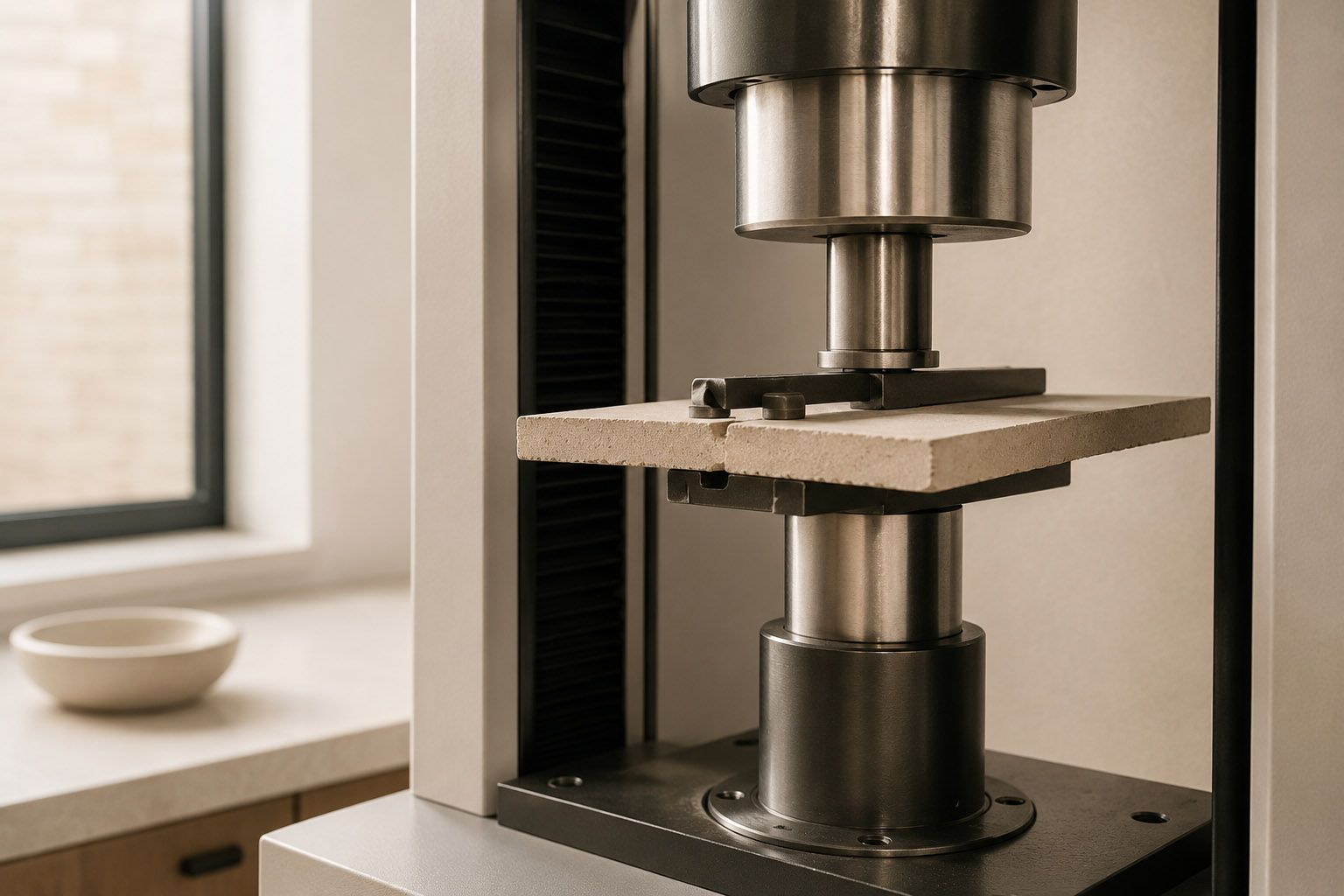
3.1 Comparing: Standard ceramic tiles, Retail-grade consumer flooring, and high-specification OLCO construction systems.
Not all tiles are created equal. Standard ceramic tiles, often manufactured for residential use, may not withstand the rigors of commercial environments. Retail-grade consumer flooring is typically designed for aesthetics rather than functionality, further widening the performance gap.
In contrast, high-specification OLCO construction systems represent the pinnacle of durability and strength. With rigorous testing protocols and quality controls in place, OLCO ensures that every tile entering the market can withstand the physical demands typically expected in commercial spaces. These systems are built to last, making them an ideal choice for building owners and facility managers who prioritize long-term performance.
Overall, understanding the differences among tile types is essential for making informed decisions that align with usage intentions.
3.2 Metrics evaluated: Modulus of rupture (N), water absorption percentages (E), breaking strength thresholds
Technical specifications such as modulus of rupture (N), water absorption percentages, and breaking strength thresholds are critical for flooring material assessment. For instance, a tile with a high modulus of rupture indicates that it can handle greater stresses before fracturing. This aspect is particularly important for commercial applications where heavy loads are commonplace.
Water absorption percentages reveal how vulnerable a given material might be to moisture damage. Higher water absorption could indicate potential issues such as staining or degradation over time. Therefore, OLCO emphasizes rigorous internal factory testing to ensure all products meet or exceed industry standards through its OLCO quality control protocols. The commitment to quality and rigorous testing serves as a reassurance that OLCO porcelain tiles will maintain their durability, performance, and aesthetic appeal under various environmental conditions.
4. Design Trends and Cost Optimization for Contractors and Distributors
In an ever-changing market, adopting modern design trends without compromising on quality is vital for success. OLCO continuously evaluates the market to ensure that our product offerings reflect the latest design aesthetics.
4.1 Modern Visual Aesthetics for Project Specifications (flooring tiles design)
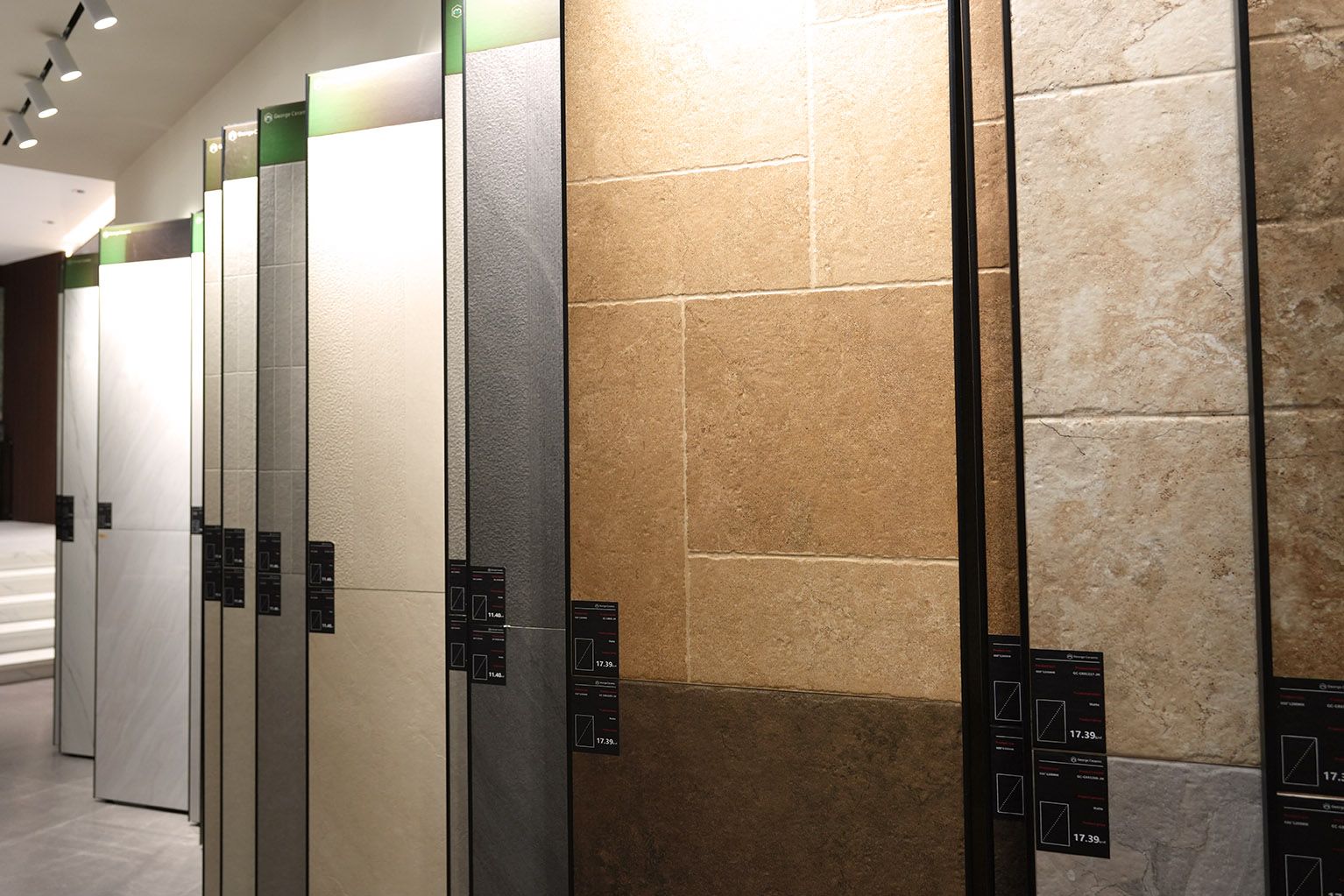
Current trends highlight a desire for natural aesthetics married with performance resilience. OLCO’s modern product offerings feature textures and finishes that mimic natural stone and contemporary industrial cement without sacrificing durability. This combination allows architects and designers to create spaces that are visually appealing while ensuring that the materials can withstand the rigors of heavy pedestrian traffic.
The concept of blending modern visual aesthetics with functionality is critical for successful projects. By providing this contemporary design, OLCO positions itself as a leader in the industry, catering to the evolving needs of businesses.
4.2 Balancing the Project Budget per Square Meter (tiles flooring cost)
Cost management is an essential consideration for contractors and distributors facing tight project budgets. Understanding unit pricing and leveraging purchasing power can significantly affect profit margins. By working through OLCO’s OLCO tiles wholesale supply network, volume buyers can access significant discounts, thus streamlining their overall flooring costs.
Managing tiles flooring costs involves understanding the balance between quality and price. Many opt for cheaper alternatives in a bid to save costs, yet this often leads to more expensive long-term consequences due to repairs and replacements. As industry leaders in OLCO building materials, OLCO is committed to ensuring that our quality products are accessible, reinforcing the idea that sustainability can go hand in hand with budget management.
>> See more: Uncompromising Quality: Inside the OLCO Inspection Team Protocols for Plumbing and Sanitary Supply
5. Frequently Asked Questions Regarding Commercial Tile Sourcing (FAQ)
How does OLCO enforce strict OLCO quality control parameters on OLCO porcelain tiles batches to ensure perfect flatness and zero warping?
OLCO employs a comprehensive set of quality control protocols that extend from raw material sourcing to the final product. Each batch of OLCO porcelain tiles undergoes stringent testing to ensure uniform flatness and resistance to warping, guaranteeing that the tiles maintain consistent aesthetics and performance standards.
What is the most effective way to lower the overall tiles flooring cost when specifying materials for massive commercial floor areas?
Strategic sourcing through OLCO’s tiles wholesale network allows contractors to minimize costs effectively. By leveraging bulk purchasing agreements, combined with quality materials, they can create a balance that optimizes both financial and functional aspects of their projects.
Does OLCO’s olco tiles wholesale inventory ensure consistent dye-lot shading to maintain the integrity of a continuous flooring tiles design?
Absolutely, OLCO places significant importance on maintaining color consistency across all tile batches. Our OLCO tiles wholesale inventory is managed carefully to ensure uniformity in dye-lot shading, which is vital for maintaining the aesthetic integrity of large flooring designs.
6. Conclusion
In conclusion, selecting porcelain tile flooring for commercial applications involves critical Engineering & Compliance considerations regarding slip resistance and heavy loading capabilities. The use of high-quality materials from OLCO ensures durability, performance, and safety in spaces designed for high traffic. Understanding specifications such as mechanical strength, slip-resistance ratings, and adhering to modern design trends while managing costs are crucial elements for contractors and distributors. By opting for products that marry practical needs with aesthetic desires, businesses can significantly enhance their operational environments while minimizing safety liabilities and potential costs related to their flooring

 Read more