

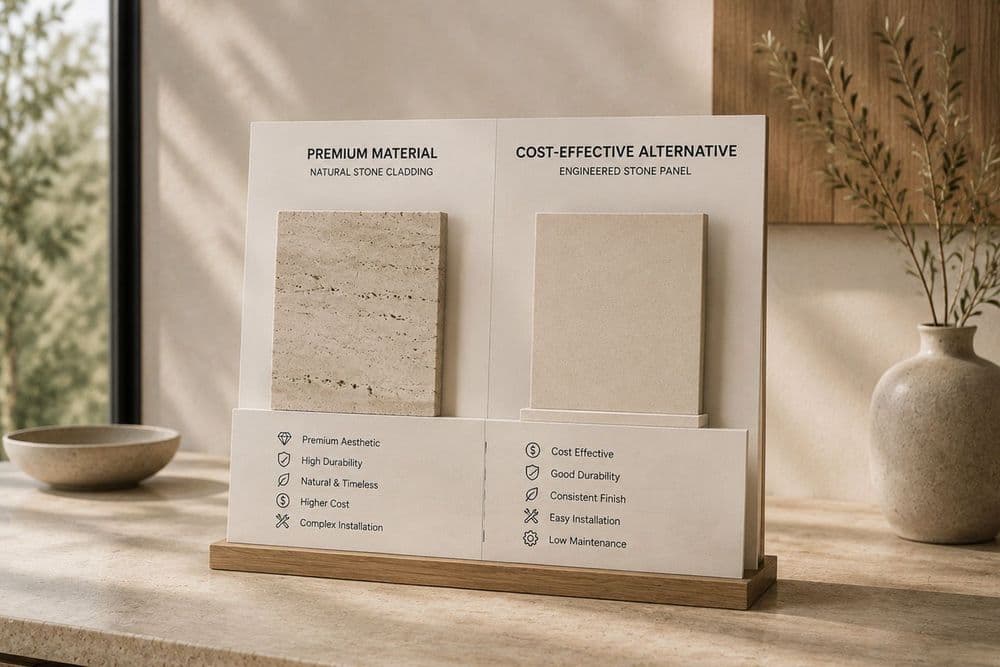
When it comes to construction in today's economy, seeking out ways to save money without sacrificing quality is paramount. One innovative solution is the approach of swapping materials, particularly using the efficiencies provided by OLCO construct. This method revolves around sourcing high-quality materials while optimizing costs through strategic planning and value engineering.
1. The Art of Material Substitution and Value Engineering in Modern Construction
Material substitution and value engineering are increasingly becoming a cornerstone of modern construction practices.

Construction is not merely the act of assembling buildings; it integrates diverse components that require careful evaluation and analysis to optimize cost. Material substitution entails replacing an original material with a more cost-effective alternative without undermining performance or quality. Value engineering goes beyond sales; it encourages a culture of innovation to propose alternatives that align more closely with budgetary constraints. As concerns over tight project budgets increase, strategies like utilizing OLCO construction materials have surfaced as key enablers of this transformation. By allowing for flexibility in material selection, project managers can focus on primary structural performance metrics without compromising quality.
1.1 Strategic Import of Material Substitution
Material substitution serves a dual purpose, acting both as a financial incentive and as a design improvement. Today’s procurement professionals must keep abreast of the newest technologies and products in the marketplace.
One significant advantage is that peer-reviewed studies have shown that many modern alternatives offer enhanced properties such as better thermal performance, sustainability, or even reduced maintenance needs. OLCO construction materials, for example, are recognized for their eco-friendly and durable characteristics, making them a wise choice for any construction professional looking to remain within budget while guaranteeing long-term performance. Additionally, the integration of digital tools for quantity takeoffs and material performance assessments enables field engineers and architects to evaluate material substitutions with remarkable efficiency. Through digital modeling, teams can run various scenarios, allowing them to assess both the financial and structural implications holistically.
1.2 Policymaking and Regulation Considerations
While the notion of material swapping is beneficial, it must conform to the local building codes and regulations. It is essential for architects and engineers to maintain regular communication with building authorities to ensure the proposed substitutes are permissible. OLCO quality control has mechanisms in place for compliance checks that can aid construction teams in meeting these regulatory requirements.
The art of material substitution inevitably involves leadership, both from the management and engineering teams. A cultural shift towards an openness to change must begin while also ensuring stakeholder engagement throughout the process.
2. Sourcing Cost-Effective Building Materials Without Sacrificing Structural Performance
The pursuit of cost savings within a project should not threaten its structural integrity. Sourcing materials requires a more nuanced approach in understanding the market and leveraging relationships with suppliers.
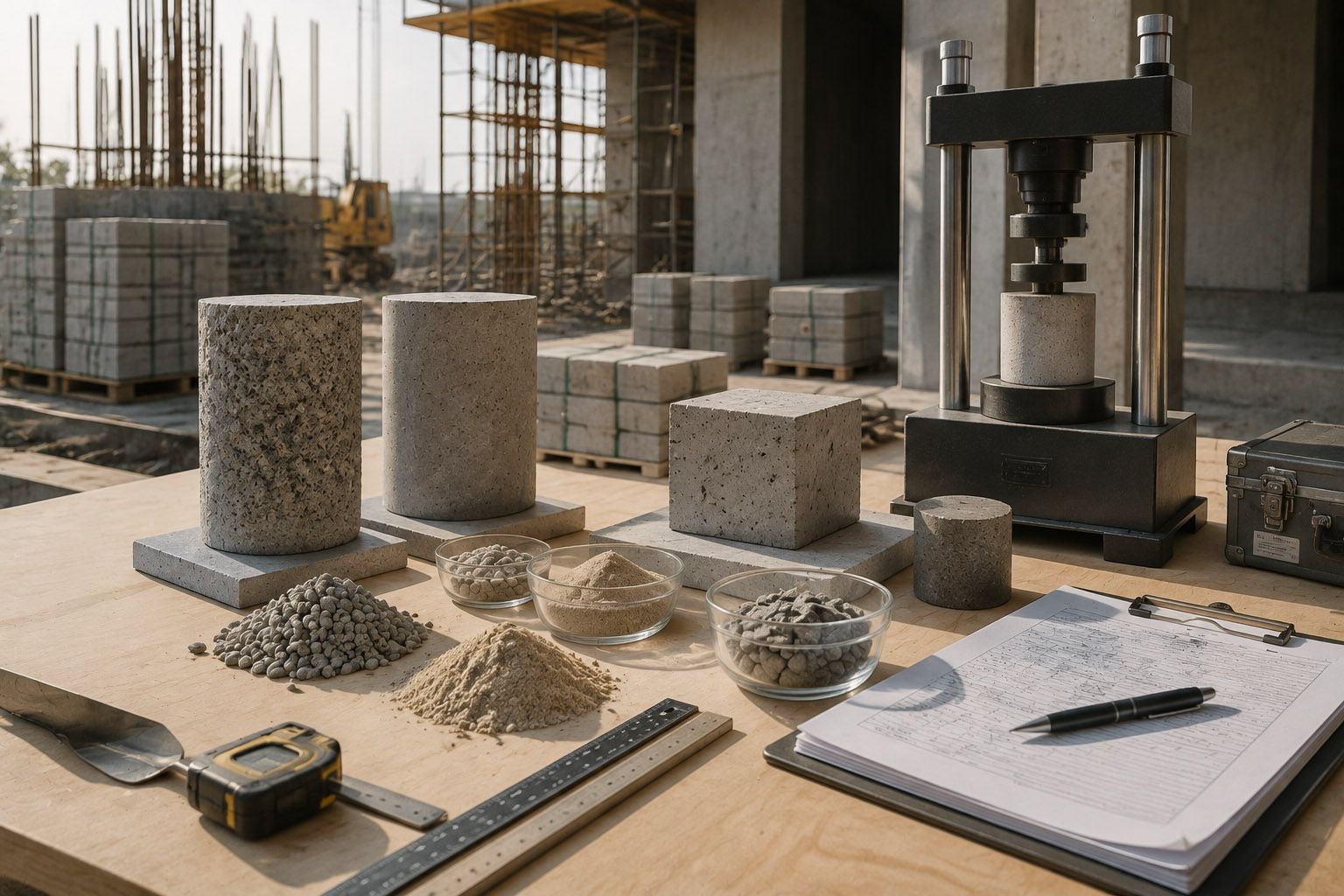
2.1 Strategic Sourcing
Strategic sourcing methods lie at the forefront of optimizing construction expenditures. These processes include assessing total material life-cycle costs rather than just focusing on upfront pricing. Involving specialists like OLCO factory direct suppliers enables projects to determine which materials yield the most benefits for the least cost over time.
Moreover, early and continuous engagement with suppliers can foster innovative responses to specific project needs. Building long-term strategic partnerships can yield discounts and exclusive product offerings that benefit both parties.
Through meticulous planning and collaboration, project teams can leverage cost effective building materials that minimize risk while assuring performance. For instance, understanding supply chain fluctuations allows these teams to plan ahead, reducing the likelihood of delays that might inflate costs further down the line. To discuss tailored procurement solutions for your upcoming developments, please Contact our specialists today.
2.2 System Integration
As technology evolves, the way construction professionals approach system integration has drastically changed. Comprehensive data-driven systems facilitate better material management and are instrumental in identifying potential savings. With an understanding of how different materials react under environmental stress, engineers can suggest substitutions that perform better under specific climates or usage conditions without rising costs. This predictive analysis not only smooths out financial forecasts but instills a layer of reliability in performance assurance. Incorporating environmental and social governance policies (ESG) into the material selection process has begun to influence buyers more than ever before. Industry trends showcase a shift toward sustainable solutions that can fulfill multiple roles, reducing waste, cutting costs, and increasing social responsibility.
3. Material Sourcing Matrix: Commercial Sourcing Channels vs. Factory Direct Models
The method of sourcing materials plays a crucial role in the successful execution of commercial construction projects. Understanding the dynamics between traditional sourcing channels and factory direct distribution can clarify which path may better serve specific project requisites.
Comparison Criteria | Multi-tiered Retail Distributor Supply Chains | Unbranded Open-Market Commodities | OLCO Factory Direct Solutions |
| Volume Discount Rates (%) | Limited discounts due to multiple distribution layers and intermediary markups. | May offer lower upfront prices, but discounts are inconsistent and depend on supplier availability. | Offers competitive bulk pricing with tiered volume discounts, helping contractors reduce procurement costs on large-scale projects. |
| Logistics Overheads | Higher logistics costs caused by multiple handling stages, warehousing, and longer delivery routes. | Logistics arrangements vary widely and may result in unpredictable transportation costs and delivery delays. | Centralized factory-direct distribution streamlines logistics, reducing transportation expenses, storage requirements, and project delays. |
| Batch Consistency | Product consistency may vary between distributors and production batches. | Quality consistency is often uncertain due to multiple manufacturers and limited quality control. | Strict manufacturing quality control ensures consistent product specifications and reliable performance across every production batch. |
| Supply Chain Predictability | Delivery schedules may be affected by distributor inventory levels and multiple supply chain intermediaries. | Supply availability and lead times can fluctuate significantly depending on market conditions. | Factory-direct sourcing provides greater production visibility, stable lead times, and a more predictable supply chain for project planning. |
4. Value Optimization Framework for Budget-Friendly Commercial Builds
In the quest to optimize commercial projects, stakeholders must embrace a value optimization framework geared toward budget accountability and structural excellence.

4.1 Optimizing Commercial Projects
The optimization of commercial builds requires a blend of art and science. Establishing core performance benchmarks is crucial for aligning project goals with budgetary confines. Recognizing that affordability should not sacrifice quality, integrating options like OLCO construction materials can create pathways toward more efficient project outcomes. Through sharing successful case studies and data-driven analysis, the construction community can better advocate for innovative material use to achieve budget goals without the pitfalls of quality compromise. This strategy proves particularly effective when selecting high-performance, cost-efficient finishing materials for high-traffic zones.
Moreover, communicating these benchmarks with internal teams promotes accountability and allows for a more transparent, engaged development environment. When each involved party is working in harmony toward shared objectives, the likelihood of project success rises dramatically.
4.2 Risk Management
Every successful construction project inherently involves risk management. Understanding the risk associated with material substitutions, such as potential delays due to sourcing difficulties or performance failures, will help teams to develop contingency plans.
Utilizing strategic frameworks for forecasting can immediately identify at-risk materials or supplier relationships in a given project. Continuous monitoring for changes in the marketplace allows teams to pivot plans as needed, ensuring that projects remain within scope and budget.
Adopting a proactive approach toward risk management, with an emphasis on quality assurance processes like those espoused by OLCO quality control, is vital for long-term success. This model enables field engineers to anticipate potential hurdles and implement actionable solutions before they devolve into serious issues.
5. How Rigid Quality Control Safeguards Advanced Sourcing Configurations
Drawing upon comprehensive quality control practices ensures the structural integrity of substitution materials meets industry standards. OLCO quality control structures safeguard field professionals against unnecessary risks.

5.1 Rigorous Verification Protocols
Having rigorous verification protocols in place allows construction teams to prevent the use of subpar materials in critical structures. By leveraging industry-standard testing procedures, teams can maintain high standards for every project phase, from selection to installation, guaranteeing that the financial benefits of cost-effective building materials do not come at a quality cost. Careful documentation and rigorous tracking of material properties is crucial during the construction process. Building a transparent database surrounding materials used can illustrate to stakeholders the performance standards achieved on-site, ensuring confidence in both material quality and project delivery.
5.2 Compliance Engineering
Creating compliant engineering practices not only streamlines worker safety but also promotes a culture of excellence. Using OLCO construction materials ensures continual compliance with federal and state regulations, crucial for any contractor aiming to uphold their reputation in the industry. When considering material substitutions, it is essential to ensure that these alternatives meet the same structural codes and safety guidelines as the original plans. This diligence reduces liability and fosters a cohesive atmosphere where project teams work collaboratively towards mutually beneficial outcomes.
>> See more: How a Direct Supply Chain Model with OLCO Building Materials Secures Project Timelines
6. Frequently Asked Questions Regarding Structural Material Substitution (FAQ)
How can field engineers implement material swapping construction while ensuring alignment with the original architectural scope?
Field engineers possess an innate ability to translate design concepts to actual construction. When implementing material swapping, they must work closely with design teams to ensure that all proposed substitutions conform to the project's overarching architectural parameters. Leveraging technologies like Building Information Modeling (BIM) can facilitate instant feedback, allowing engineers to make informed choices that respect aesthetic goals while optimizing budget allocations.
Does outfitting a project with components straight from OLCO factory direct satisfy regional engineering audit certifications?
When executing construction projects, particularly those involving public funding or regulatory oversight, ensuring compliance with local and federal codes is non-negotiable. Sourcing from OLCO factory direct addresses this requirement as they adhere to rigorous quality assurance protocols, thus providing documentation necessary for audits or certifications.
Why does utilizing certified OLCO construction materials streamline budget friendly commercial builds?
The certification of OLCO construction materials offers significant advantages for budget-friendly projects. When these certified materials are used, it significantly reduces the risk of unforeseen costs arising from material failures or subquality installations. By offering an upfront assurance of performance and longevity, project stakeholders can forecast their expenditures more accurately.
7. Conclusion: Achieving Fiscal Efficiency via Precision-Engineered Sourcing

The modern construction landscape is increasingly built upon the principle of precision-engineered sourcing. Embracing the use of quality substitutes and strategic sourcing frameworks empowers contractors to achieve substantial Project Cost Optimization while maintaining fiscal responsibility. OLCO construct, through its quality assurance and comprehensive material offerings, stands as a pivotal resource for construction professionals aiming for innovative solutions in budget-friendly, performance-driven builds. By prioritizing collaboration, transparency, and cutting-edge practices, the entire industry can navigate the challenges of today’s economic landscape without sacrificing quality or structural integrity.



 Read more