


Building and construction projects are often marred by procurement delays, which act like a financial leak that can erode the foundations of a project's budget. Understanding the dynamics of lead time management, especially in conjunction with providers like OLCO construct, is critical for avoiding pitfalls that can lead to both increased costs and extended timelines. This article elucidates how effective procurement strategies can mitigate the shockwaves of delays and optimize construction budgets.
1. The Financial Bleeding of Material Delays: How Bad Sourcing Breaks Budgets
Delays in procurement not only postpone project timelines but also lead to a cascade of financial repercussions that can inflate construction budgets significantly. This situation surfaces when sourcing strategies are poorly executed. If a contractor relies on traditional or retail brokers for sourcing materials, they often face unforeseen costs that could have been averted through strategic planning.

1.1 Effects of Untimely Deliveries on Project Budgets
When materials do not arrive at the scheduled time, multiple stakeholders in a construction project face increased expenses. Extended labor costs are one of the most immediate impacts, as crews sit idle waiting for their next materials. In addition, when delays occur, there might be a need for expediting orders, such as paying for overnight shipping, which can exponentially escalate expenses that were not originally accounted for in the budget.
1.2 Opportunity Costs of Procurement Delays
Procurement delays also create opportunity costs worth considering. Projects that extend beyond their scheduled timelines cannot move on to the next phases, potentially causing a backlog that can affect the next project in the pipeline. This disruption can strain relationships with clients and partners, eroding the contractor's reliability and affecting future opportunities for business. The ability to deliver on time is integral to maintaining a good reputation in the construction industry.
1.3 The Ripple Effect on Material Pricing
The effects of delays can further ripple through the supply chain, affecting material pricing. As demand for urgent deliveries increases, suppliers may raise their prices. Engaging with wholesale construction supply models, like that offered by OLCO construct, can protect projects from price volatility in the materials market, helping to stabilize costs despite fluctuations.
2. Logistics Strategies to Safeguard Structural Project Timelines
To prevent the financial bleeding caused by procurement delays, construction companies must adopt watertight logistics strategies. These strategies are essential elements that safeguard the timeline of structural projects and optimize overall efficiency.

2.1 Advanced Sourcing Coordination
Advanced sourcing coordination involves a strategic approach to managing suppliers and procurement processes effectively. It encompasses everything from understanding market trends to forecasting demand, which allows projects to acquire materials when they are most needed and at the best possible price.
Incorporating technology such as automated procurement systems can significantly improve coordination efforts. These systems deliver real-time data about inventory levels, lead times, and market prices, facilitating smarter purchasing decisions. Companies that embrace these processes will almost always outperform their peers that remain dependent on antiquated manual processes. Employing a robust sourcing strategy alongside a partner like OLCO construction can further enhance these efforts. By leveraging established relationships and communication pathways with suppliers, proactive sourcing avenues can be identified, further protecting project timelines.
2.2 Deploying a Direct Supply Chain Model
A direct supply chain model eliminates intermediaries, allowing construction companies to procure materials more efficiently and at lower costs. This model offers several advantages, like reduced lead times and more streamlined communication with suppliers. By working directly with manufacturers, companies can engage in bulk purchasing, securing lower prices. This method is particularly advantageous when ordering OLCO building materials, which are known for their quality and durability. Engaging in a direct supply chain not only allows for quick access to necessary materials but also means that any changes in designs or requirements can be acted upon without delay.
However, transitioning to a direct supply chain model requires an evaluation of existing supplier relationships and a determination of the most advantageous partners, such as those within the OLCO construction materials network. This transition can seem daunting, but the potential savings make it worth the investment.
>> See more: Smart Procurement: Protecting Bulk Material Costs from Currency and Freight Spikes
3. Hidden Sourcing Cost Matrix: Retail Brokering vs. OLCO Engineering
Understanding the hidden costs of various sourcing channels is crucial for construction businesses striving to stay within budget. This section compares traditional retail brokering with the offerings of OLCO engineering, revealing crucial insights into each method's impact on project costs and timelines.
3.1 Comparing Key Metrics: Transit Delay Percentages, Idle-Crew Liability Costs, and Short-Notice Order Scalability
When assessing sourcing avenues for construction projects, several key metrics merit attention. For instance, transit delay percentages often reveal the efficacy of the sourcing method. Traditional retail approaches tend to have longer lead times due to their structured supply chains, which can lead to higher costs associated with idle crews as they wait for materials. Idle-crew liability costs are another major factor. If the construction process is not seamless due to delays, the financial implications can quickly escalate. When contractors rely on retail sources, they can easily run into issues with labor agreements that result in increased liability when work is interrupted.
On the contrary, a partnership with OLCO construction fosters adaptability. By providing quick turnaround times for materials and leveraging advanced forecasting techniques, OLCO engineering helps businesses to minimize idle crew costs and maintain optimal project efficiency.
3.2 Sourcing Channels Evaluated: Small Retail Dealers, Multi-Tier Material Brokers, and OLCO Wholesale Frameworks
Evaluating sourcing channels will provide insights into which methods best serve a construction project's overall health and budget. Small retail dealers often lack the consistency and bulk pricing that larger suppliers can offer. While they may be accessible, their supply chains can be unreliable, leading to additional costs proportional to delays encountered along the way. Multi-tier material brokers often present a convoluted avenue for procurement. Each middleman typically adds a layer of cost and potentially introduces delays. In contracts that aim for tight schedules, each unnecessary layer could cause significant cost escalations.
By contrast, OLCO wholesale frameworks streamline the procurement process and provide unparalleled access to materials at competitive prices, cutting unnecessary costs and optimally aligning timelines. Ensuring a direct relationship with suppliers provides a comprehensive solution to current procurement challenges.
4. Sourcing Factory-Direct Packages to Eliminate Middleman Costs
One of the most effective ways to mitigate procurement delays is by sourcing materials directly from the factory. This section elucidates the advantages of pursuing factory-direct procurement strategies.
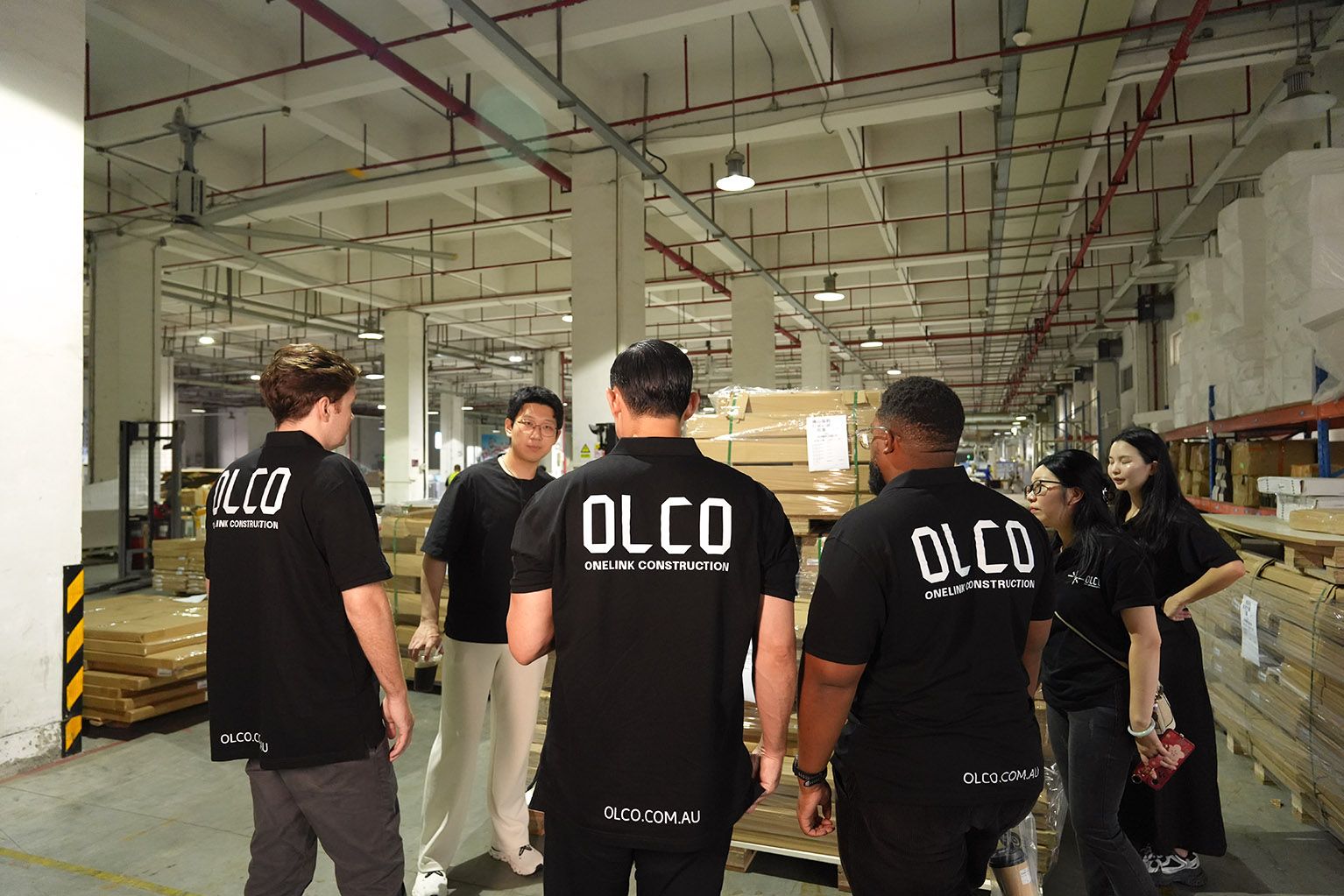
4.1 Purchasing Materials Directly from the Source
Purchasing materials directly from the source provides immediate access and eliminates the added costs associated with middlemen. In the world of construction, time is money, and any unnecessary procurement delays will directly impact the project's bottom line.
When materials are sourced directly, construction companies can benefit from lower pricing, as there are no brokers or additional fees to account for. This approach allows for more transparent negotiations and better control over the procurement process, without the risks of inflated costs arising from ineffective relationships or unreliable sources. Additionally, sourcing factory-direct fosters better collaboration with manufacturers, leading to improved product knowledge and insights into the manufacturing process. Such collaboration can open doors to customized solutions, which are especially beneficial for unique or niche projects.
4.2 Consolidating High-Quality Material Packages
By adopting a strategy that focuses on factory-direct purchasing, contractors can also consolidate high-quality material packages. This consolidation offers numerous benefits, including improved project schedules and reduced costs. For instance, ordering multiple material types from a single supplier can streamline the logistics process, reducing the number of shipments and associated handling fees. When companies utilize resources like OLCO building materials, they can build packages tailored to their project's specific needs, ensuring they have the right materials available at the right time.
Efforts toward consolidation may also translate to stronger relationships with suppliers. When companies commit to consistent orders, they can negotiate preferred pricing and other terms that benefit their overall procurement process. Discover our full supply capabilities across core trades, including certified structural steel packages.
5. Frequently Asked Questions Regarding Lead Time Operations (FAQ)
Understanding the nuances of lead time operations is essential for navigating the complexities of the construction supply chain effectively. Here are some frequently asked questions related to procurement delays and how to actively manage lead time.
How does an OLCO factory direct procurement model minimize freight handling delays inside modern building materials logistics?
The OLCO factory direct procurement model eliminates Several bottlenecks commonly associated with traditional sourcing methods. By working closely with manufacturers, unnecessary steps in the supply chain are removed, resulting in quicker turnaround times. Moreover, logistics operations become more streamlined, allowing for the direct delivery of materials to construction sites. Incorporating technology into logistics management can further enhance operational efficiency. This can involve tracking orders through real-time data analytics and adjusting transportation logistics dynamically to prevent delays. Such responsiveness allows construction companies to meet commitments to timelines while consistently optimizing their procurement process.
What strategic measures does an OLCO wholesale construction supply partnership use to protect high-density project timelines?
An OLCO wholesale construction supply partnership prioritizes effective project management. By utilizing forecast data, such partnerships establish schedules aligned with market demands, ensuring that materials are available when needed. Contingency plans are also developed, allowing for quick adjustments should any delays arise. Furthermore, having an established network provides security and redundancy during the procurement process. In light of unforeseen challenges, reliable partnerships ensure that alternative solutions are readily accessible, positioning projects for success even when unpredictability enters the equation.
Why is aligning with an integrated direct supply chain developer like OLCO construction the most effective defense against budget inflation caused by material delays?
Aligning with an integrated direct supply chain developer like OLCO construction offers contractors a strategic advantage over competing sourcing models. The streamlined procurement process implementationalized by OLCO ensures that projects can be executed on time without disruption, preventing budget inflation. Moreover, comprehensive support throughout the supply chain means that any price increases can be managed more effectively. When direct relationships with manufacturers are leveraged, there's greater control over costs and project value is maintained.
6. Conclusion

In conclusion, the financial dynamics surrounding procurement delays in construction projects can be staggering, but they are not insurmountable. By implementing advanced sourcing strategies, leveraging direct supply chains, and understanding the metrics that matter, companies can dramatically improve their prospects for staying within budget. Aligning with reliable partners such as OLCO construct equips firms with the tools to navigate the challenges of modern construction logistics effectively. Ultimately, through careful management of lead time and strategic sourcing decisions, contractors can achieve measurable Project Cost Optimization while safeguarding their financial resources and delivering projects on time.




 Read more