

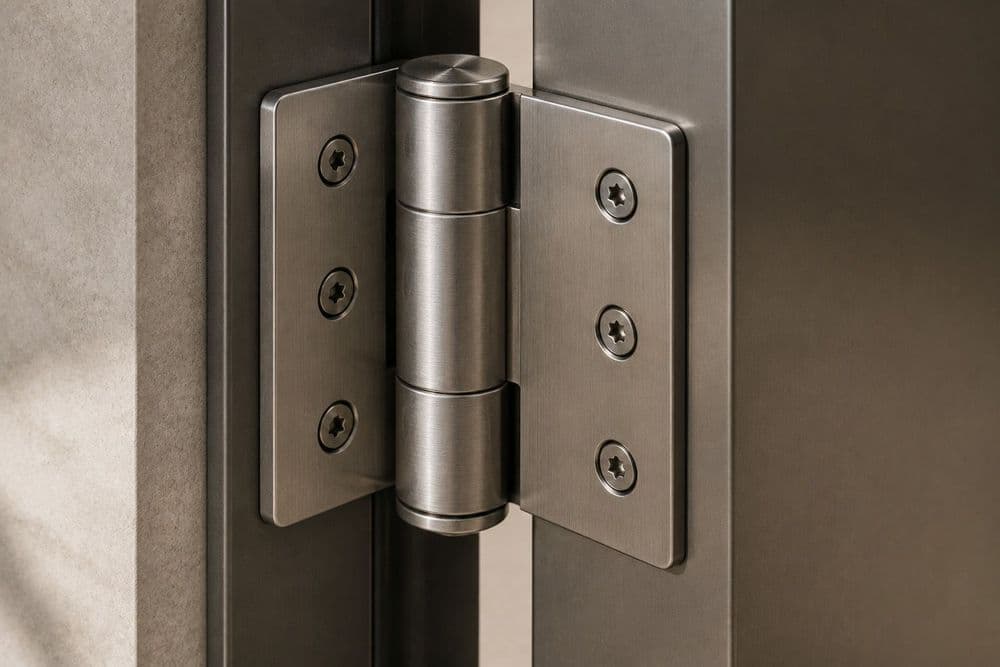
When it comes to the construction and design of commercial doors, the selection of appropriate hardware is crucial. Among the most vital components are the heavy-duty hinges and door rollers, which directly influence the performance, safety, and durability of these entries. Understanding the load-bearing demands and safety standards that govern these commercial doors can provide guidance for architects, builders, and contractors alike. In this article, we will delve into the intricacies of load-bearing specifications, the technical standards for heavy-duty hinges and rollers, and the importance of quality assurance in ensuring longevity and safety.
1. Navigating Load-Bearing Demands and High-Traffic Safety in Commercial Door Design
The significance of load-bearing capacity in commercial door design cannot be understated. As businesses expand their operations and utilize larger entries, the hardware selected must be able to accommodate increased traffic and conditions. The heavy-duty hinges and rollers must provide stability and seamless operation, ensuring that commercial doors function correctly, even in high-traffic scenarios.
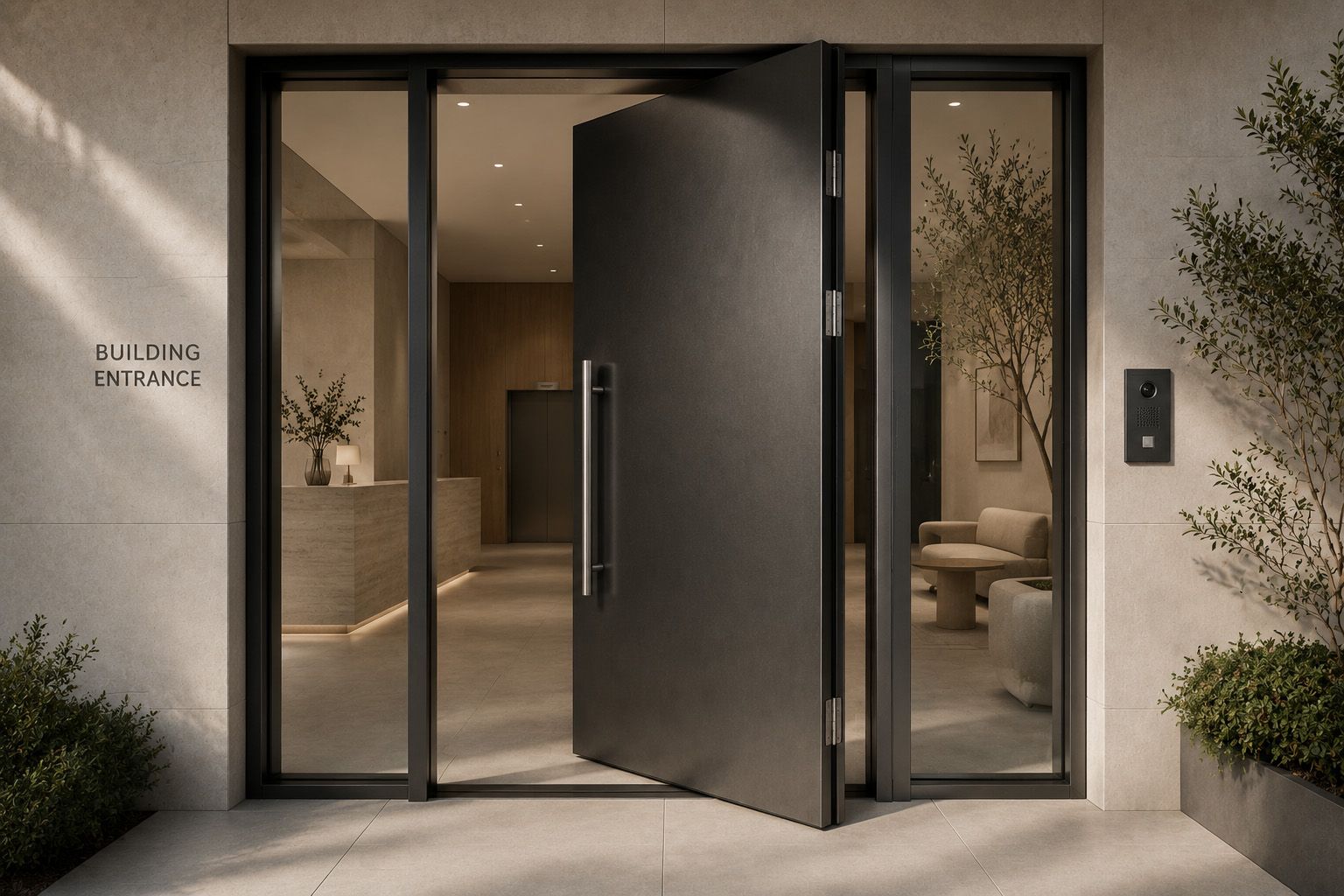
Heavy-duty hinges are engineered to handle significant weight loads while promoting durability, especially in settings where doors are opened and closed frequently. From glass fronts in retail to heavy warehouse doors, the underlying engineering must account for continuous usage and environmental factors. Specific materials like stainless steel are often utilized, offering resistance against corrosion while maintaining strength.
Traffic flow is also a critical aspect of commercial spaces. In environments such as hospitals, schools, and retail stores, directing foot traffic effectively while ensuring safety is paramount. The choice of commercial hardware needs to promote not only efficient movement but also hazard prevention. Concepts like egress compliance become crucial; they ensure that doors can be exited rapidly in emergencies without hindrance, thereby providing a robust safety net for building occupants.
1.1 Understanding Load Ratings
When specifying heavy-duty hinges, the max leaf load rating must be calculated thoroughly. This involves taking into account the weight of the door, additional loads from accessories such as locks and handles, and usability factors such as users' operating conditions. Ratings are essential as they dictate the performance and reliability of the door hardware. For example, a heavy-duty hinge with a higher load rating will withstand the daily rigors of heavy use, which is a significant consideration in commercial environments.
1.2 Safety Considerations in Design
Incorporating safety features into commercial door design is not just about hardware; it extends to the overall design strategy. Design considerations should include visibility through windows, the height and width of door frames, and the materials used in construction. With OLCO construct referencing load-bearing specifications, it's vital to consult the specifics of the project, ensuring compliance with national and local building codes and standards.
Quality and material integrity play a large role in the safety of commercial doors. Not just reliant on the installation, the characteristics of the OLCO building materials used directly impact safety outcomes. OLCO construction utilizes advanced techniques and quality-grade materials that bolster the structural integrity of commercial doors and ensure compliance with load-bearing standards.
2. Technical Specification Standards for Heavy-Duty Door Rollers and Hinges
The technical specifications that govern heavy-duty door rollers and hinges are stringent. Compliance with these standards guarantees that the hardware will perform as expected in commercial settings. These specifications highlight hardware engineering and necessary system integration to facilitate optimal functionality.
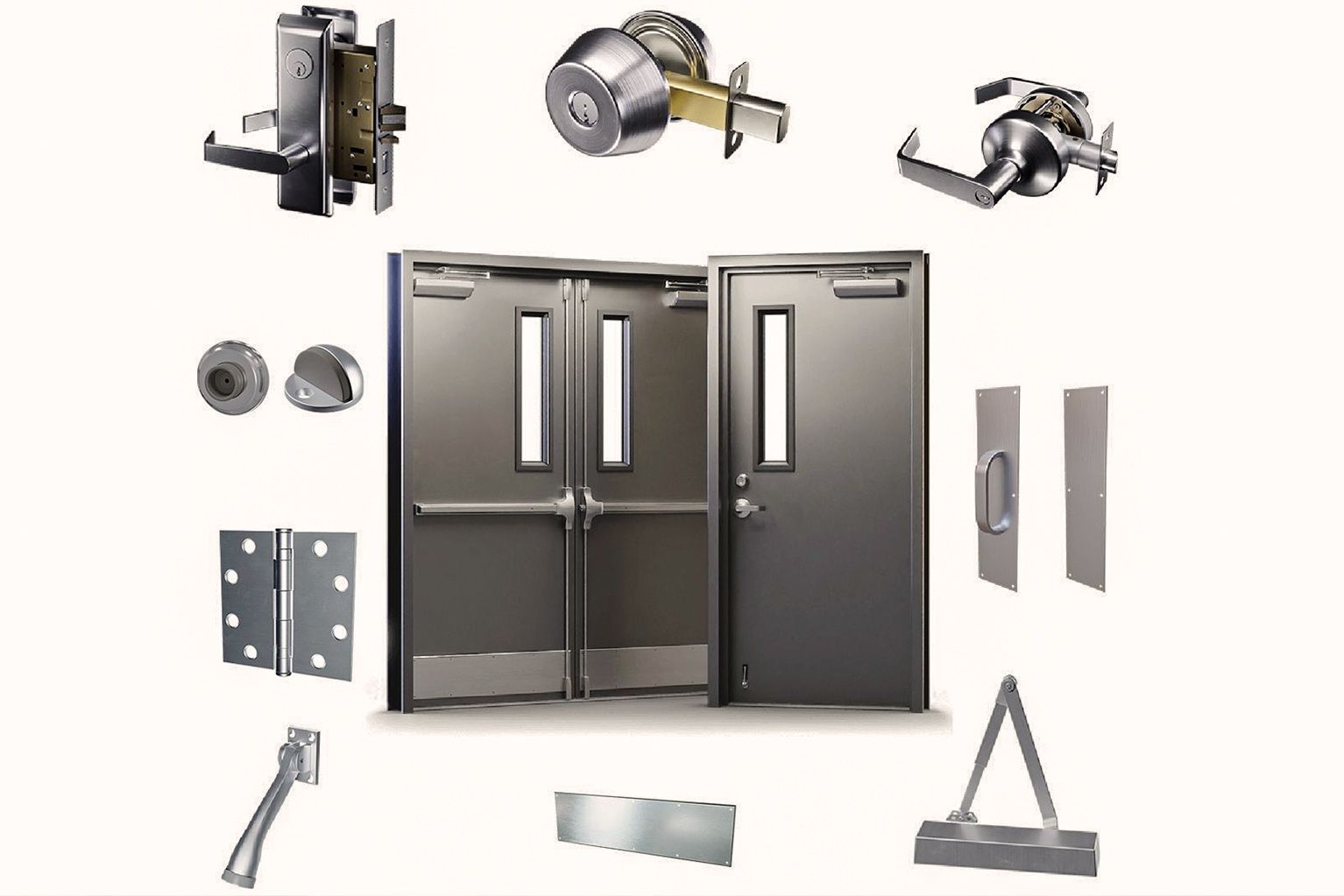
2.1 Hardware Engineering
The engineering of heavy-duty door hardware has evolved significantly over the years to meet the increasing demand for robust solutions in commercial doors. Innovations in design allow manufacturers like OLCO architectural hardware to deploy materials that enhance strength and performance, such as high-grade steel alloys or advanced composites.
It's essential to ensure that the engineering meets industry standards like ANSI (American National Standards Institute) and BHMA (Builders Hardware Manufacturers Association), which outline specific tests and performance metrics. These standards necessitate rigorous testing and assessment during the fabrication of heavy-duty hinges and rollers, ensuring they meet the demands of high-traffic environments.
In addition, the incorporation of advanced technologies allows for smoother operation and better durability. For instance, utilizing precision engineering techniques for the fabrication of door rollers can significantly reduce wear and tear over time, thereby extending the product's lifecycle and minimizing maintenance requirements.
2.2 System Integration
System integration is vital to the efficacy of heavy-duty door hardware. The relationship between hinges, rollers, and the door itself must be harmonious, ensuring that each component complements the other. For instance, when the rollers and hinges are compatible with the door's weight and size, they can operate smoothly without failure.
It is also important to consider the connection between the door and its frame, as this will heavily influence overall performance. Misalignment can lead to premature failure of hardware or damage to the door itself, which is why proper installation and integration with established systems are critical. Collaboration between architects, builders, and hardware suppliers like those from the OLCO building materials line can result in optimal specifications that meet industry demands.
>> See more: Scratch and Stain Resistance: Technical Proof Behind OLCO Premium Kitchen Benchtops
3. Performance Matrix: Heavy-Duty Commercial Hardware vs. Standard Residential Components
When assessing commercial door hardware, a performance matrix can provide invaluable insights into how heavy-duty hardware stacks against standard residential components. Evaluating metrics such as maximum leaf load rating, cycle durability threshold, salt spray corrosion resistance, and fire-rating compliance highlights the significant differences.
| Evaluation Metrics | Residential-Grade Hardware | Uncertified Imported Hardware | OLCO Heavy-Duty Commercial Hardware |
| Maximum Leaf Load Rating | Designed for light residential doors with limited load capacity. | Load capacity may vary and is often unsupported by verified testing. | Engineered to support heavy commercial doors with verified load performance. |
| Cycle Durability Threshold | Suitable for low-frequency residential use. | Durability is inconsistent due to limited quality verification. | Designed for high-cycle commercial environments with rigorous durability testing. |
| Salt Spray Corrosion Resistance | Basic corrosion protection for indoor residential applications. | Corrosion resistance may be inconsistent or undocumented. | Tested for demanding environments, including coastal and high-humidity conditions. |
| Fire-Rating Compliance | May not satisfy commercial fire safety requirements. | Certification is often unavailable or incomplete. | Supports applicable commercial fire-rating requirements with verified documentation. |
| Quality Certification | Limited to residential product standards. | Documentation may be incomplete or unavailable. | Supported by comprehensive testing and certification records where applicable. |
| Reliability in High-Traffic Applications | Not intended for continuous heavy use. | Performance can be unpredictable under heavy traffic. | Optimized for demanding commercial environments and frequent operation. |
| Expected Service Life | Suitable for standard residential usage. | Varies depending on manufacturing quality. | Designed for long-term durability under intensive commercial operation. |
| Recommended Application | Homes and light residential projects. | Budget-sensitive projects with limited performance requirements. | Commercial buildings, public facilities, hospitals, schools, and high-traffic developments. |
4. Fire Safety Standards and Life-Safety Egress Compliance in Commercial Door Systems
In the realm of commercial door design, adherence to fire safety standards is an uncompromising necessity. Proper specification of heavy-duty hinges and rollers must consider not only their functionality but also their role in life safety scenarios like fire egress.
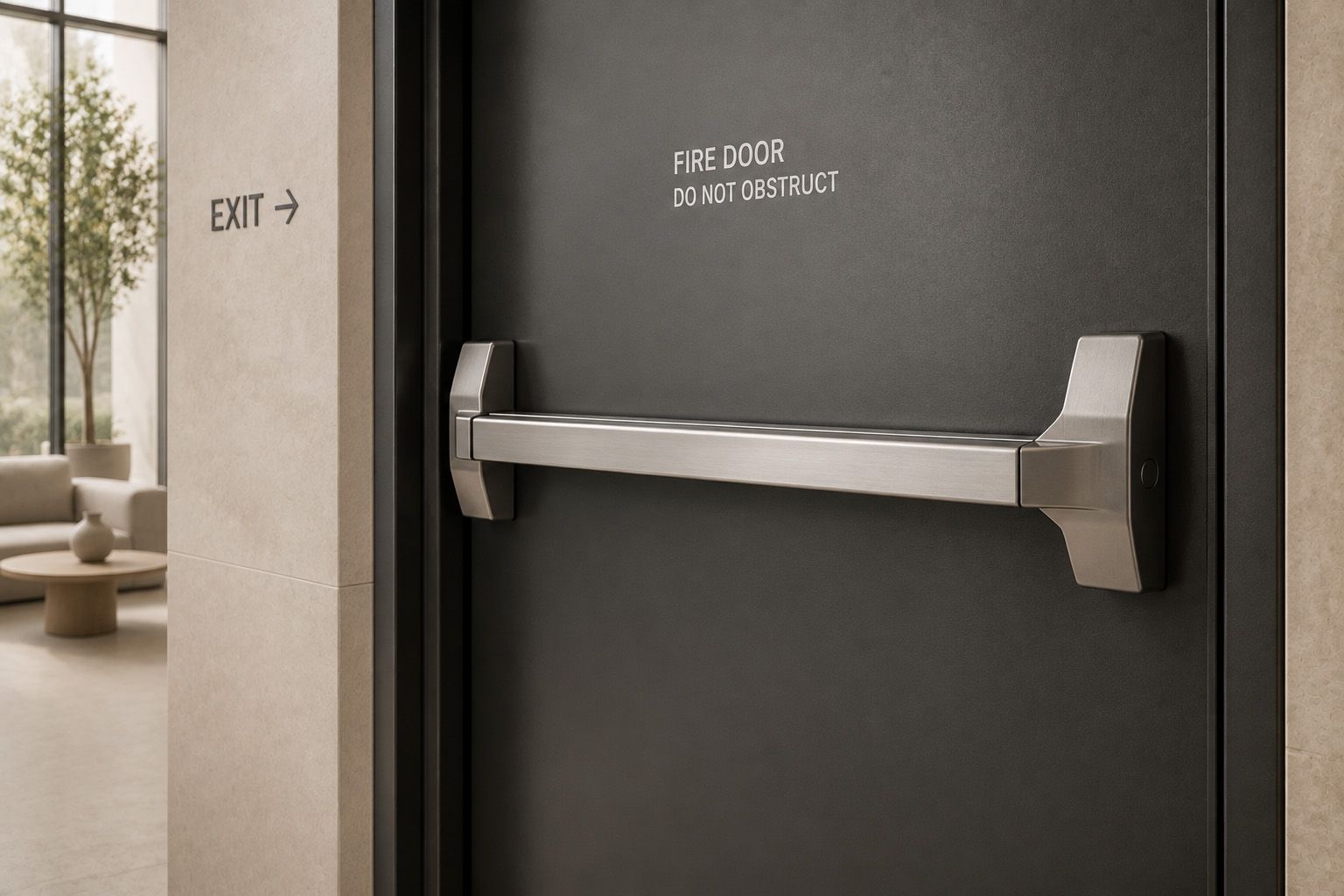
4.1 Fire Safety Mandate
The fire safety mandate specifies that commercial buildings must have doors and hardware that meet fire rating requirements. Often dictated by local codes, these regulations ensure that doors can withstand specific temperatures for a determined duration before yielding or failing.
In the event of a fire, doors equipped with proper hardware must remain closed to contain flames and smoke. Doors with fire ratings are tested in controlled environments, taking into account the materials used and the performance of hardware components like door rollers and hinges. Failure to comply with these mandates can lead to severe legal and financial repercussions for building owners and contractors. As such, it's imperative to select commercial door hardware that has been certified for fire safety, ensuring occupant safety without compromising the structural integrity of the building.
4.2 System Synergy
The concept of system synergy deals with the way various components in fire safety combine to provide an effective safety barrier. It's not enough for a door to simply be fire-rated; all elements, from the hinges to the locking mechanisms, must coherently work together.
For example, a fire-rated door must have appropriately rated hinges; otherwise, the door can become dislodged during a fire, defeating the purpose of the barrier. Engaging with comprehensive systems like OLCO windows and doors systems guarantees that all components work in concert to achieve compliance and safety. Ultimately, collaboration between manufacturers, architects, and safety personnel will ensure that commercial door hardware surpasses the required standards, notably with OLCO architectural hardware and other industry standards providing a solid foundation for compliance.
5. How Rigorous Factory Quality Control Secures Full Traceability and Hardware Durability
Quality control is the backbone of the manufacturing process, especially for hardware designed exclusively for commercial applications. OLCO quality control offers an in-depth look into how rigorous factory practices secure durability and performance across its product line.

5.1 Strict Oversight
Strict oversight during manufacturing ensures that every piece of hardware adheres to high standards of quality and performance. From the sourcing of raw materials to the final stages of production, every component must undergo strict testing protocols. This oversight includes ensuring that materials used are both durable and appropriate for their intended application. For instance, heavy-duty hinges composed of low-quality metal may rust or wear prematurely, leading to premature hardware failure. By emphasizing strict controls, OLCO architectural hardware focuses on delivering products that meet long-term performance expectations in any commercial environment.
5.2 Compliance Assurance
Compliance assurance refers to the methods employed to guarantee each piece of hardware meets specific, documented standards. For OLCO windows and doors, this involves comprehensive evaluations against local fire codes, load requirements, and durability thresholds. These certifications provide peace of mind for contractors and builders, allowing them to specify commercial hardware that they know will perform adequately throughout their expected lifespans. In summary, stringent quality control measures create full traceability of materials and processes that culminate in products designed for performance and reliability. This ensures that through continuous assessment and improvement, long-lasting relationships can be built with clients, making OLCO building materials a trusted choice in commercial hardware.
6. Frequently Asked Questions Regarding Heavy-Duty Commercial Hardware Specification (FAQ)
How do specifiers calculate total load criteria when selecting heavy-duty hinges for oversized commercial doors?
Calculating total load criteria involves assessing both the weight of the door and any additional components attached to it, then comparing these figures against the load ratings provided by the heavy-duty hinges being considered. Using advanced engineering principles and consulting manufacturers' specifications can yield accurate results that prevent future complications.
What makes OLCO quality control testing essential for heavy-duty door rollers and hinges in high-traffic applications?
Quality control testing from OLCO construction ensures that every piece of hardware can withstand the rigors of commercial use and adhere to defined safety protocols. By prioritizing performance metrics and safety compliance, these testing procedures create peace of mind for builders, knowing their installations are secure and reliable. This is critical in high-traffic applications where potential failures could severely impact safety.
How do OLCO architectural hardware lines integrate with OLCO windows and doors systems to meet commercial door hardware standards?
Integration of OLCO architectural hardware lines with the OLCO windows and doors systems is designed to optimize performance and safety. The products are manufactured to work together seamlessly, allowing for a unified approach to design and functionality. This holistic strategy is crucial in meeting local building codes and ensuring a consistent appearance and function across all entrypoints.
7. Conclusion: Securing Long-Term Structural Safety and Lifecycle Savings with Certified Hardware
In conclusion, selecting the right hinges and rollers for commercial doors is critical for ensuring both load-bearing stability and compliance with safety standards. The significance of proper specifications, stringent quality control, and compliance with regulations cannot be overstated. By utilizing reputable sources like OLCO construct, builders can confidently navigate the complexities of commercial hardware specification. This leads not only to enhanced safety for occupants but also supports long-term lifecycle savings through durability and performance assurances. The integration of superior engineering practices and material choice from OLCO building materials conveys an unwavering commitment to quality that resonates throughout any commercial construction project. Discover how these high-load hardware solutions perform in completed commercial projects across our Case Studies & Portfolios.





 Read more