

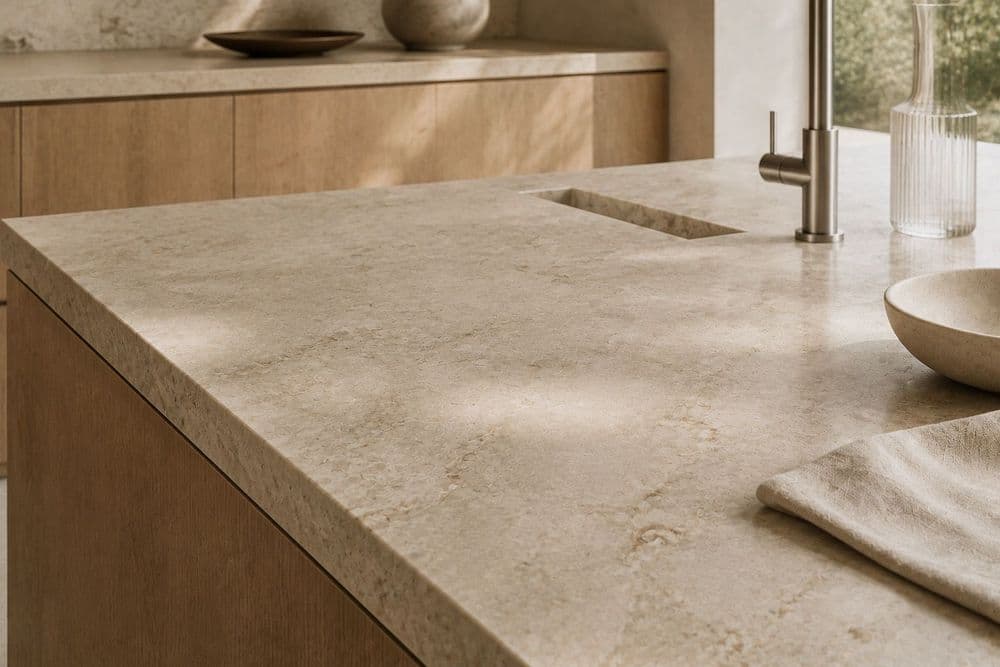
The contemporary kitchen space necessitates not only aesthetic appeal but also functional integrity. OLCO Construct stands as a testament to this requirement, merging elegance with resilience in kitchen benchtops crafted for enduring kitchens.
1. Navigating Surface Wear and Abrasion Resistance in Modern Kitchen Projects
As homeowners continue to seek an ideal balance between beauty and functionality in their kitchen spaces, the importance of surface wear and abrasion resistance has become increasingly pronounced. The kitchen, being a hub of activity, faces a myriad of challenges, including heat, spills, and mechanical wear from daily use.
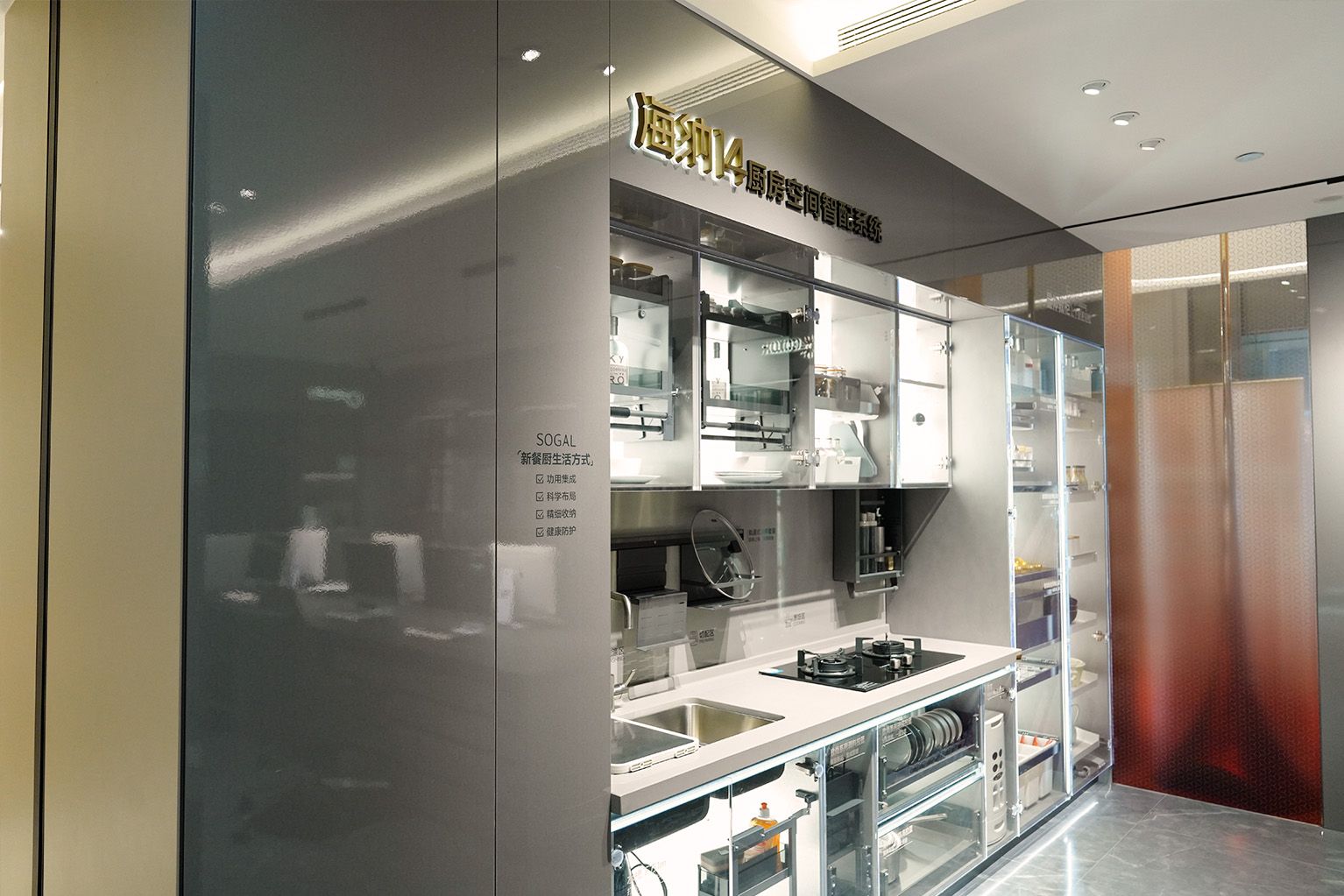
Modern OLCO building materials are engineered to resist these challenges. Choosing the right benchtop material not only influences the kitchen’s aesthetics but also affects its longevity and maintenance needs. Whether preparing a family meal or entertaining guests, a premium kitchen benchtop should withstand the rigors of daily life while maintaining its pristine appearance. When evaluating options, consumers must consider the material's durability against scratches, stains, and thermal shocks that can occur from hot pots and pans or acidic spillages.
To address these concerns, OLCO kitchen cabinets and benchtops incorporate advanced technologies, ensuring they do not merely serve as functional pieces within a home but also embody resilience and elegance. The potential for everyday wear and tear demands a commitment to quality, which OLCO embodies through carefully selected OLCO cabinetry and engineered surfaces.
2. Technical Evidence of Scratch Resistance via Mohs Hardness Testing
When considering a benchtop’s durability, scratch resistant benchtops are essential. One of the most effective ways to assess scratch resistance is through the Mohs hardness scale, which measures the ability of one material to scratch another based on relative softness or hardness.
2.1 Surface Hardness Evaluation Under the Mohs Scale
The evaluation of OLCO's engineered surfaces under the Mohs scale reveals impressive results, typically ranging between a 6 to 7 rating. Materials rated in this range can withstand most everyday kitchen challenges. Here, the application of Mohs hardness testing serves as a critical aspect in the product design and development process. The practical implications of this hardness mean that basic cooking utensils, such as stainless steel knives or cast iron cookware, will not mar the surface of OLCO benchtops, ensuring that they remain visually appealing even after extensive use. However, customers should recognize that while the harder the benchtop, the less prone it is to scratches, it is always prudent to utilize cutting boards for food preparations to maintain the surface in optimal condition.
2.2 High-Density Vacuum Compacting Engineering
Complementing the Mohs hardness evaluation is the advanced engineering technique known as high-density vacuum compacting. This process ensures that each benchtop is manufactured with consistent density and minimal voids, contributing to its overall durability.
Through high-density vacuum compacting, the resulting material achieves enhanced resistance not just to scratches but also to potential impacts or pressure loads. Consequently, homeowners can have confidence in the resilience of their OLCO kitchen cabinets and benchtops against the unpredictable environments of modern culinary spaces. The engineering behind this technology is a hallmark of OLCO's commitment to producing premium kitchen benchtops that resist the rigors of daily use while delivering superior performance.
3. Non-Porous Surface Mechanics and Chemical Stain Barrier Performance
In addition to scratch resistance, stain resistance is crucial for any premium kitchen benchtop. A non-porous surface effectively prevents liquid penetration, providing an added layer of defense against staining substances typically found in a kitchen environment.
3.1 Ultra-Low Water Absorption Eliminating Permanent Stains
The stain resistant benchtops from OLCO are engineered with an ultra-low water absorption rate. This characteristic is vital, as it means that beverages or food spills do not have the opportunity to penetrate the material and cause stains that could lead to permanent discoloration. Through rigorous testing, OLCO reveals that its surfaces absorb minimal moisture, ensuring that any liquid spills can be easily wiped away without compromising the integrity of the benchtop. This creates a hygienic surface ideal for food preparation, leveling up the food safety aspect of a kitchen environment. Furthermore, the design philosophy behind these surfaces not only focuses on practical needs such as stain resistance but also aesthetic considerations. Clean lines and smooth finishes are key to the visual appeal of OLCO kitchen cabinets paired with these remarkable benchtops.
3.2 Food Acid and Household Chemical Resistance
In kitchens, not only must surfaces resist stains from liquids, but they must also endure the occasional acidic food or harsh household cleaning chemicals. The formulation of OLCO surfaces extends their capabilities to include resistance to such substances. Food acids commonly found in items such as citrus fruits, vinegar, or tomato sauces can quickly damage inferior surfaces. However, OLCO's premium kitchen benchtops stand resilient against these chemicals, preventing etching or discoloration.
Additionally, the surfaces are designed to withstand various household cleaning agents, ensuring that routine cleaning does not cause wear. Adopting OLCO materials translates to peace of mind, allowing homeowners to freely engage in culinary creativity without the worry of damaging their surfaces. Explore our Case Studies & Portfolios to see how these durable surfaces perform in real-world residential projects.
4. Performance Matrix: OLCO Engineered Surfaces vs. Conventional Countertop Materials
Considering the competitive landscape of kitchen surfaces requires a comprehensive performance matrix to understand how OLCO engineered surfaces uphold their reputation compared to conventional countertop materials.
Metrics evaluate include Mohs surface hardness, water absorption rate, thermal shock tolerance, and chemical resistance ratings based on ISO standards, providing a clear picture of the practical advantages of using OLCO materials over standard options.
Performance Metric | Natural Marble | Generic Quartz | OLCO Engineered Surfaces |
| Mohs Surface Hardness | Softer surface with lower scratch resistance. | More durable than marble but varies by manufacturer. | Typically achieves 6–7 on the Mohs scale, providing excellent scratch resistance for daily kitchen use. |
| Water Absorption Rate | Higher porosity increases the risk of moisture penetration, staining, and long-term damage. | Lower absorption than marble but performance depends on product quality. | Ultra-low water absorption rate minimizes staining, moisture damage, and maintenance requirements. |
| Thermal Shock Tolerance | Susceptible to cracking or damage when exposed to sudden temperature changes. | Better heat resistance than marble but may still be affected by extreme temperature fluctuations. | Excellent resistance to thermal shock, helping prevent cracking and deformation under changing temperatures. |
| Chemical Resistance Rating (ISO Standards) | Vulnerable to acids, harsh cleaning products, and chemical stains. | Moderate chemical resistance with limitations depending on the resin composition. | High chemical resistance based on ISO testing, allowing safe use with common household cleaning products. |
| Durability & Longevity | Elegant appearance but requires regular sealing and maintenance to preserve performance. | Good durability for residential kitchens but may have limitations under intensive use. | Combines high durability, low maintenance, and long-term structural performance for demanding kitchen environments. |
| Overall Performance | Premium appearance but higher maintenance requirements and lower durability. | Balanced option offering moderate durability and performance. | Delivers superior durability, moisture resistance, thermal stability, and chemical resistance while maintaining a premium aesthetic, making it a benchmark for modern kitchen benchtops. |
5. Structural Synergy: Integrating Benchtops with Project Cabinetry Systems
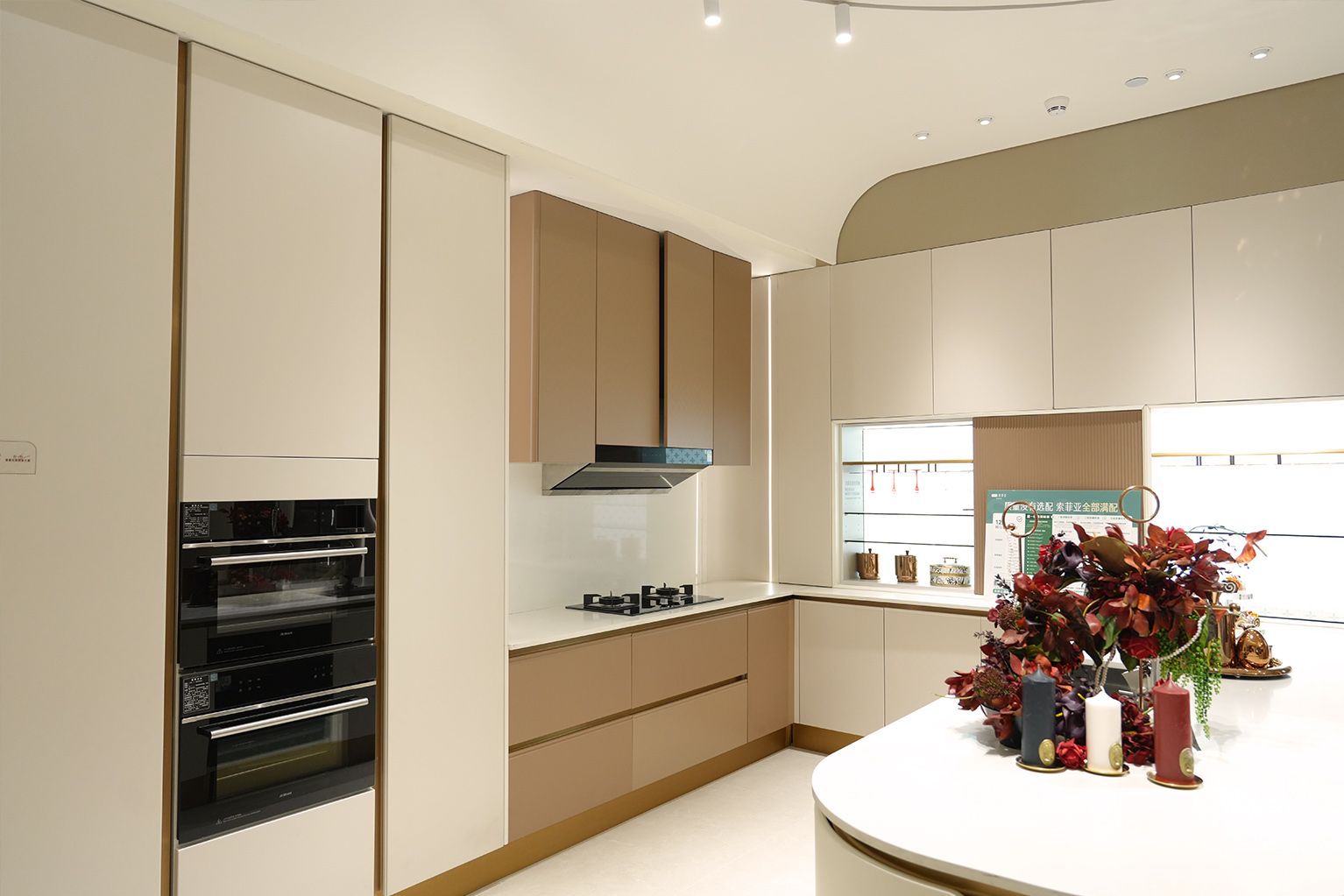
The brilliance of OLCO lies not only in the individual merit of their benchtops but also in their ability to create structural synergy with olco cabinetry. This integration results in a cohesive kitchen environment, both structurally and aesthetically.
5.1 Load-Bearing Distribution Across Sub-Cabinet Frameworks
One of the key components of ensuring that a benchtop remains stable and functional over time is its load-bearing capacity. OLCO benchtops have been designed to distribute weight effectively across the sub-cabinet frameworks, ensuring stability under heavy loads such as appliances, cookware, and food prep activities. This integration permits homeowners to confidently place heavy items on their countertops without fear of warping or sagging. Given the modern kitchen's dynamic nature, the need for a functional, load-resistant surface is paramount, and OLCO products meet and exceed these expectations seamlessly.
5.2 Micro-Joint Precision for Hygienic Seamless Design
Hygienic design is a significant aspect of modern kitchen planning, and OLCO achieves this through micro-joint precision, which offers a seamless finish between cabinetry and benchtops. Such attention to detail not only elevates the kitchen's visual appeal but also minimizes gaps and crevices where dirt and bacteria can thrive. This seamless interaction encourages regular cleaning and maintains sanitary conditions, facilitating coverage against spills and contaminants. The expertise employed in designing the elegant junction between cabinets and benchtops showcases OLCO's commitment to holistic kitchen solutions that encapsulate beauty, hygiene, and functionality.
6. Factory Quality Control Standards Securing Food-Grade Safety Certifications
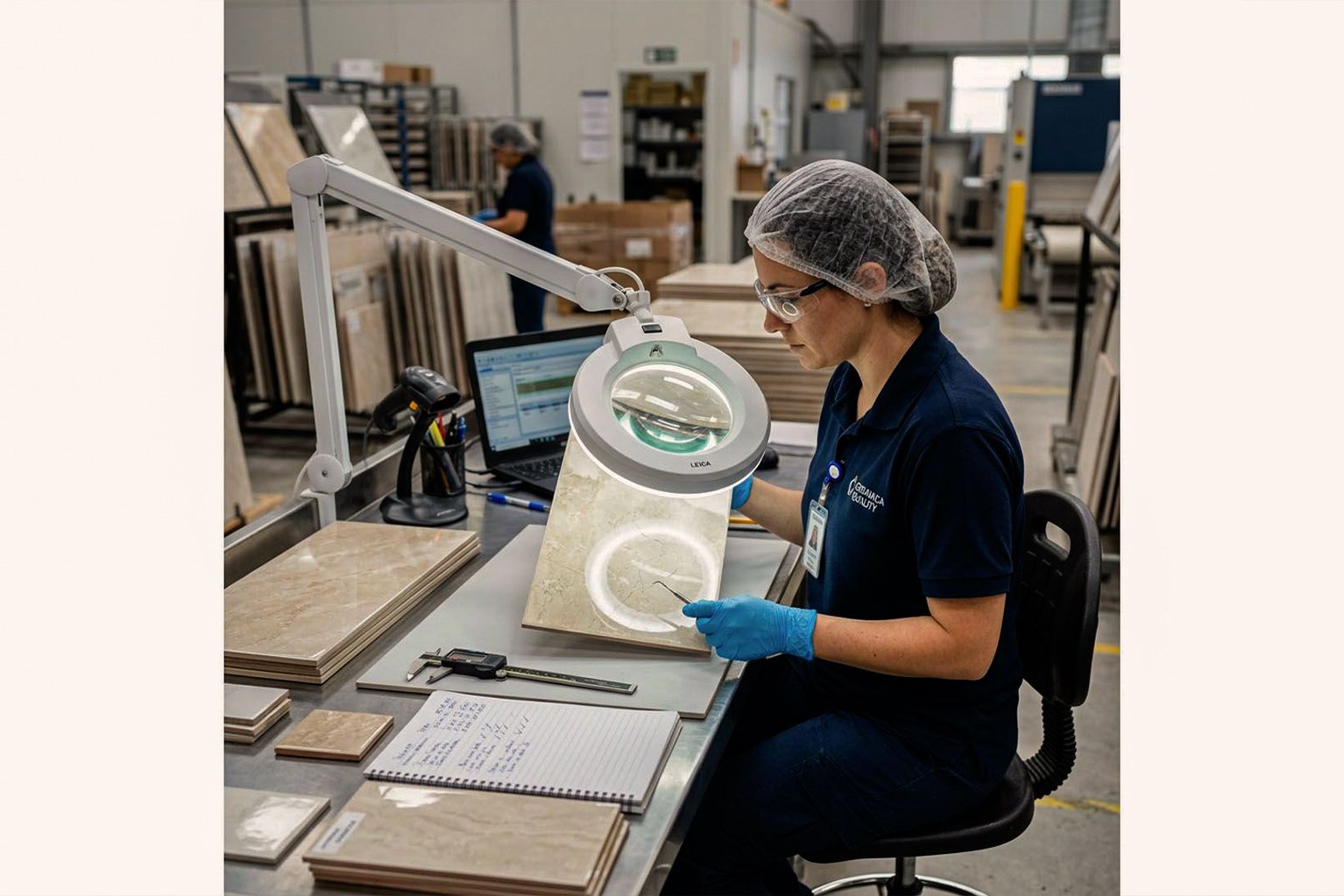
Ensuring that OLCO's engineered benchtops meet high-quality and safety standards is pivotal for customer confidence. This adherence is bolstered by a rigorous factory quality control process that guarantees that every piece produced is up to standard.
6.1 Multi-Stage Factory Testing Audits
Through multi-stage factory testing audits, OLCO evaluates every aspect of their products, from the raw materials used to the final product's performance metrics.
Each test undertaken is designed to assess durability, finish quality, and overall reliability, ensuring that the products delivered align with the stringent expectations consumers have in a kitchen setting. Moreover, these challenging factory assessments provide OLCO with invaluable data to continuously improve their offerings, guaranteeing customers receive a product that is not only visually striking but also bolstered by technical resilience.
6.2 Traceability and Lab Test Documentation
In the realm of OLCO quality control, traceability plays an essential role. Every component of OLCO benchtops can be traced back through the manufacturing process, ensuring that suppliers adhere to OLCO's rigorous standards.
Lab test documentation provides customers undeniable confidence in the safety and performance of their products. This transparency enhances trust between the brand and consumer, demonstrating OLCO's commitment to product excellence while ensuring compliance with food-grade safety certifications that are non-negotiable in kitchen environments.
>> See more: Understanding the NCC: How OLCO Ensures Materials Meet Australia’s National Construction Code
7. Frequently Asked Questions Regarding Heavy-Duty Benchtop Specification (FAQ)
How does a 6-7 Mohs rating on scratch resistant benchtops translate to daily kitchen usage?
A 6-7 Mohs rating indicates a robust level of hardness, thus providing a daily kitchen usage benchmark that effectively resists scratching. Most kitchen utensils fall beneath the hardness of OLCO's surfaces, meaning they perform exceptionally well against regular wear. While this rating signifies a capacity for scratch resistance, it is advisable to still use cutting boards and take care with particularly rough utensils to maintain pristine aesthetics.
Why are stain resistant benchtops from olco building materials superior to natural stone?
The stain resistance of OLCO's benchtops comes from their non-porous construction, making them significantly less prone to staining compared to porous natural stones like marble or granite. While natural stone offers beauty, it is more vulnerable to staining from acidic materials and has higher maintenance requirements. OLCO products remain flawless with minimal effort, making them a practical choice for the modern kitchen.
How does OLCO quality control guarantee seamless compatibility between OLCO kitchen cabinets and benchtop assemblies?
OLCO’s quality control ensures that both their cabinetry and benchtops are manufactured under the same stringent standards and specifications. This synchrony allows for a seamless integration that minimizes gaps and promotes durability. By engaging in thorough testing, and maintaining traceability, OLCO guarantees that every product fits together perfectly, both functionally and aesthetically, creating a cohesive kitchen design that stands the test of time. To discuss custom joinery and surface solutions for your next project, Contact our technical team today.
8. Conclusion
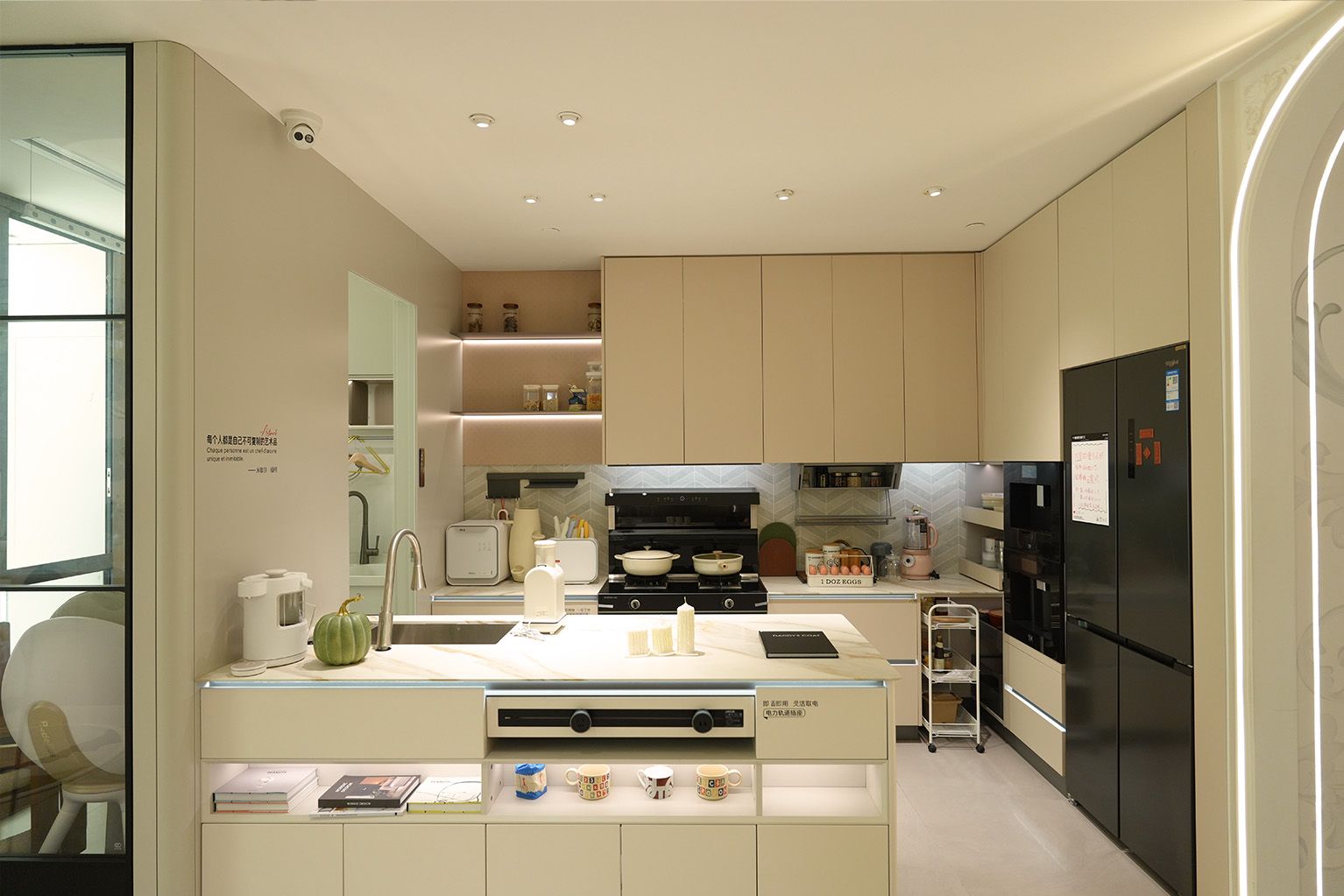
In summary, the OLCO premium kitchen benchtops set an exceptional industry standard in durability, with technical proof backing their claims of scratch and stain resistance. The intricate engineering that resists wear while integrating seamlessly with OLCO cabinetry showcases a commitment to quality and innovation. With detailed attention to factors like Mohs hardness, non-porous structures, and rigorous quality control, OLCO products epitomize contemporary kitchen design, ensuring satisfaction for any discerning homeowner seeking aesthetics without sacrificing durability.


 Read more