


In the realm of construction, ensuring that materials adhere to safety and performance standards is paramount. This process is critical in Australia, governed by the National Construction Code (NCC). Understanding how OLCO constructs its processes for material compliance not only highlights the importance of adhering to the NCC but also illustrates OLCO's commitment to quality and safety. In this article, we will explore how OLCO constructs its strategies to meet the stringent requirements of the NCC through its quality assurance processes.
1. What Is the NCC? Defining Australia's National Construction Code Framework
The National Construction Code (NCC) serves as the backbone of Australia's building standards. It consists of a series of performance requirements and guidelines designed to ensure that buildings are safe, accessible, sustainable, and energy-efficient. The NCC is periodically updated to reflect advancements in technology, building practices, and community needs. As the construction landscape evolves, so too does the NCC, responding to emerging issues such as climate change and the need for sustainable building practices. This framework governs everything from fundamental structural elements to compliant interior and exterior finishing materials.
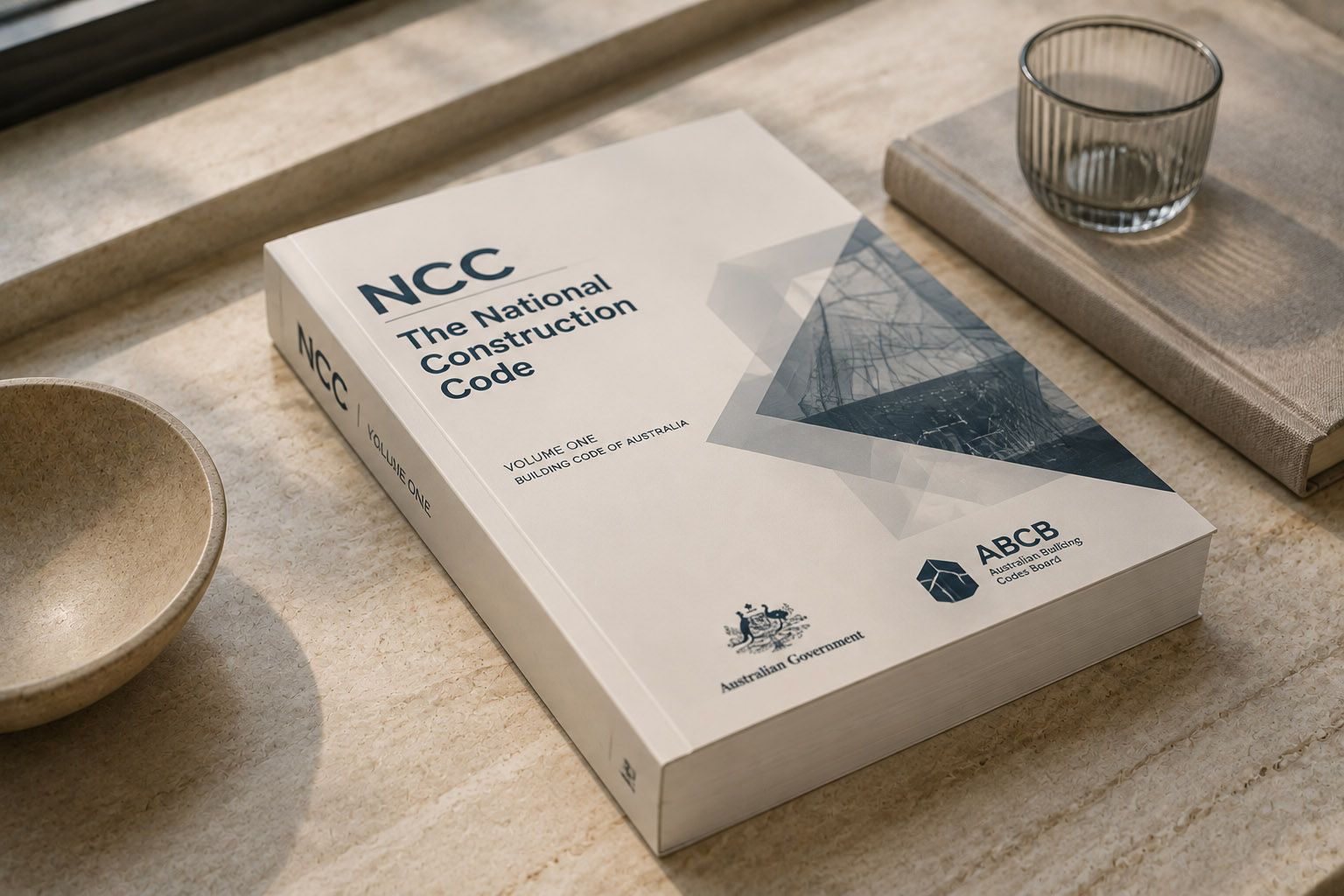
The evolution of the NCC sets a high bar for the procurement process within the Australian market, as developers and builders must remain vigilant in ensuring their materials and practices comply with these established standards. This is where OLCO plays a crucial role, ensuring that every product in its supply chain meets the rigors set forth by the NCC and the Australian building codes.
1.1 The Role of the NCC in Building Safety
The NCC offers a comprehensive approach to building safety by not only setting the standards but also emphasizing the importance of documentation and evidence of compliance. Builders need to furnish proof that their selected materials and construction methods meet these guidelines, creating a framework for accountability and reliability in the construction sector.
1.2 Importance for Stakeholders
For stakeholders, including developers, architects, and engineers, the NCC serves both as a guideline and a legal requirement to follow. Compliance with NCC ensures that projects avoid costly delays and liabilities associated with non-compliance, thus fostering a culture of trust within the industry.
1.3 OLCO’s Commitment to Meeting NCC Requirements
At OLCO, understanding the NCC and its requirements is more than just a compliance checkbox it forms the foundation of their operational philosophy. Through rigorous assessments and a dedicated team to manage compliance, OLCO ensures that its OLCO building materials meet the NCC standards, guaranteeing safety and quality in all construction projects.
2. Pressure to Comply with NCC Standards in the Procurement Process for the Australian Market
In today’s highly competitive construction environment, the pressure to comply with the NCC is mounting. The procurement process for construction materials like OLCO construction materials must align with these strict guidelines. Non-compliance can result in severe penalties, project delays, and even jeopardize the safety of the end-users.

The procurement process involves multiple stages, including supplier selection, material evaluation, and rigorous testing. Each of these stages is instrumental in ensuring that the materials align with the performance requirements set out in the NCC. As a result, companies like OLCO are increasingly investing in robust procurement strategies that prioritize compliance at every stage.
2.1 The Impetus for Compliance
Compliance with the NCC is not merely about avoiding fines or legal repercussions; it is a crucial investment in the long-term reputation and sustainability of a construction business. The Australian public demands high standards of safety and productivity from its buildings, and any lapses could result in public outcry or harm.
2.2 Advanced Strategies for Meeting Compliance
OLCO employs advanced strategies to satisfy these compliance requirements, such as adhering to a detailed supplier vetting process, which objectively assesses the ability of suppliers to deliver certified building materials that align with the NCC. Through close collaboration with accredited laboratories and testing facilities, OLCO ensures that all prospective materials undergo rigorous scrutiny before being approved for use in construction.
2.3 Ensuring Quality and Compliance
Furthermore, quality control measures are integral to OLCO’s procurement efforts. Each batch of materials is subject to in-depth inspections to ensure that it not only meets but exceeds the standards outlined in the NCC. This commitment sets the stage for transparent interactions with clients and bolsters OLCO’s standing as a trusted provider of building materials.
3. Deciphering Key NCC Technical Performance Criteria for Commercial Construction Standards
Understanding the specific technical performance criteria laid out in the NCC is vital for any construction company operating in Australia. These performance criteria encompass a range of requirements for structural stability, safety, sustainability, and suitability for purpose. OLCO is proactive in deciphering these criteria to ensure that its OLCO construction materials fully adhere to the standards expected in the industry.
NCC Technical Area | Primary Requirement | Importance for Commercial Construction | How OLCO Supports Compliance |
| Structural Performance | Materials must withstand specified loads, environmental conditions, and potential hazards. | Ensures structural stability, safety, and long-term building performance. | Supplies materials that meet applicable engineering and NCC performance requirements. |
| Fire Safety | Building materials must satisfy relevant fire performance requirements. | Enhances occupant safety and supports regulatory compliance. | Provides products supported by testing and certification where applicable. |
| Accessibility | Construction solutions should comply with accessibility requirements outlined by the NCC. | Improves usability and ensures buildings are accessible to all occupants. | Assists clients in selecting products aligned with accessibility standards. |
| Durability | Materials should maintain performance throughout their intended service life. | Reduces maintenance costs and improves long-term asset value. | Offers durable construction materials designed for demanding commercial applications. |
| Compliance Framework | Compliance may be demonstrated through Performance Solutions, Deemed-to-Satisfy provisions, or a combination of both. | Provides clear pathways for regulatory approval and project certification. | Reviews material specifications against applicable NCC compliance pathways. |
| Training & Education | Ongoing staff education ensures accurate interpretation of NCC requirements. | Improves procurement decisions and project quality. | Invests in continuous NCC training to better support customers and project teams. |
4. Performance Matrix: Fully Certified OLCO Assemblies vs. Non-Verified Imports
The effectiveness of quality controls and certifications can often be quantified through a performance matrix that compares certified assemblies from OLCO with non-verified imports. This analytical approach is essential in demonstrating to stakeholders the advantages of using OLCO building materials.
4.1 Metrics Evaluated
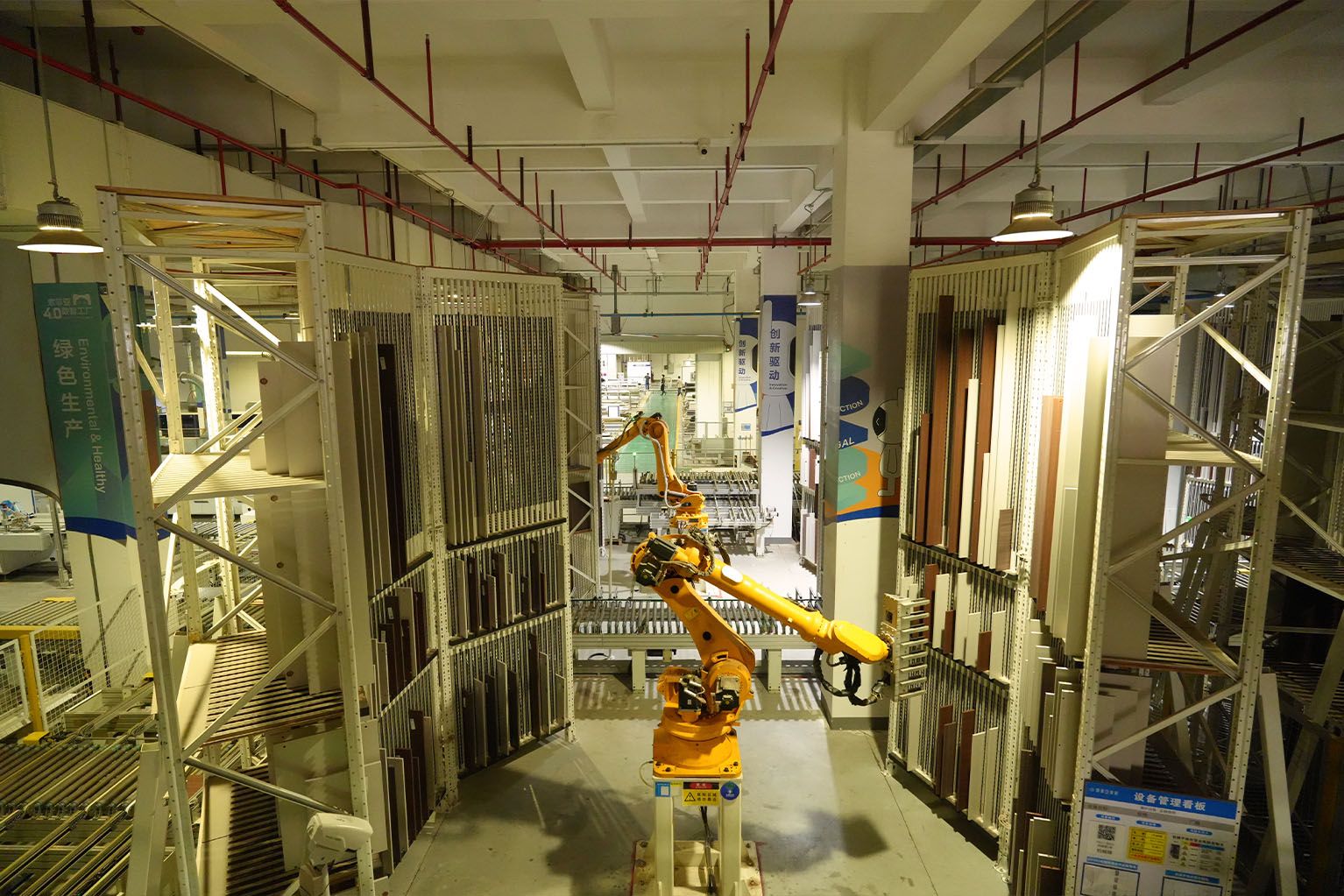
When evaluating performance, several metrics become pertinent, including CodeMark and NATA lab test documentation, certifier rejection risk percentages, structural durability under AS/NZS standards, and the time to approval for materials.
Certified assemblies from OLCO come backed by formal documentation, illustrating how they meet or exceed NCC standards. In contrast, non-verified imports lack such comprehensive verification, which often leads to significant rejection risks at the certification stage.
4.2 Comparing Performance
The difference in structural durability is striking; materials from OLCO not only meet initiate performance criteria but also provide superior longevity due to their rigorous testing and proven reliability. Non-verified imports, on the other hand, often fall short in this area, raising concerns over the safety and stability of structures built using such materials.
4.3 Approval Lead-Time
In terms of approval lead-time, OLCO's materials typically face shorter waiting periods due to their pre-certified status. Conversely, uncategorized imports encounter longer delays related to auditing and testing processes which, while crucial for safety, can impose strain on project timelines.
By comparing these elements, stakeholders can clearly see the added value of trusted sources like OLCO making a compelling argument for the necessity of certified building materials.
>> See more: Load-Bearing and Safety Standards: Specifying Heavy-Duty Hinges and Rollers for Commercial Doors
5. How Rigorous Factory Quality Control Secures Full Traceability and Certification
The significance of factory quality control cannot be overstated. For OLCO, rigorous quality control measures are essential to ensure full traceability and certification of its materials, an ongoing commitment ingrained in its operational ethos. Real-world applications of these verified processes are detailed across our completed Case Studies & Portfolios.

5.1 Audit Protocols
OLCO employs meticulous auditing protocols for all its production processes. Regular internal audits, combined with external audits from accredited third parties, create a robust framework for assessing overall compliance with both the NCC and broader commercial construction standards.
Such frequent checking is not purely bureaucratic, it serves as a mechanism to identify potential improvements, address weaknesses in the supply chain, and ensure that no lapse can occur in quality assurance.
5.2 Traceability Assurance
Traceability is another key aspect of OLCO’s quality control approach. Each component of OLCO construction materials carries the weight of its origin, with a paper trail documenting its journey from raw materials through to delivery. This ensures that in the case of any quality-related issues, OLCO can pinpoint the precise source of the problem and address it directly.
Moreover, traceability is crucial when responding to compliance inquiries or regulatory requirements, ensuring that OLCO can deliver detailed documentation when required for both their own and their client's protection.
5.3 Commitment to Continuous Improvement
The culture of continuous improvement is embedded into OLCO’s quality control strategy. Regular training sessions for staff and material suppliers ensure that everyone involved in the production and sourcing processes is up-to-date on all standards and best practices.
This commitment not only assures compliance but continuously enhances the reliability and attractiveness of OLCO’s product line, further building its reputation for quality and dependability within the Australian construction sector.
6. Frequently Asked Questions Regarding NCC Material Sourcing Protocols (FAQ)
In this section, we address common queries related to the sourcing protocols of materials compliant with the NCC. Ensuring transparency and solid information regarding these protocols helps to foster trust among stakeholders and clients alike.
How do developers verify that imported supplies meet the National Construction Code and broader Australian building codes?
To verify compliance, developers should engage in rigorous vetting of suppliers, including requesting documentation that confirms adherence to the NCC and Australian building codes. Verification often entails examining supplier certifications, quality control records, and conducting site audits when feasible. By ensuring that materials come from certified building materials suppliers, developers minimize the risk of non-compliance and potential liabilities.
How does OLCO quality control ensure continuous OLCO NCC compliance across large-volume orders?
OLCO employs a consistent quality control framework that underscores ongoing compliance with the NCC, especially for large-volume orders. By implementing a rigorous process of sampling, testing, and certification at various stages of production, OLCO ensures that the compliance for each batch of materials remains intact. Regular audits and communication with suppliers complement this strategy to enhance the reliability of procurement.
Are OLCO building materials certified to satisfy stringent commercial construction standards?
Yes, OLCO building materials are thoroughly tested and certified to meet or exceed stringent commercial construction standards. The processes involved in their production and sourcing involve collaboration with testing institutions, thus ensuring a robust compliance framework that aligns with the NCC's guidelines. As a result, OLCO can confidently assure clients of the quality and safety of their materials.
7. Conclusion

OLCO's commitment to ensuring compliance with Australia’s National Construction Code hinges on a thorough understanding of the regulatory frameworks and rigorous internal quality control measures. From the initial stages of material procurement to the implementation of comprehensive audit protocols and traceability assurance, OLCO constructs a solid foundation that champions building safety and reliability. By prioritizing NCC compliance and embedding quality within its practices, OLCO not only meets the demands of the market but also contributes significantly to the sustainability and safety of the Australian construction landscape. Clients can trust in OLCO’s materials, knowing that the processes behind them are strategically aligned with every facet of compliance and quality assurance.





 Read more