

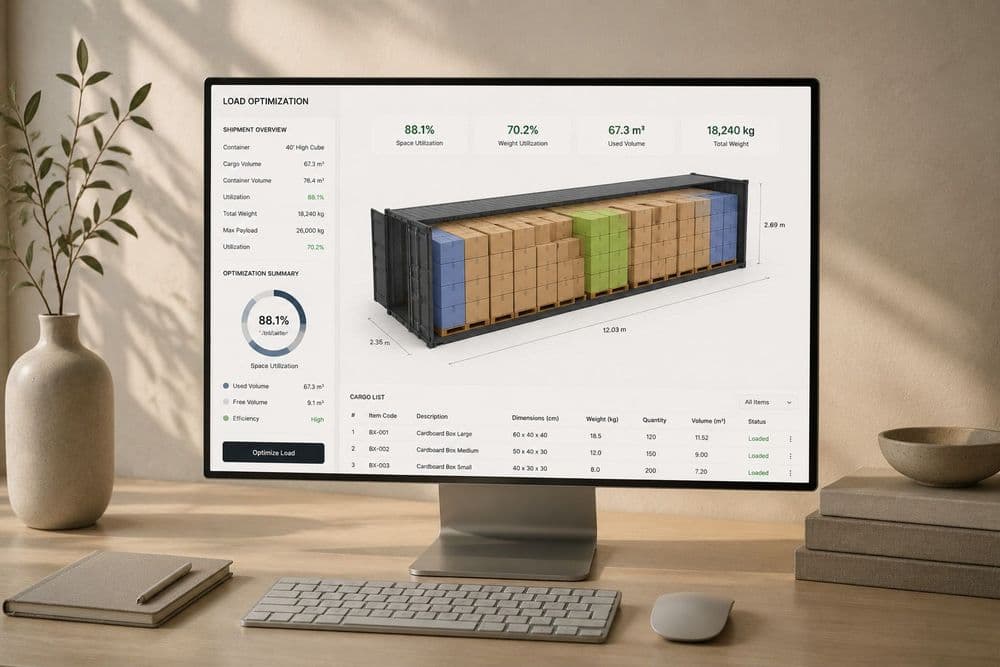
In the competitive construction industry, efficiency and cost savings are paramount. This is particularly true when it comes to shipping, where the use of OLCO construction solutions can significantly enhance logistical performance. With an increasing demand for precision and optimization in logistics, OLCO construction offers innovative approaches to bundling mixed materials which help to save container fees and streamline process in bulk construction logistics.
1. Overcoming Freight Inefficiencies in Bulk Construction Logistics via Mixed Material Bundling
In the quest for smarter logistics, one of the main challenges facing the construction industry is the inefficiencies associated with transporting a variety of materials in bulk. Often, materials are shipped separately, leading to increased costs and wasted space in shipping containers. By employing the technique of bundling mixed materials, the construction process can become significantly more efficient and cost-effective.
Bundling materials involves segregating different construction supplies into organized shipments, allowing for a more cohesive approach. This means that instead of sending out separate shipments for various materials – an example being OLCO building materials, which often includes diverse items like cement, timber, and metals – construction companies can consolidate these into larger, more comprehensive shipments.
The strategy of bundling also enables fewer shipments overall. This not only helps in saving container fees but also streamlining the logistics chain. When fewer units are on the road, it results in a significant reduction in lead time and helps ensure that the scheduled delivery matches the project timelines. Overall, embracing this "smart logistics" methodology enhances operational efficiency, while better management of materials diminishes freight inefficiencies.
2. Precision Stowage and Volumetric Optimization via Factory-Direct Sourcing
A critical component of reducing shipping costs comes from mastering the art of precision stowage and ensuring volumetric optimization through factory-direct sourcing. The practice of sourcing directly from factories, such as OLCO factory direct, allows for more targeted purchasing and logistics coordination. To optimize your next project's supply chain and freight efficiency, please Contact our procurement team today.

When construction materials are sourced and shipped directly from a factory, the potential for optimizing volume and payload becomes significantly enhanced. Stowage needs to be strategic, taking into consideration the dimensions and quantities of materials being shipped to minimize unused space and improve efficiency.
2.1 CBM (Optimizing volume and payload) & Weight Balancing
Cubic meters (CBM) play a vital role in logistics management, particularly when referring to bulk shipments. Effective management of CBM ensures that stress on resources – be it manpower or transport vehicles – remains within limits. By optimizing the volume of materials shipped, companies can dramatically increase the load they carry, which translates to lower costs per unit of material.
Weight balancing is an equally important consideration. Shipping materials that are weight-heavy alongside lighter materials can ensure stability during transport. It minimizes the risk of damage during transit and aids in meeting freight limitations imposed by shipping companies. As a consequence, how OLCO construction materials are combined in a single container can directly impact logistical performance and costs.
2.2 Factory Alignment
To walk the path of efficiency, factories and logistics specialists must maintain a strong alignment throughout the entire process. Factory alignment entails synchronizing manufacturing and shipping operations, which is crucial for facilitating timely shipments.
With OLCO construction materials, which may originate from various manufacturing sites, the importance of precise coordination becomes evident. The nuances involved in aligning production schedules and shipping logistics require meticulous attention to detail. With an integrated system, construction workflows can be optimized, minimizing delays that can ultimately impact costs and project timelines.
3. Logistics Performance Matrix: Factory Bundled Containers vs. Fragmented Shipments
When comparing logistics processes in construction, the mode of shipping can vastly influence performance. A beneficial method for evaluating this phenomenon is through a Logistics Performance Matrix which compares factory bundled containers with fragmented shipments.
Evaluation Metrics | Fragmented LCL Shipments | Under-Utilized FCL Containers | Factory-Bundled Containers (OLCO) |
| Container Utilization Rate (%) | Low due to fragmented cargo | Moderate with unused container space | High through optimized mixed-material loading |
| Freight Cost per Effective CBM | High due to inefficient space usage | Moderate | Lower through efficient container utilization |
| Terminal Handling Charges (THC) | Higher because of multiple handling points | Moderate | Reduced through consolidated shipments |
| Site Unloading Velocity | Slower due to multiple deliveries and sorting | Moderate | Faster with organized, project-ready loading |
| Logistics Complexity | High | Moderate | Low with centralized factory coordination |
| Material Consolidation | Limited | Partial | Comprehensive mixed-material bundling |
| Delivery Schedule Reliability | Variable | Moderate | More predictable through integrated planning |
| Overall Logistics Efficiency | Low | Moderate | High |
4. Staging, Labeling, and On-Site Unloading Optimization in Bulk Construction Logistics
Optimizing staging, labeling, and unloading is essential for bulk construction logistics. The complexities involved in large-scale projects require advanced strategies that can facilitate smoother operations on-site. Proper staging refers to systematically organizing materials in a manner that reflects the sequence they will be used. This practice helps reduce time spent searching for materials during construction, thus keeping productivity levels high. Streamlining the labeling process ensures that workers can identify materials quickly and accurately. Proper labeling can significantly cut down on confusion, improve unloading processes, and enhance overall workflow across high-volume packages like architectural finishing materials.
4.1 Streamlining Site Logistics
Effective site logistics encompass the entire process from the moment materials arrive at construction sites to their subsequent utilization. This requires establishing clear pathways for unloading and organizing goods. Incorporating technology into site logistics can provide significant enhancements. For example, using a digital tracking system can help monitor the unloading process, ensuring that everything is on schedule and adhering to timelines. By optimizing staging, labor costs can be minimized as teams can work more efficiently.
4.2 Fee Reduction
Adopting streamlined logistics strategies can lead to meaningful fee reductions. Constant inefficiencies in project execution often result in escalating costs that affect bottom lines. By ensuring that materials are correctly bundled and labeled for transport, companies can avoid unnecessary handling charges and minimize downtime. This focus on precision directly correlates with reduced container fees and increased overall project profitability.
5. Cargo Protection and Quality Protocols for Multi-Product Shipments
Amid the push for efficiency, one must not overlook the necessity of maintaining quality standards. When bundling mixed materials, protecting cargo becomes essential. Quality protocols are vital to ensure that materials reach their destinations intact and unharmed. In bulk shipping, multi-product shipments are common; thus, incorporating damage prevention measures must be a priority.

5.1 Damage Prevention
To mitigate the risks of damage during transport, proper packaging is crucial. Each material must be bundled in a way that prevents movement and securing them inside container spaces is a must. Secure fastening of cargo, along with protective padding, can vastly reduce the likelihood of breakage and ensure that no components are lost during transit. These processes should become a standard part of the logistics workflow when dealing with OLCO construction materials or any mixed shipment.
5.2 Inspection Standards
Conducting adherence to inspection standards further enhances the protection of cargo. Prior to shipping, materials should be inspected and verified to ensure that they meet quality benchmarks.
Establishing a rigorous inspection process helps to catch defects early, reducing the chances of receiving substandard material on site. Furthermore, quality inspections should not be limited to the point of departure; they must also occur upon arrival at the construction site to ensure that everything is in order.
>> See more: The True Cost of Procurement Delays: How Lead Time Management Saves Construction Budgets
6. Frequently Asked Questions Regarding Container Consolidation Strategies (FAQ)
As businesses continuously seek to improve their logistics strategies, it's common to have questions regarding bundling mixed materials and consolidation efforts. Below are common queries among developers and construction managers:
How does bundling mixed materials into unified shipments reduce total project landed costs?
Bundling mixed materials allows for optimized shipping, maximizing container use, thus reducing freight costs significantly. Instead of incurring extra fees associated with separate shipments, construction companies can leverage these savings when materials are efficiently combined into fewer shipments. It also prevents overpaying for terminal handling costs as a result of numerous fragmented shipments.
Can developers ordering via OLCO factory direct customize mixed container ratios based on phased site timelines?
Absolutely! One of the major benefits of utilizing OLCO factory direct services is the ability to tailor shipments according to project timelines. Developers can request specific quantities and combinations of materials that align with their schedules to ensure timely availability.
Why is consolidation shipping construction essential for modern smart logistics construction?
Consolidation shipping is fundamental to enhancing overall efficiency in modern logistics. It allows construction companies to move towards a more streamlined, cost-effective shipping process. This not only lowers transportation costs but also allows for the better planning of resource allocation, directly contributing to a smoother construction workflow.
7. Conclusion: Maximizing Landed Value Through Precision Container

In conclusion, the strategic implementation of smart logistics through effectively bundling mixed materials into single shipments profoundly influences the cost of construction projects. With careful consideration of freight inefficiencies and employing optimization techniques, companies can reduce container fees while increasing overall project efficiency. Emphasizing precision in sourcing, logistics performance metrics, cargo protection, and ongoing improvement of staging and labeling processes leads to enhanced profitability, ultimately establishing OLCO construction as an essential player in the future of sustainable building practices. To uncover further strategies for maximizing procurement value, explore our insights on Project Cost Optimization.





 Read more