

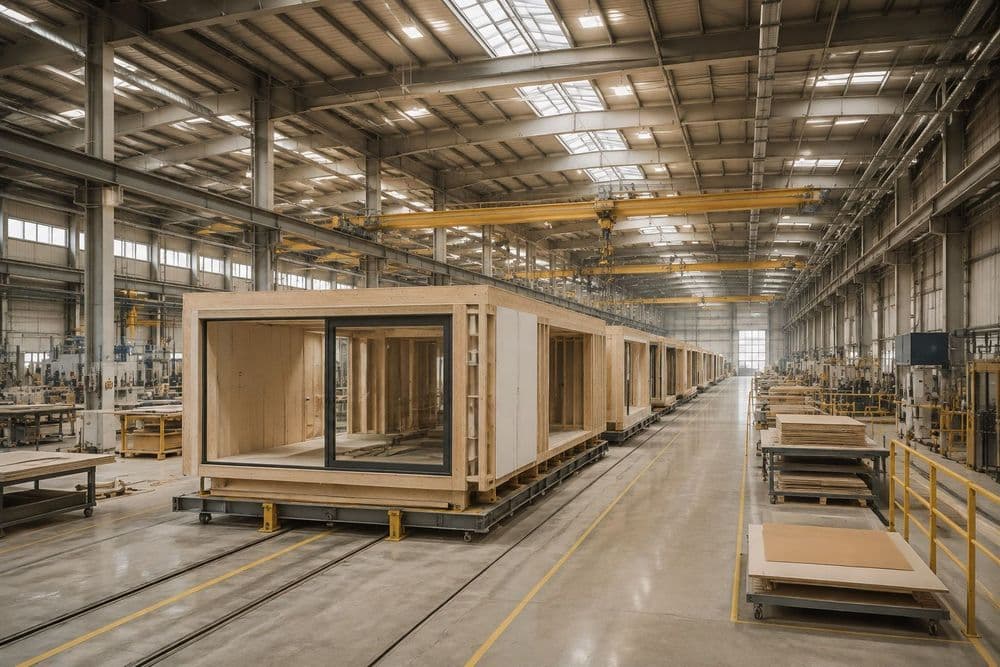
In recent years, the construction industry has taken a significant turn towards efficiency and innovation. A standout player in this transformative era is OLCO construct, which specializes in prefabrication. This approach not only enhances the building process but also contributes to significant savings in design and production costs, especially for multi-unit developments.
1. The Proliferation of Prefabrication Technologies and Profit Optimization in Multi-Unit Developments
The shift towards prefabrication in construction is not merely a trend; it represents a fundamental change in how multi-unit developments are approached. Prefabrication allows developers to modularize construction elements, streamlining projects and facilitating faster completion times while also addressing sustainability.
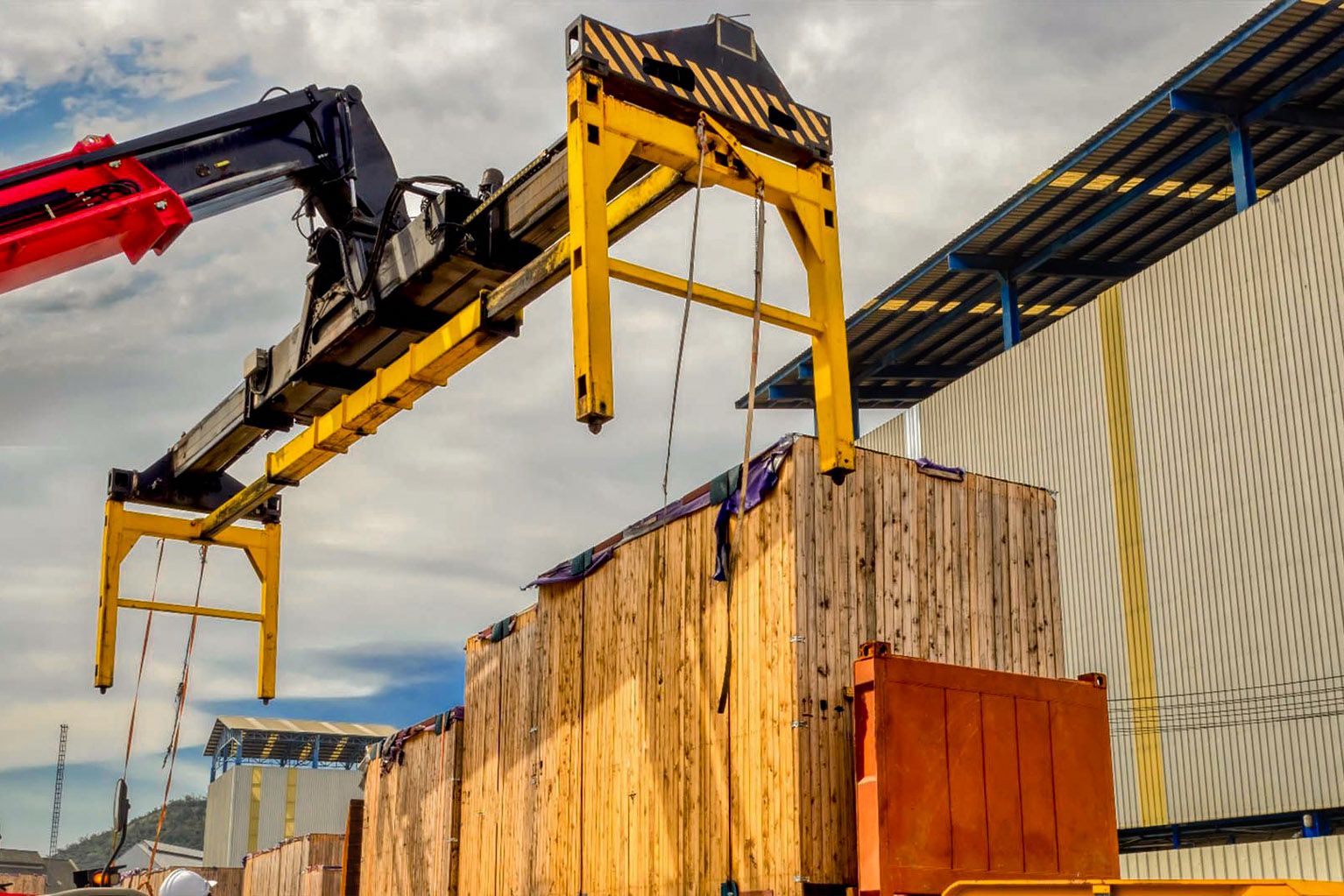
Modern prefabrication technologies can significantly boost profit margins by minimizing on-site construction time. For developers, this means fewer labor costs, reduced risk of material wastage, and a more predictable schedule. By adopting the latest methods from OLCO construction, such as modular building systems, developers can harness efficiency without compromising quality. As multi-unit developments become more prevalent, the construction industry must innovate continually to meet the increasing demand. This phenomenon ensures that developers can maximize profitability while maintaining high standards. With companies like OLCO, the evolution of construction leads to greater reliability and business opportunities, ensuring all stakeholders derive more value from their investments.
1.1 The Importance of Prefabrication in Multi-Unit Developments
Prefabrication is invaluable in projects that require rapid construction and scalability. Multi-unit developments need uniformity, and adapting prefabrication ensures a standard quality that can efficiently address the challenges posed by the construction market.
Projects that rely on prefabrication often meet tight deadlines because the components are manufactured off-site while foundation work is ongoing. This parallel approach leads to swift progress, increasing turnover and paving the way for developers to engage more projects simultaneously. Most importantly, prefabrication brings an element of sustainability to the table. By embracing standardization in construction, companies can drastically reduce waste, leading to a more eco-friendly construction process that aligns with increasing regulations around sustainability in many regions.
1.2 Addressing Market Demands with Innovative Solutions
The market demand for affordable housing and efficient living spaces has never been higher. By leveraging prefabrication and engaging firms like OLCO, developers can strategically position them more favorably in their respective markets. Moreover, in multi-unit developments where space and resources are constrained, prefabricated components can offer flexibility in solving design issues often encountered in traditional construction. The composition and installation of OLCO construction materials allow for customization without straying from the efficiency associated with prefabrication. To engage with the evolving market, developers must embrace innovation while also maintaining core traditional values of reliability and quality throughout each project. This commitment will lead to sustainable development that is essential in today's ever-changing urban environment.
2. Systematic Methodologies for Reducing Design Costs via Standardized Prefabricated Catalogs
Standardizing designs through prefabricated catalogs eliminates many complexities associated with construction. By utilizing reliable catalogs offered by OLCO, developers can significantly cut down design costs. The shift from bespoke designs to meticulously curated prefabricated solutions has begun revolutionizing the construction industry. To request our latest prefabrication catalog and streamline your next build, please Contact our design and procurement team today.
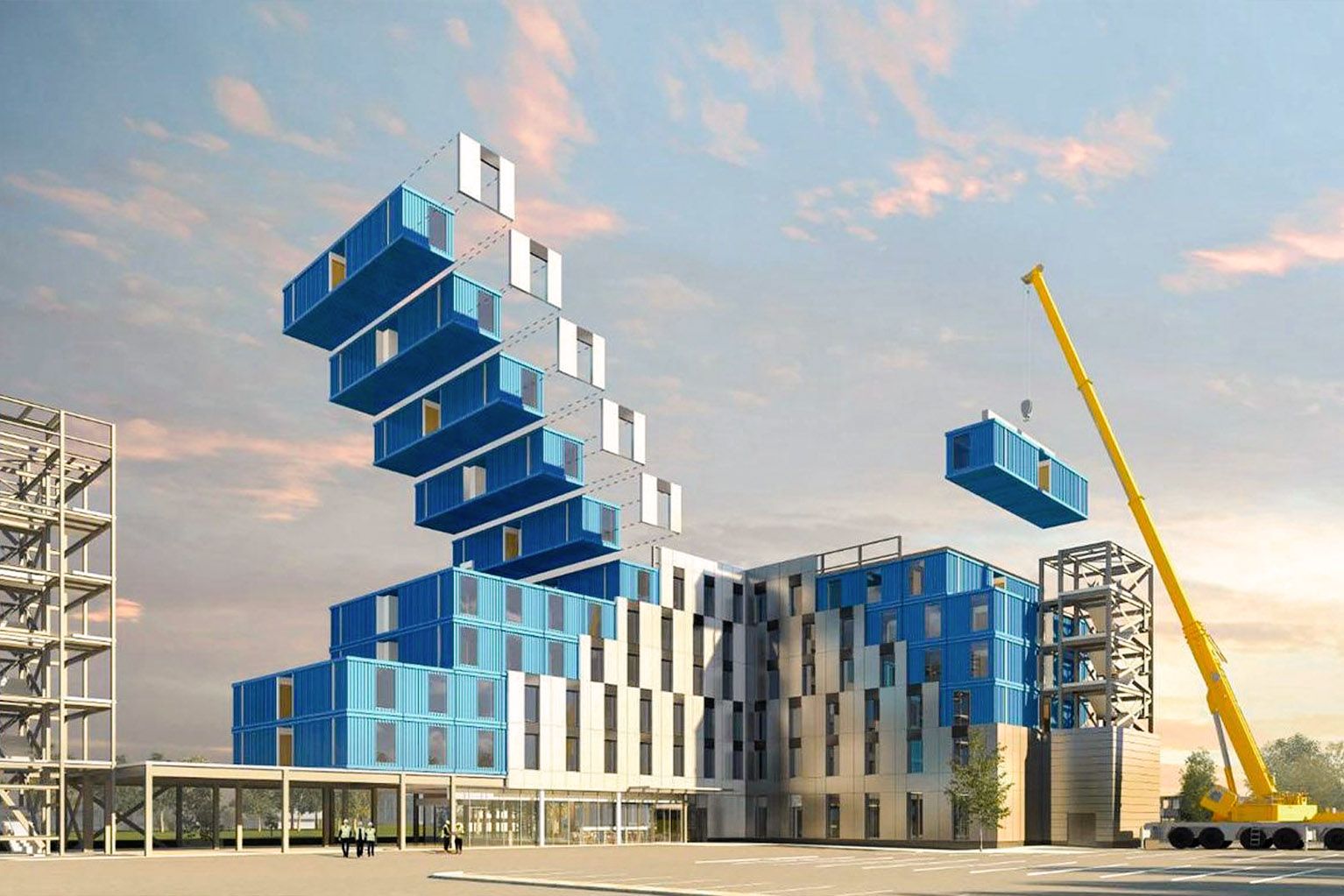
Structuring these catalogs involves a collaborative effort among architects, engineers, and manufacturers to ensure that all components are readily available and compatible. This collaboration vastly streamlines the approval processes and can reduce the overall project time. In an era where speed is of the essence, OLCO factory direct production methodologies underscore the importance of meticulous planning and execution. When a developer leans on systematic methodologies, they gain access to a plethora of resources that simplifies moving through various stages of construction while also conserving budgetary constraints. Let’s further explore the systematic methodologies that bolster this efficiency.
2.1 Refining Technical Documentation
Precision in technical documentation is instrumental for the successful implementation of prefabricated designs. With OLCO construct at the helm, the integration of comprehensive documentation can streamline the design-to-manufacturing process significantly. From blueprints to structural specifications, refined technical documents allow various stakeholders to understand how prefabricated elements fit into the overall project. Improved documentation signifies fewer errors and misinterpretations, which can delay construction timelines or lead to costly reworks. Furthermore, a refined approach extends to all elements of construction, ensuring they align with local building regulations and code. Having a clear technical guide serves not only as a reference but as a cornerstone for coherent collaboration among parties involved.
Having a clear technical guide serves not only as a reference but as a cornerstone for coherent collaboration among parties involved, particularly when fabricating critical structural steel assemblies.
2.2 Framework Sourcing
Framework sourcing represents another facet of reducing design costs effectively. By collaborating with OLCO construction, developers can pre-select standardized frameworks that have proven reliable over numerous projects, fostering trust in their assigned tasks.
Reliable framework sourcing enhances operational processes while ensuring the foundation remains robust. Developers can engage OLCO building materials and work with supply chains that promise consistent delivery and quality. Additionally, standardized frameworks allow for scalability and repetition, meaning developers can utilize the same designs across multiple projects. This capability enhances predictability in project delivery and supports cost-saving measures that extend beyond simple material savings but into labor and operational efficiency.
3. Performance Matrix: Factory-Engineered Prefabricated Modules vs. On-Site Traditional Construction
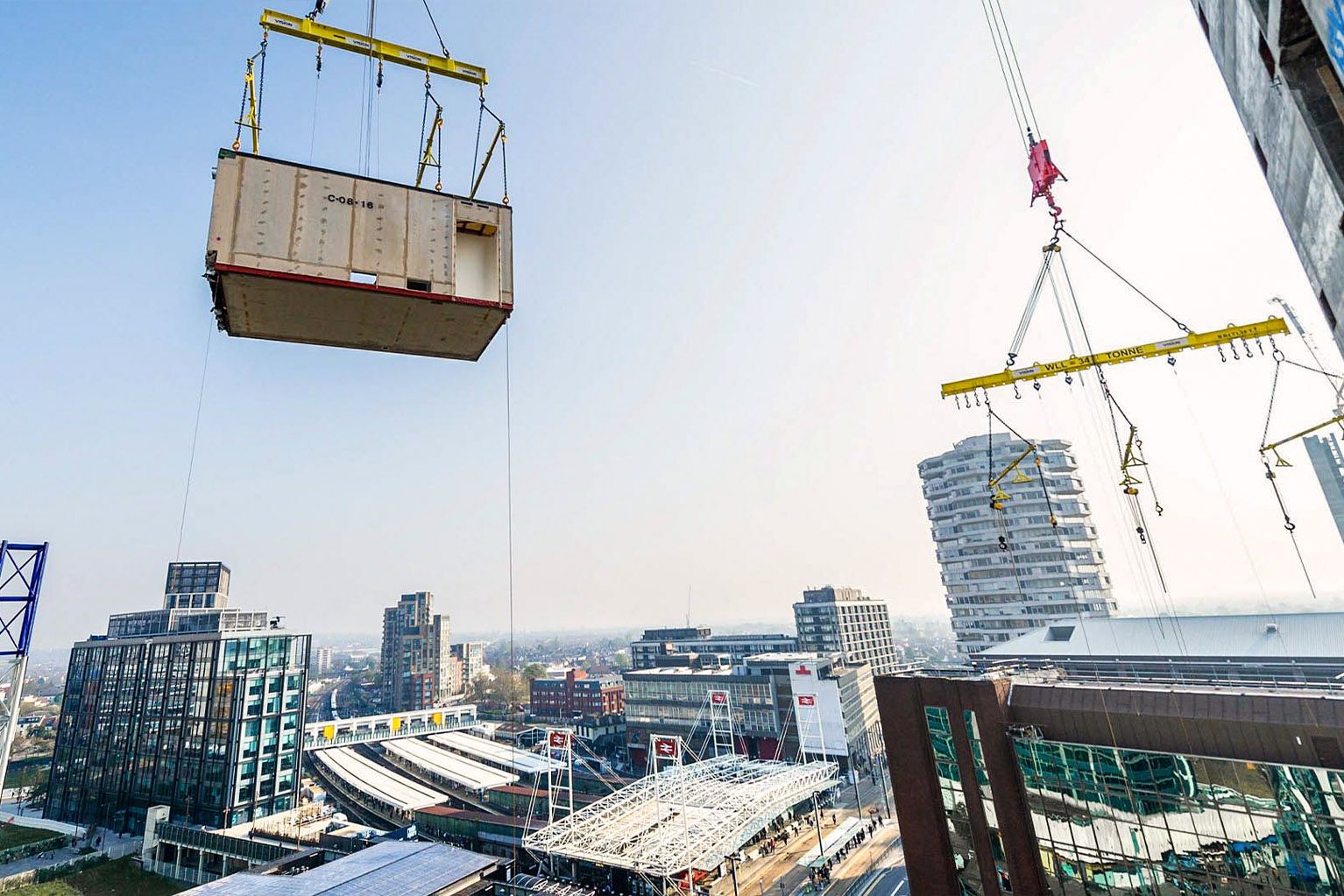
With the increasing adoption of prefabrication, it's critical to visualize and assess how these factory-engineered modules compare with conventional on-site methods. By evaluating metrics such as off-site fabrication cycles, material wastage ratios, on-site assembly man-hours, and layout completion speed, the advantages become clear. To contextualize this comparison, we assess different construction approaches, highlighting the transformative impact of prefabricated components on multi-unit developments. OLCO building materials provides a quintessential example of the superior performance of prefabricated modules over traditional methods, yielding various benefits.
Section | Key Focus | Traditional Construction | OLCO Prefabrication Advantage | Project Benefit |
| Off-site Fabrication Cycles | Production process and fabrication environment | Construction schedules are vulnerable to weather conditions, labor shortages, and on-site disruptions, which can delay project timelines. | Factory-engineered modules are manufactured in a controlled environment with optimized workflows and minimal external disruptions. | Improves production consistency, shortens lead times, and increases the reliability of project delivery. |
| Material Wastage Ratios (%) | Material utilization and waste management | On-site cutting, handling, and storage often generate excess material waste and inefficient resource utilization. | Factory integration enables precise material preparation, standardized manufacturing, and reduced material waste through controlled production processes. | Lowers material costs, improves resource efficiency, and supports environmentally sustainable construction practices. |
| On-site Assembly Man-hours and Layout Completion Speed | Installation efficiency and project completion | Requires more on-site labor, longer installation periods, and greater potential for construction errors and rework. | Factory-engineered modules arrive ready for installation, requiring fewer on-site man-hours while OLCO quality control minimizes assembly errors. | Accelerates layout completion, reduces labor requirements, and enables earlier project occupancy and revenue generation. |
4. Maximizing Production Cost Savings via Factory-Direct Sourcing Models
In the realm of construction, controlling costs directly impacts the potential for profit and operational integrity. As regional and global markets fluctuate, the manner in which construction materials are sourced can vastly alter project feasibility.
By adapting a factory-direct sourcing model, such as those implemented by OLCO, developers can perceive tangible savings. This approach not only provides better financial oversight but also enables flexibility within procurement strategies that can adjust to new market demands or project specifications. To learn more about unlocking long-term value across all construction phases, explore our strategies on Project Cost Optimization.
4.1 Capitalizing on Economies of Scale
One of the most powerful aspects of factory-direct sourcing is the ability to leverage economies of scale. When working directly with manufacturers like OLCO, developers gain access to bulk purchasing options, leading to lower per-unit costs and significant savings.
Scaling operations allows developers to enhance profitability across projects, ensuring that the financial framework aligns efficiently with projected revenues. Additionally, operating at scale often aligns with best practices in production and quality assurance, ensuring that consistency is maintained throughout all developments.
4.2 Direct-to-Site Logistical Alignment
The construction process is inherently logistical, and managing the movement of materials and modules on-site has a significant impact on overall efficiency. By implementing a direct-to-site model, OLCO helps streamline this process, reducing delays and ensuring that projects maintain momentum. Logistical alignment means that components arrive as needed, promoting swift assembly and reducing the occurrence of bottlenecks. Efficient working relationships with transportation partners also come into play, positively influencing timelines and enhancing the construction schedule. In sum, the combination of economies of scale and direct sourcing creates a holistic strategy that allows developers to maximize production cost savings without foregoing quality or reliability.
5. How Rigorous Quality Control Safeguards Automated Prefabricated Components
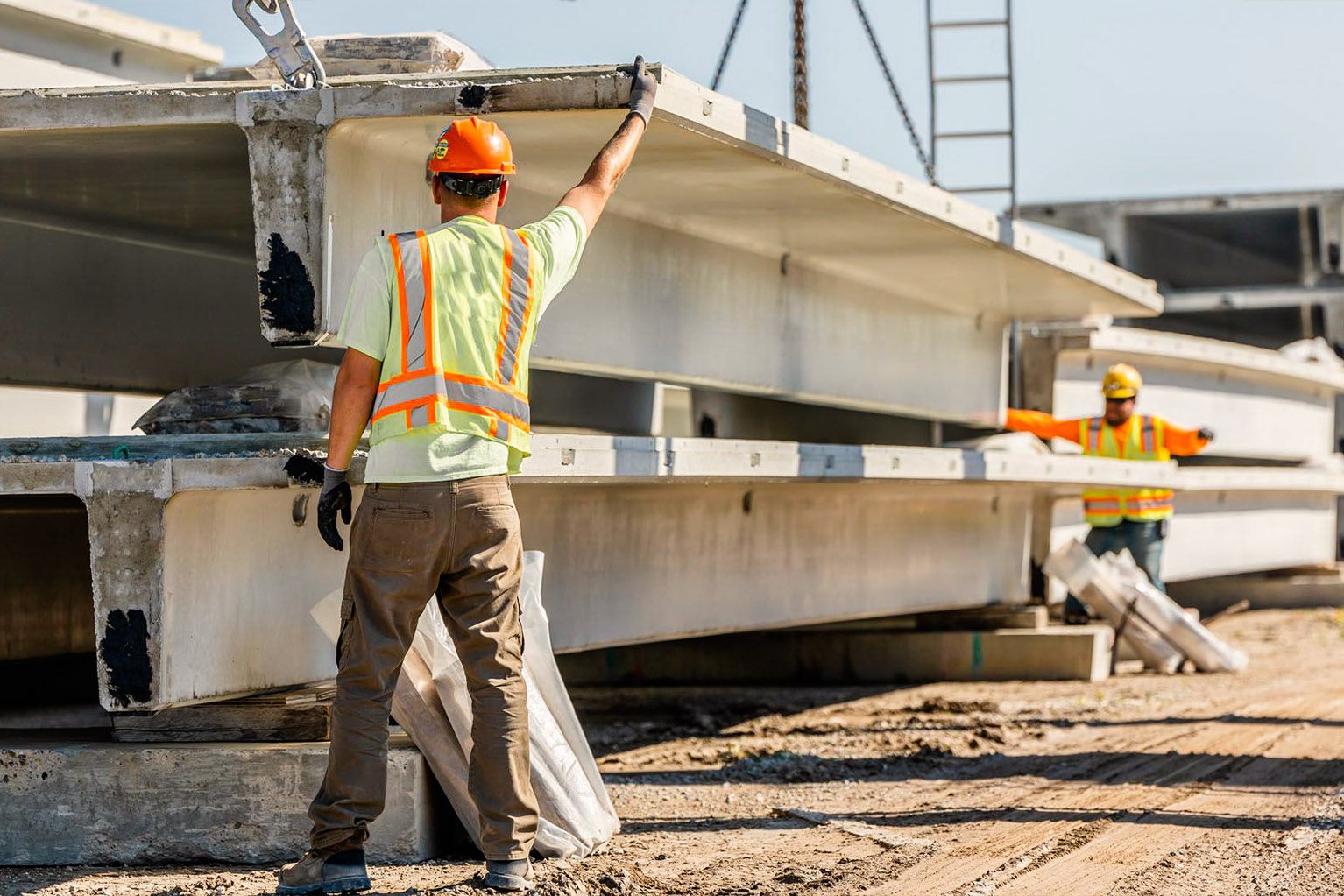
Quality control is a critical component that determines the long-term success of construction projects. For prefabricated components, rigorous quality control measures are essential in maintaining structural integrity and reducing rework rates. With companies like OLCO, stringent quality assurance practices safeguard the production process for prefabricated modules, thereby ensuring that developers can rely on consistent and dependable performance.
5.1 Securing Absolute Uniformity
Uniformity in prefabricated components ensures that all elements function harmoniously. Continuous quality checks foster adherence to specifications and local building codes, thus safeguarding against defects and potential safety issues down the line. In cases where discrepancies arise, the framework established by OLCO quality control ensures that any issues can be efficiently addressed, maintaining operational standards without extended delays. This systematic approach to uniformity yields a smoother construction process that developers can depend on.
5.2 Compliance Materials
Utilizing prefabricated components also means adhering to safety guidelines and regulatory requirements. OLCO construction materials adhere to compliance standards, ensuring that every aspect of production meets or exceeds expectations. Developers can rest assured that components produced under stringent quality guidelines won't just fulfill regulatory requirements but will also contribute to the resilience and durability of completed structures. Building with compliance-oriented materials means that project assurances can be bolstered during inspections and evaluations.
With this rigorous focus on quality control combined with precise materials sourcing, multi-unit developments can achieve outstanding results without sacrificing either quality or safety.
>> See more: Smart Logistics: How Bundling Mixed Materials Into Single Shipments Saves Container Fees
6. Frequently Asked Questions Regarding Modular Prefabrication Sourcing Frameworks (FAQ)
As the construction industry evolves, so too do concerns and questions regarding prefabrication and sourcing. Addressing these concerns is vital for developers looking to navigate the complexities of multi-unit developments and the benefits of utilizing companies like OLCO.
Does deploying prefabricated parts within structural standardization in construction limit the architectural appeal of modern multi unit developments?
While it may seem that standardization equals a lack of creativity, the opposite is often true when prefabrication is involved. Utilizing OLCO building materials within strict frameworks actually enhances design possibilities, allowing architects to focus on creating engaging spaces while relying on dependable structures. Standardization does not stifle creativity; instead, it opens avenues for innovation within predefined limits. This development approach encourages collaborations that yield unique results, demonstrating that modern multi-unit developments can embody both standardized processes and architectural flair.
Can developers ordering structural parts via OLCO factory direct rely on continuous supply chain pacing for high-volume rollouts?
Yes, the benefit of engaging with OLCO factory direct is the ability to adopt a systematic supply chain that promotes pacing for high-volume rollouts. With established operational procedures and logistics in place, developers can anticipate material availability and quantity, ensuring their projects remain on track and within budget. Moreover, OLCO partnerships and relationships with suppliers facilitate seamless delivery, further ensuring developers can rely on consistent pacing without falling prey to supply chain disruptions.
Why does outfitting projects with systemized OLCO construction materials generate immediate and measurable production cost savings?
Opting for systemized OLCO construction materials leads to measurable production cost savings due to their pre-manufactured design and inherent efficiencies. By providing ready-to-assemble components that minimize on-site labor and waste, these materials significantly streamline the construction process. With accurate sourcing, lower material costs, and reduced labor hours, developers benefit from substantial savings that can be reallocated towards other project initiatives or additional developments. This structured approach not only cultivates profitability but also cultivates more sustainable and efficient building practices.
7. Conclusion: Enhancing Project Yields via Factory-Direct Prefabrication and Precision Sourcing
The construction industry's transition towards prefabrication and systematic approaches is reshaping the landscape, particularly in multi-unit developments. Through strategic utilization of resources like OLCO construct, developers can significantly lower design and production costs, harnessing the advantages of standardization in construreducing design costsction. As a result, the industry witnesses improved specifications in quality control, reduced wastage, minimized labor hours, and accelerated project completion timelines. Consequently, both developers and stakeholders reap the benefits of optimized operational processes and enhanced yields. The future of construction is inevitably geared towards prefabrication, underscoring the importance of embracing innovation in pursuit of greater efficiency and profitability.


 Read more